
Beautiful Plants For Your Interior
Beautiful Plants For Your Interior
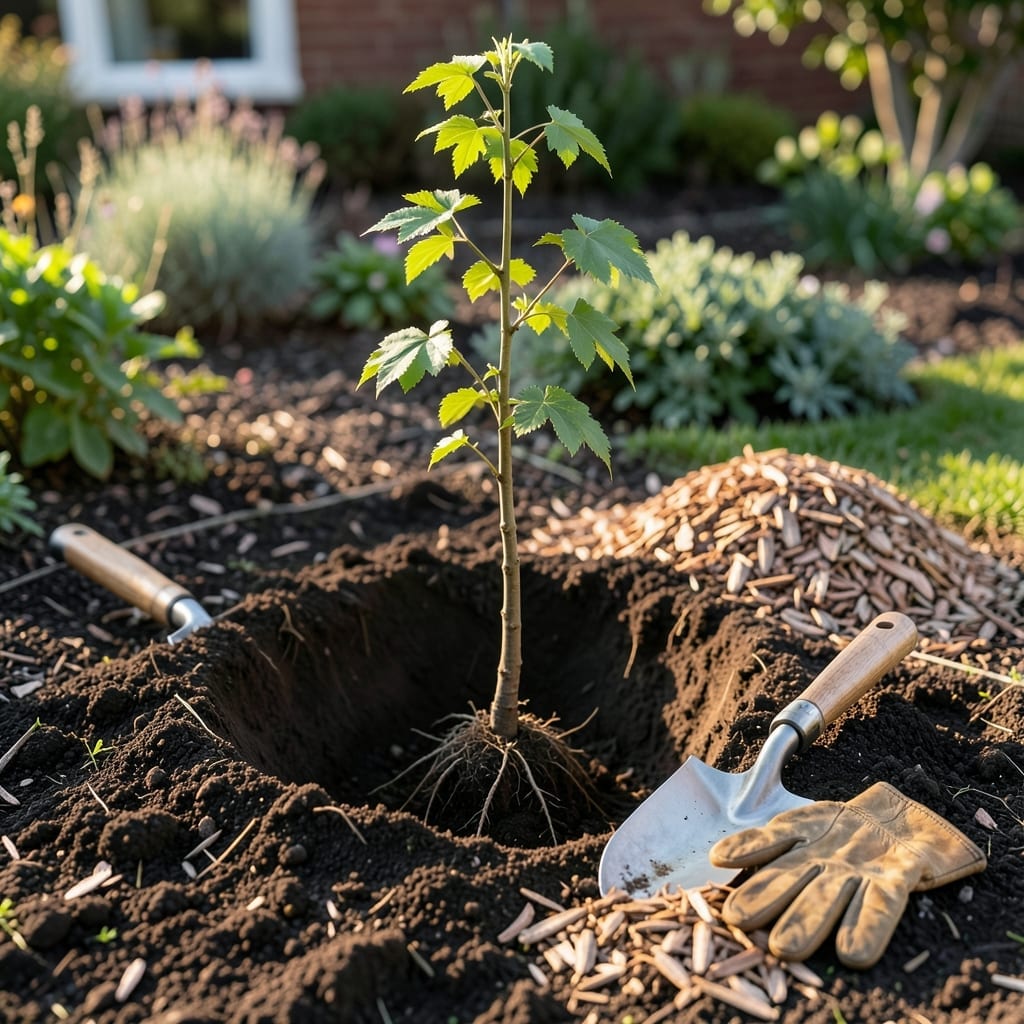
Planting a 🌳 Tree in the fall can give it a strong head start for spring, but timing is critical for root establishment before winter.
In USDA Zone 6, the window from September to November offers ideal conditions for this growth.
I’ve seen how proper timing makes all the difference in survival rates and long-term health. You don’t want to plant too late and risk frost damage.
Learn how to pick the perfect moment and set your Tree up for success this season.
Planting trees in the fall gives them a head start for spring growth, but timing is critical for root establishment. The optimal window is typically 6-8 weeks before the first hard frost.
This allows roots to settle in while soil stays warm, encouraging growth before winter dormancy. I’ve found early fall works best in most climate zones for strong root systems. 🌳
| Climate Zone | Best Planting Months | Soil Temp Requirement |
|---|---|---|
| Cold (Zones 3-5) | Early September | 50-60°F |
| Moderate (Zones 6-7) | Late September – October | 55-65°F |
| Warm (Zones 8-10) | October – November | 60-70°F |
The soil temperature is more important than air temperature. Roots grow best when soil is above 50°F, which is why early fall planting often outperforms late fall efforts.
In my experience, deciduous trees like maples and oaks thrive when planted in early fall. Their dormant period aligns perfectly with root establishment needs.
Avoid planting too close to the first frost. Trees need time to anchor their roots before winter. I recommend checking your local frost dates and counting backward.
For evergreen trees, the window is slightly shorter. They need extra time to establish before cold weather arrives. Aim for late summer to early fall in colder zones.
Soil preparation is key. I always test soil pH and amend with organic matter before planting. This gives young trees the best start possible.
Watering deeply after planting helps settle the soil and eliminate air pockets. I suggest 1-2 inches of water per week for the first month, tapering off as winter approaches.
Remember, mulching helps retain moisture and insulate roots. Apply a 2-3 inch layer around the base, but keep it away from the trunk to prevent rot.
By following these timing guidelines, you’ll give your trees the best chance to thrive. Proper fall planting leads to stronger spring growth and healthier mature trees. 🌿
I’ve found that deciduous trees like maples and oaks establish roots beautifully in fall’s cool, moist soil. Their dormant season alignment with planting reduces stress and boosts survival rates.
Fruit trees such as apple or pear also excel when planted in fall. The cooler temperatures help them focus energy on root growth rather than foliage.
| Tree Type | Best For Fall Planting | Notes |
|---|---|---|
| Maple | Yes | Fast root establishment |
| Oak | Yes | Deep root system |
| Apple | Yes | Needs well-drained soil |
| Pine | No | Prefers spring planting |
I avoid planting evergreens like pines or spruces in fall. They need warm soil for root growth and often struggle with winter stress if planted late.
For warmer climates, crape myrtles and magnolias can thrive with fall planting. Their heat tolerance pairs well with mild winters and early root development.
Always check your USDA zone and local frost dates. In Zone 6, I aim to plant 4-6 weeks before the first frost for best results. This gives roots time to settle before winter.
Remember, container-grown trees adapt better to fall planting than bare-root stock. Their intact root balls reduce transplant shock and speed up establishment. 🌳