
Beautiful Plants For Your Interior
Beautiful Plants For Your Interior
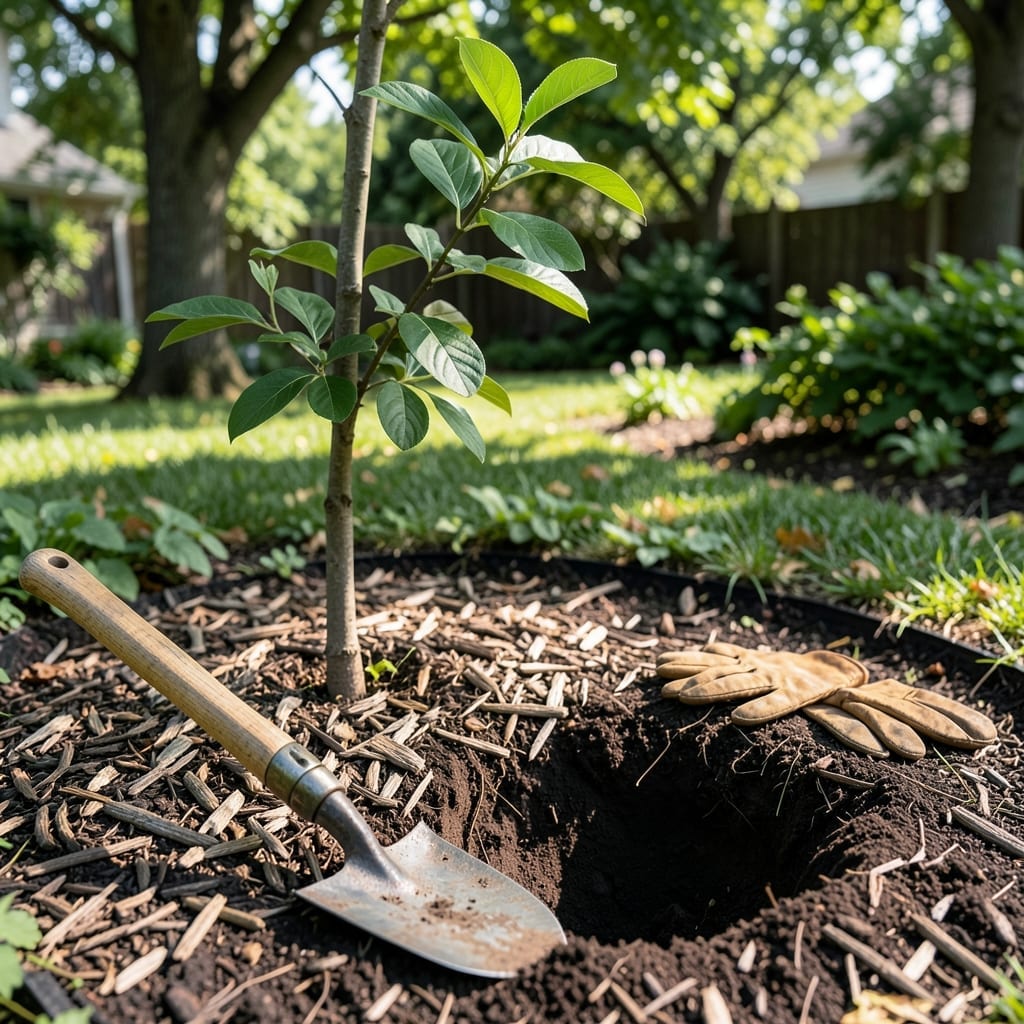
Planting trees at the right time in Oregon can mean the difference between thriving foliage and a struggling 🌳 sapling. Our state’s diverse climates demand careful timing to ensure success.
From the wet Willamette Valley to the arid high desert, each region has its own best window for planting. I’ve seen firsthand how proper timing transforms survival rates.
Whether you’re in 7b-9a zones, the dormant season offers ideal conditions for root establishment. This guide will help you navigate Oregon’s unique challenges.
Let’s explore how to match planting times with your local microclimate. Your future forest starts with this crucial first step.
Oregon’s diverse climates create unique planting windows for trees. In Western Oregon, the mild, wet winters and moderate summers of the Willamette Valley allow for fall planting from October to December. This gives roots time to establish before spring growth. 🌳
For Eastern Oregon, where winters are colder and drier, early spring planting from March to April is often best. This avoids the harsh winter freeze and takes advantage of spring rains to help roots settle. The USDA zones here range from 6a to 7a. 🌱
| Region | USDA Zone | Best Planting Time | Key Consideration |
|---|---|---|---|
| Willamette Valley | 8a-9a | October-December | Avoid waterlogged winter soil |
| Coastal Oregon | 8b-9a | September-March | Mild winters allow extended window |
| High Desert | 6a-7a | March-April | Plant before summer heat |
| Cascade Mountains | 7a-8a | April-May | Wait for soil to thaw |
In coastal areas, the planting window is even broader, from September to March. The mild winters and consistent moisture create ideal conditions for root establishment without the stress of extreme temperatures. ☀️
Fall planting in Western Oregon offers several advantages. Cooler temperatures reduce transpiration stress, and autumn rains provide natural irrigation. This gives trees a head start before the spring growing season begins.
However, spring planting is often preferable in Eastern Oregon. The cold winters can damage young trees, and the dry summers require more frequent watering. Planting in early spring allows trees to establish roots before the hot, dry months. 💧
For the Cascade Mountains, where elevations bring colder temperatures, late spring planting from April to May is ideal. This ensures the soil has warmed and thawed, providing a better environment for root growth.
Always check the last frost date for your specific area. In most of Oregon, the last frost occurs around April 15, but this can vary. Planting 2-3 weeks before this date gives trees time to acclimate.
Remember, soil condition is just as important as timing. The soil should be workable but not waterlogged. If the soil is too wet, wait for it to drain slightly before planting. This prevents root rot and ensures proper aeration. 🌿
By aligning your planting schedule with Oregon’s climate zones and seasonal patterns, you’ll give your trees the best chance to thrive. Whether you’re in the Willamette Valley, the high desert, or the coast, timing is everything.
Selecting the perfect tree species for Oregon’s varied climates is just as important as timing. I’ve learned that native species like Douglas fir thrive in our 7b-9a zones with minimal fuss. They’re adapted to local conditions and resist pests better.
For drought-prone areas like Eastern Oregon, consider ponderosa pine or juniper. These evergreens handle dry soil and hot summers gracefully. In wetter regions, red alder or bigleaf maple excel.
Deciduous trees like Oregon white oak offer stunning fall colors but need well-drained soil. Plant them in early fall to allow root establishment before winter. Evergreens, however, prefer spring planting in colder zones.
Don’t overlook soil adaptation. Test your soil’s pH and drainage first. Most Oregon natives prefer slightly acidic to neutral soil. Amend heavy clay with compost for better results.
For urban landscapes, smaller varieties like vine maple or dogwood fit well. They require less space and adapt to container planting if needed. Always check mature size before planting.
Remember, the right tree in the right place at the right time ensures long-term success. Match your choice to your microclimate and soil conditions for the best outcomes 🌳