
Beautiful Plants For Your Interior
Beautiful Plants For Your Interior
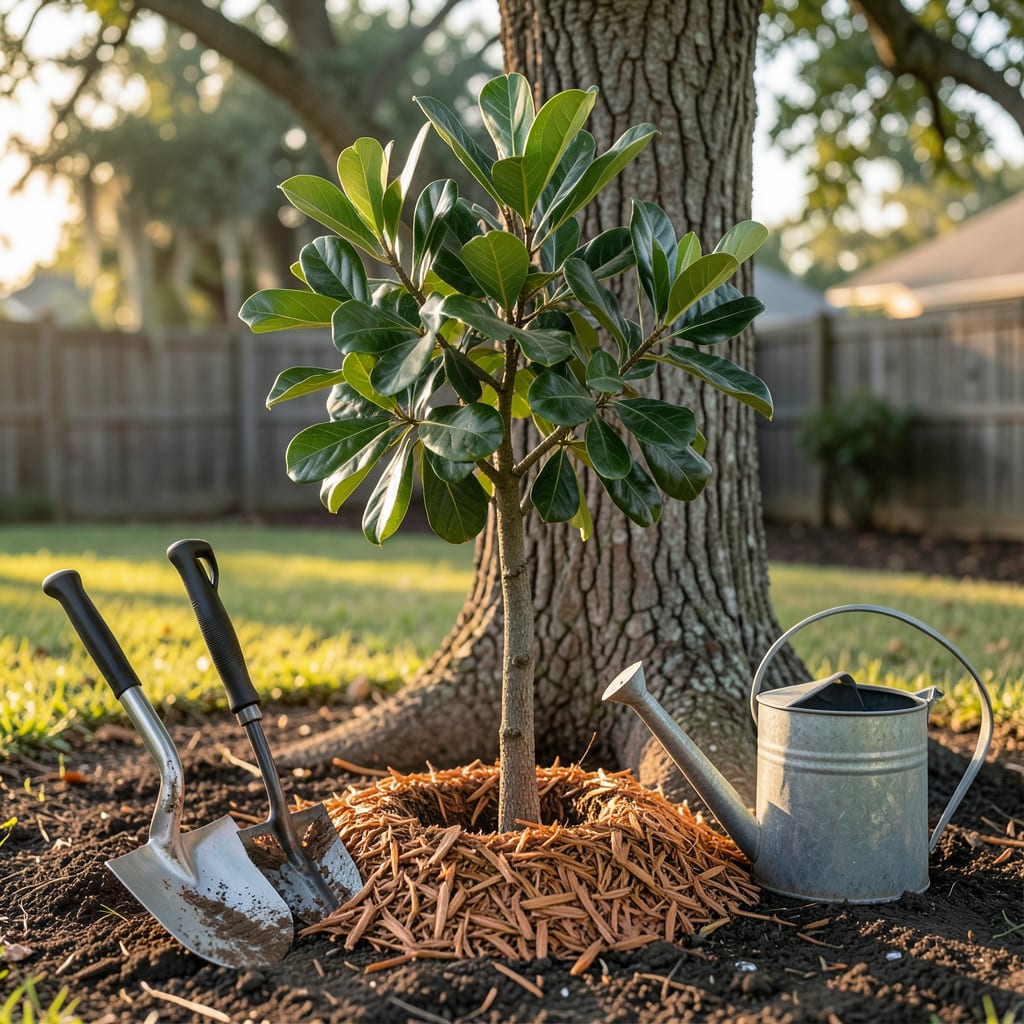
Timing isn’t just important when planting trees in North Texas—it’s everything. Plant too late, and your sapling battles scorching summers before roots can establish. Plant too early, and unexpected frost might stunt its growth.
After years of testing what works in our USDA Zone 8a clay soil, I’ve nailed down the two perfect windows to set your 🌳 up for success. Whether you’re planting a drought-resistant Live Oak or a vibrant Redbud, I’ll show you exactly when—and how—to do it right.
If you’ve ever wondered why some trees thrive in North Texas while others struggle, the secret often lies in when they’re planted. Our region’s USDA zones 7b–8a bring unique challenges—blistering summers, clay-heavy soil, and unpredictable frost dates. Timing your planting right can mean the difference between a tree that flourishes and one that barely survives.
I’ve found that North Texas offers two prime planting windows: fall (November–February) and early spring (March–April). But not all seasons are created equal. Fall is the gold standard for most trees, thanks to cooler temperatures and natural rainfall that help roots establish before summer heat hits. Let’s break down why.
| Season | Best Months | Soil Temperature | Moisture Levels | Root Growth | Heat Stress Risk |
|---|---|---|---|---|---|
| Fall | Nov–Feb | 50–65°F (ideal) | High (natural rainfall) | Rapid (before dormancy) | Low |
| Early Spring | March–April | 55–70°F (rising) | Moderate (supplemental water needed) | Moderate (competes with top growth) | Moderate (late spring heat) |
🌳 Pro Tip: Avoid planting in summer (May–September)—extreme heat stresses trees and increases water demands by 300%.
Fall planting gives trees a head start on root development. With soil temperatures above 50°F, roots grow actively even after leaves drop. By spring, these trees are better equipped to handle our 100°F+ summers. I’ve seen Live Oaks and Cedar Elms planted in November establish twice as fast as those planted in spring.
Early spring is your second-best option, but it comes with caveats. The window is short—aim for March to early April before temperatures climb. Spring-planted trees need consistent watering (10–15 gallons weekly) to compete with new foliage growth. If you miss this window, wait until fall to avoid transplant shock.
Why avoid summer? North Texas clay soil bakes hard in heat, making it tough for roots to penetrate. Even drought-tolerant species like Mexican Sycamore struggle when planted in June–August. If you must plant in summer, choose container-grown trees and water daily for the first month.
For bare-root trees, fall is non-negotiable. These trees lack soil around their roots and need cool, moist conditions to survive. Spring works for container-grown or balled-and-burlapped (B&B) trees, but avoid late spring when temperatures exceed 85°F.
Watch the first frost date (around November 15) and last frost date (March 15). Plant at least 4–6 weeks before extreme cold or heat. Use a soil thermometer to confirm temperatures are between 50–70°F—this is the sweet spot for root growth.
If you’re planting fruit trees like peaches or figs, aim for late winter (February). This timing aligns with their bud break and reduces risk of late frost damage. For evergreens like Juniper or Pine, fall planting ensures they retain moisture through winter.
Still unsure? Check with the Texas A&M AgriLife Extension for hyper-local advice. Their soil testing labs can analyze your site’s pH and texture—critical for North Texas’ alkaline clay. Remember, a tree planted at the right time with proper care can outlive you—and that’s a legacy worth planning for! 🌳
Not all trees are created equal in North Texas. Our USDA Zone 8a climate demands species that can handle drought, clay soil, and temperature swings. After testing dozens of varieties, I’ve narrowed it down to five standout trees that flourish here—if planted at the right time.
Native trees like Live Oak and Cedar Elm are my top picks because they’re drought-tolerant once established. But even the toughest species need proper timing. Below, you’ll find the best planting windows for each, along with their key traits. Use this as your cheat sheet for a low-maintenance, high-impact landscape.
| Tree Type | Best Planting Time | Drought Tolerance | Mature Height | Soil Preference | Key Benefit |
|---|---|---|---|---|---|
| Live Oak 🌳 | Nov–Feb | ⭐⭐⭐⭐⭐ | 40–80 ft | Clay, alkaline | Evergreen, shade king |
| Cedar Elm 🌳 | Oct–March | ⭐⭐⭐⭐ | 50–70 ft | Adaptable | Disease-resistant, fast-growing |
| Texas Redbud 🌷 | Nov–Feb | ⭐⭐⭐ | 15–20 ft | Well-draining | Spring blooms, pollinator magnet |
| Mexican Sycamore 🌳 | March–April | ⭐⭐⭐⭐ | 40–50 ft | Tolerates wet/clay | Fast growth, golden bark |
| Bur Oak 🌳 | Nov–Dec | ⭐⭐⭐⭐⭐ | 60–80 ft | Clay, rocky | Long-lived, wildlife haven |
🌱 Pro Tip: For fruit trees like peaches or figs, plant in late February to avoid late frost damage to blossoms.
The Live Oak is my #1 recommendation for North Texas. Its deep root system makes it drought-proof once established, and it provides year-round shade. Plant it in fall (November–February) to give roots time to anchor before summer. Avoid spring planting—Live Oaks grow slowly and need cool soil to establish.
Cedar Elms are the most adaptable native tree. They tolerate urban pollution, poor soil, and even occasional flooding. Plant them October–March for best results. Their small, dense leaves make them resistant to wind damage—a bonus in our storm-prone region.
For color and pollinators, you can’t beat the Texas Redbud. Its pink spring blooms attract bees and butterflies. Plant in fall for strongest root growth. Note: Redbuds prefer well-draining soil, so amend clay with compost or plant on a slight mound.
The Mexican Sycamore is the fastest-growing shade tree for North Texas. Unlike American Sycamores, it thrives in our heat and alkaline soil. Plant in early spring (March–April) to take advantage of its rapid growth. Just be ready for aggressive roots—keep it 20+ feet from sidewalks or foundations.
Finally, the Bur Oak is a legacy tree
Even with perfect timing, your North Texas tree can fail if you make these critical errors. Our clay soil, alkaline pH, and extreme heat create a minefield for new plantings. After rescuing countless struggling saplings, I’ve identified the top 5 mistakes that sabotage success—and how to fix them.
First, planting too deep is the #1 killer of young trees. In North Texas’ dense clay, roots suffocate if buried more than 1–2 inches below the root flare. Always plant so the root flare (where roots meet trunk) sits slightly above soil level. Use a level tool to check!
⚠️ 5 Critical Mistakes (and Fixes)
🌳 Pro Tip: Use a soil probe to check moisture 6 inches deep—surface dryness lies!
Skipping soil prep is another fatal flaw. Our clay soil drains poorly and lacks organic matter. Before planting, mix 50% native soil with 50% compost. For alkaline soil (pH >7.5), add sulfur or pine fines to balance pH. I’ve seen trees double their growth after this simple step.
Watering mistakes—either too much or too little—are rampant. New trees need deep, slow watering (10–15 gallons) 1–2x weekly for the first year. Use a soaker hose on low for 30–60 minutes to encourage deep roots. In summer, water at dawn to reduce evaporation.
Many gardeners forget mulch, but it’s non-negotiable here. Apply 3–4 inches of wood chips in a 4-foot diameter around the tree (keep 6 inches from the trunk). Mulch regulates soil temperature, retains moisture, and suppresses weeds. Cedar or oak mulch works best in our climate.
Finally, planting non-native trees is a gamble. Species like Bradford Pear or Silver Maple often struggle with our heat, drought, and alkaline soil. Stick to native or adapted trees like Live Oak, Bur Oak, or Mexican Sycamore. They’ll thrive with less water and zero fuss.
Want to test your soil? The Texas A&M AgriLife Extension offers $15 soil tests that reveal pH, nutrient levels, and texture. It’s the best investment you’ll make for your tree’s future. Avoid these mistakes, and you’ll be rewarded with a healthy, resilient tree that stands the test of Texas weather! 🌿
Fall (November–February) gives roots time to establish before summer heat. Cooler temps and natural rainfall reduce stress, while soil stays warm enough for growth. Trees planted in fall often outperform spring-planted ones by 30–50% in their first year.
It’s risky. Even with daily watering, summer’s 100°F+ temps and baked clay soil create extreme stress. If you must, choose container-grown drought-tolerant species like Mexican Sycamore and water 15–20 gallons weekly at dawn.
Test drainage by digging a 12-inch hole and filling it with water. If it drains in under 4 hours, you’re good. For clay soil, mix in 50% compost. A $15 soil test from Texas A&M AgriLife checks pH and nutrients.
Planting too deep! The root flare (where roots meet trunk) should sit 1–2 inches above soil. In clay, buried flares suffocate roots. Use a level to check—this single step prevents 80% of early tree failures.
Yes, but only after establishment. Native trees like Live Oak or Cedar Elm need 10–15 gallons weekly their first year. Once mature (2–3 years), their deep roots tap into moisture, cutting water needs by 50–70%. Water deeply but less often.
