
Beautiful Plants For Your Interior
Beautiful Plants For Your Interior
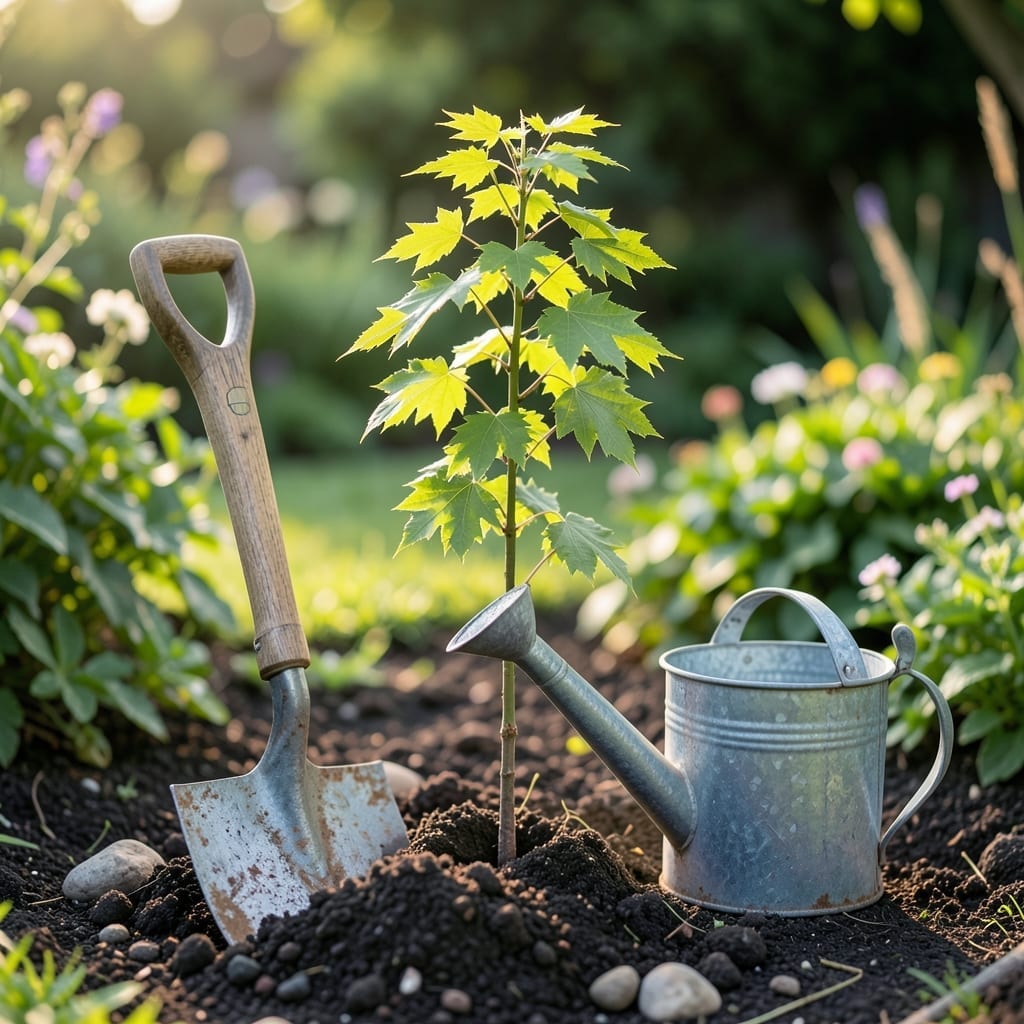
Timing is everything when planting trees in Massachusetts—plant too early or too late, and your saplings may struggle to thrive.
I’ve learned that the 🌳 Tree does best when the soil is workable and not frozen, which happens in April-May or September-October here.
Whether you’re in zone 5b-7a, getting the timing right means stronger roots and healthier growth for years to come.
Discover the exact windows that work for Massachusetts climates and why these seasons give your trees the best start possible.
In Massachusetts, timing your tree planting is crucial for success. The state spans USDA zones 5b-7a, meaning our last frost typically hits between April 15-May 15, while the first frost arrives around October 15-November 1. These dates are your bookends for safe planting.
I always recommend aiming for April-May in spring or September-October in fall. During these windows, the soil is workable but not frozen, and temperatures are mild enough to reduce stress on young trees.
| Season | Ideal Months | Soil Condition | Key Benefit |
|---|---|---|---|
| Spring | April-May | Workable, thawed | Roots establish before summer heat |
| Fall | September-October | Warm, moist | Cooler temps reduce stress |
For spring planting, I start as soon as the ground thaws. This gives roots a full growing season to establish before summer’s heat and potential drought. Maple and oak trees thrive with this timing, as they can focus energy on root development.
In fall, planting between September-October allows trees to grow roots before winter dormancy. The cooler air and warm soil create ideal conditions. I’ve had great success with birch and pine using this approach.
Always check your local frost dates, as they can vary slightly by region. Coastal areas, for example, may have a slightly longer planting window than inland locations due to milder temperatures.
Avoid planting in summer’s peak heat or winter’s freeze. The stress of extreme temperatures can shock young trees, making it harder for them to recover. I’ve seen too many saplings struggle when planted in July or August.
If you’re unsure about your soil’s readiness, do a simple test. Grab a handful of dirt—if it crumbles easily and isn’t soggy or frozen, it’s perfect for planting. This ensures your tree’s roots can spread and access the nutrients they need.
For the best results, water deeply after planting and add a 2-3 inch layer of mulch to retain moisture. This extra care in the first few weeks makes a noticeable difference in how quickly your tree acclimates to its new home.
Remember, native species like sugar maple or eastern white pine are often the hardiest choices for Massachusetts climates. They’re adapted to our weather patterns and typically require less maintenance once established.
With the right timing and care, your trees will grow strong and provide shade and beauty for generations to come 🌳
Choosing between spring and fall planting in Massachusetts depends on your goals and tree type. I’ve found both seasons have distinct advantages for establishing healthy trees in our zones 5b-7a climate.
Spring planting allows trees to grow roots during the entire growing season, which is ideal for species like oak and maple that benefit from warm soil and consistent rainfall.
Fall planting often results in stronger root systems because the cooler air and warm soil combo encourages root growth without the stress of summer heat. I particularly recommend this for evergreens like pine and spruce.
However, spring planting gives your tree the entire warm season to establish. This is crucial for fruit trees like apple or pear, which need maximum growing time to produce well.
For drought-sensitive species, spring planting may be better as you can monitor water needs more closely. But remember, fall-planted trees need consistent watering until the ground freezes.
In my experience, the best approach is to match the season to your tree’s needs. When in doubt, native species adapt well to either planting window in Massachusetts 🌳