
Beautiful Plants For Your Interior
Beautiful Plants For Your Interior
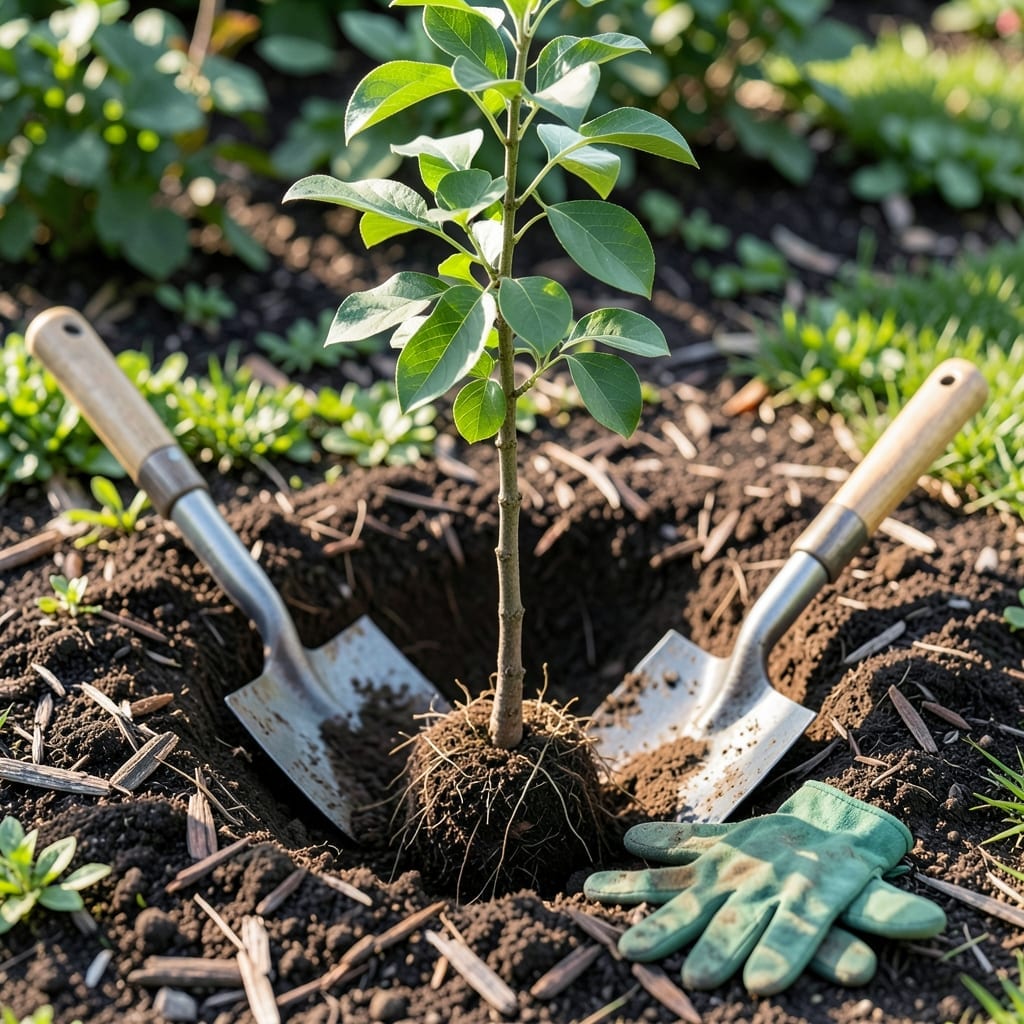
Timing is everything when planting 🌳 trees in Kentucky—plant too early or too late, and you risk stunted growth, disease, or even tree loss.
Discover the ideal seasons and conditions for giving your trees the strongest start in the Bluegrass State. I’ve seen firsthand how proper timing makes all the difference.
Whether you’re planting maples, oaks, or dogwoods, understanding Kentucky’s unique climate is the key to success. Our USDA zones 6b-7a create specific windows of opportunity.
Learn how to align your planting with nature’s rhythm for healthy, thriving trees that will stand tall for generations.
In Kentucky, timing your tree planting with the USDA zones 6a-7a climate is key. I’ve found that fall planting from October to November often yields the best results, thanks to cooler temps and consistent moisture. This window allows roots to establish before winter dormancy kicks in. 🌳
The spring window from March to April is also ideal, as soil temperatures rise and frost risks diminish. However, avoid planting in summer heat or deep winter freezes, as both stress young trees and reduce survival rates.
| Season | Best Months | Soil Temp | Key Benefit |
|---|---|---|---|
| Fall | October-November | 50-60°F | Root establishment |
| Spring | March-April | 45-55°F | Early growth start |
| Winter | December-February | 35-45°F | Dormant planting |
Kentucky’s moderate climate makes fall planting my top recommendation. The cooler air reduces stress on new trees, while warm soil encourages root growth before winter. This timing also minimizes watering needs, as autumn rains often provide sufficient moisture. 🌿
For spring planting, I always check the last frost date—typically April 15 in most of Kentucky. Planting 4-6 weeks before this date gives trees time to establish before summer heat arrives. Just be prepared to water more frequently as temperatures rise.
If you’re planting bare-root trees, late winter—February to early March—is perfect. These trees need to be in the ground while still dormant. For container-grown trees, you have more flexibility, but I still recommend avoiding extreme temperatures.
Remember that soil condition matters as much as timing. In Kentucky, our clay-heavy soils can be challenging, so I always amend planting holes with organic matter. This improves drainage and gives new roots a better environment to spread. 🪴
Watering is critical during the first year, regardless of planting season. I recommend deep watering once a week unless rainfall provides at least 1 inch of water. Mulching with 2-3 inches of organic material helps retain moisture and regulate soil temperature.
For best results, I also consider the tree species. Oak and hickory trees, for example, do exceptionally well with fall planting in Kentucky. Meanwhile, maples and dogwoods often prefer spring planting to avoid winter damage to their more sensitive roots.
Finally, always check your local weather forecast before planting. A surprise late frost or early heatwave can set back even the most carefully timed planting. When in doubt, I wait for a stretch of mild, stable weather to give my trees the best possible start. 🌱
Kentucky’s diverse climate supports both native trees like maples and oaks, as well as non-native varieties such as tulip poplars. Each has unique planting windows to thrive.
For native species, I recommend fall planting—specifically October to November—to allow root establishment before winter dormancy. Spring planting works too, but early March is ideal to avoid late frosts.
| Tree Type | Best Planting Time | Key Notes |
|---|---|---|
| Maple (Native) | Oct-Nov or Mar-Apr | Avoid summer heat |
| Oak (Native) | Sept-Oct or Feb-March | Needs well-drained soil |
| Dogwood (Native) | Fall only | Shade-tolerant once established |
| Tulip Poplar (Non-Native) | Early spring | Fast grower, full sun required |
Non-native trees like tulip poplars often prefer early spring planting to avoid transplant shock from summer heat. I’ve seen better survival rates when planted 4-6 weeks before the last frost.
For dogwoods, stick to fall planting—they’re sensitive to drought stress in summer. Oaks and maples are more flexible but still benefit from cooler temperatures.
Always check soil moisture and avoid waterlogged areas. Kentucky’s clay soil can be tricky, so amend with compost for better drainage. Mulching helps retain moisture and regulate temperature.
If you’re unsure, I suggest consulting local nurseries—they know Kentucky’s microclimates best. Proper timing and site prep make all the difference for long-term tree health 🌳