
Beautiful Plants For Your Interior
Beautiful Plants For Your Interior
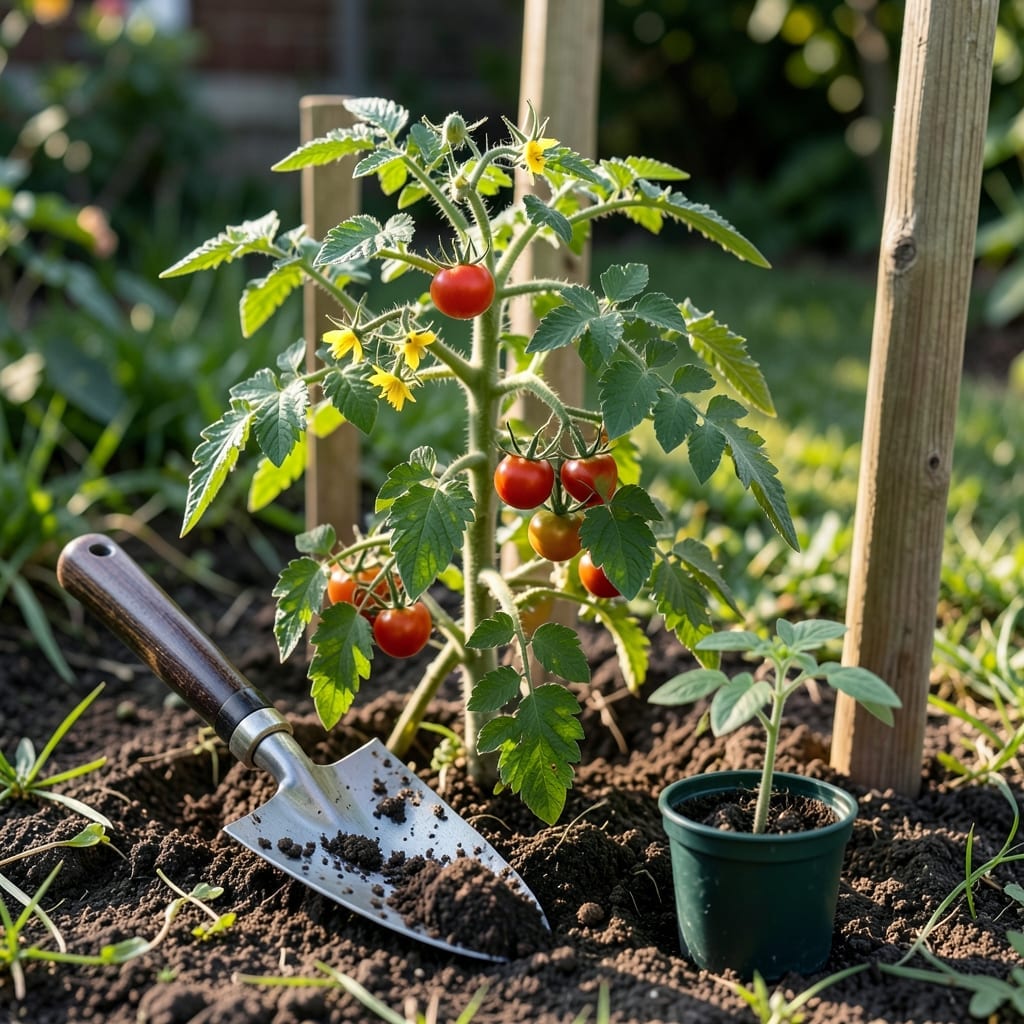
Timing is everything when growing Tomato 🍅 in Western NC’s unique climate. Plant too early and frost can wipe out your crop; plant too late and you’ll miss the peak harvest window.
Our region’s 7a-7b zone means you’ve got a narrow but productive window to get it right. The difference between a thriving garden and a disappointing one often comes down to just a few weeks.
I’ve seen gardeners struggle with timing year after year, but the solution is simpler than you think. With the right approach, you can maximize your harvest from July through October.
Discover the exact planting strategy that works for Western NC’s climate and elevation. Let’s make this your most productive Tomato season yet.
Timing your tomato planting in Western NC is all about working with the region’s unique climate. The Spring window typically runs from mid-April to early May, after the last frost date passes and soil temps hit 60°F.
For a Fall harvest, aim to plant 6-8 weeks before the first frost, usually late July to early August. This ensures your plants mature before cold weather sets in.
| Planting Window | Key Dates | Soil Temp | Notes |
|---|---|---|---|
| Spring | Mid-April to early May | 60°F+ | After last frost |
| Fall | Late July to early August | 60°F+ | 6-8 weeks before first frost |
| Last Frost | April 15 (avg.) | — | Varies by elevation |
| First Frost | October 15 (avg.) | — | Higher elevations earlier |
In Asheville and lower elevations, you can push the Spring planting a bit earlier, but always check your local frost dates. Higher areas like Boone may need to wait until early May.
The soil temperature is critical—tomatoes won’t thrive in cold ground. Use a soil thermometer to confirm it’s at least 60°F at 4-inch depth before transplanting.
For Fall planting, choose fast-maturing varieties like ‘Early Girl’ or ‘Mountain Merit’ to ensure they ripen before the first frost. These typically take 50-70 days to harvest.
Western NC’s elevation changes create microclimates. Gardens at 2,000+ feet may have a shorter growing season, so adjust your timing accordingly. Always have frost protection ready for unexpected cold snaps.
I recommend starting seeds indoors 6-8 weeks before your planned transplant date. This gives your tomato plants a head start and helps them establish quickly once moved outside.
Don’t forget to harden off seedlings for a week before planting. This gradual exposure to outdoor conditions reduces transplant shock and helps plants adapt to Western NC’s climate.
By following these planting windows and paying attention to local conditions, you’ll maximize your chances of a bountiful tomato harvest in Western NC. ☀️
Remember, consistent watering and proper spacing (18-24 inches apart) are just as important as timing for healthy, productive tomato plants. 🌱
Preparing your garden for tomato planting in Western NC starts with soil testing. Our region’s acidic soil often needs lime to balance pH levels for healthy growth. I always recommend testing a few weeks before planting.
Next, select disease-resistant varieties like ‘Mountain Merit’ that thrive in our humid climate. These adapt better to Western NC’s unique conditions, giving you a stronger start against common issues.
For high-elevation gardens near Boone or Asheville, the growing season is shorter. Start seeds indoors 6-8 weeks before the last frost to get a head start. This ensures your plants are ready when the soil warms.
I always harden off seedlings by gradually exposing them to outdoor conditions over 7-10 days. This prevents transplant shock and helps them adapt to Western NC’s variable spring weather.
Don’t forget to mulch around plants to conserve moisture and suppress weeds. In our region, organic mulches like straw or leaves work best to maintain consistent soil temperatures.
Finally, ensure your garden gets 6-8 hours of direct sunlight daily. Western NC’s terrain can create shaded spots, so choose your planting location carefully for the best results.
☀️