
Beautiful Plants For Your Interior
Beautiful Plants For Your Interior
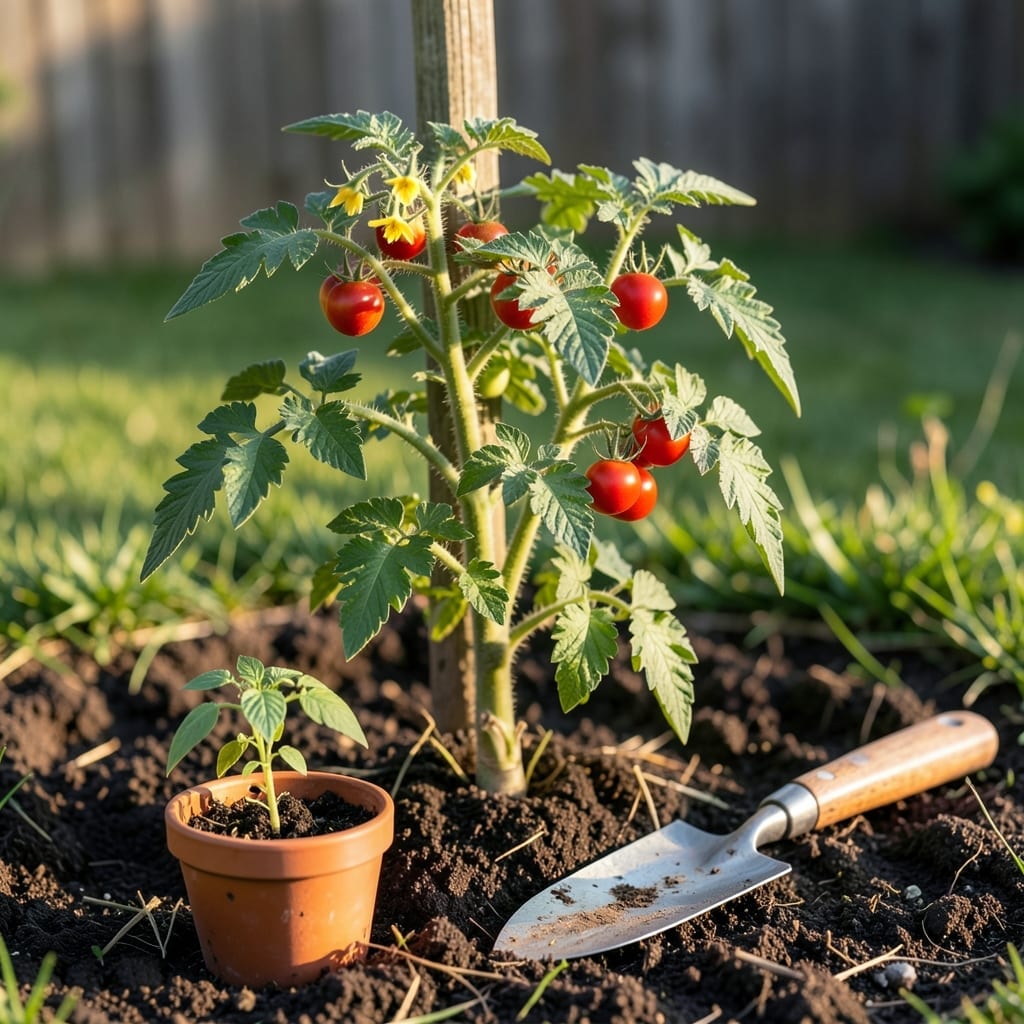
Tucson’s desert climate makes growing 🍅 Tomato plants a rewarding challenge, but timing is everything. Plant too early, and frost might ruin your crop. Wait too long, and the scorching summer heat could wilt your efforts before they bear fruit.
As a local gardener in zone 9b, I’ve learned the hard way that success hinges on understanding our unique seasons. The good news? There are two prime windows each year to get it right.
Whether you’re a seasoned green thumb or just starting out, knowing when to get those seeds in the ground can make all the difference. I’ll share the exact months that work best in our Sonoran Desert conditions.
Discover how to align your planting with Tucson’s climate for a bumper crop of juicy, homegrown tomatoes. Let’s dig into the details that will set you up for success.
Tucson’s Sonoran Desert climate offers two prime windows for planting tomatoes. The first is January through March, when cooler temperatures allow seedlings to establish before summer heat arrives.
Your second opportunity comes in late August to September, targeting a fall harvest before the first frost. This timing avoids the brutal 100°F+ summers that stress plants.
| Planting Window | Key Considerations | Harvest Timeframe |
|---|---|---|
| January – March | Start seeds indoors 6-8 weeks before last frost (Feb 15) | April – June |
| August – September | Direct sow or transplant when temps drop below 90°F | October – December |
| December | Risky but possible with frost protection | March – April |
For spring planting, I recommend starting seeds indoors in late December. This gives your tomato plants a head start before moving them outside in early March.
The soil temperature must reach at least 60°F for proper germination. In Tucson, this typically happens by mid-February for direct sowing.
For the fall crop, begin seeds indoors in July or wait to transplant until night temperatures stay below 80°F. This usually occurs by late August.
Remember that Tucson’s USDA Zone 9b offers a long growing season, but heat tolerance is crucial. Varieties like Heatmaster and Solar Fire perform best in these conditions.
Always use shade cloth during peak summer months if you must plant then. Even heat-tolerant varieties need protection from intense afternoon sun.
Monitor the 10-day forecast before transplanting. A sudden heat wave or cold snap can set back your plants significantly.
With proper timing and care, you can enjoy two tomato harvests per year in Tucson. The key is working with the desert’s rhythm, not against it.
☀️
Not all tomato varieties can handle Tucson’s intense summer heat. I’ve tested many and found that heat-tolerant types make all the difference in our Zone 9b climate.
Varieties like Heatmaster, Solar Fire, and Celebrity are bred to withstand high temperatures without wilting. These maintain fruit production even when the mercury climbs above 95°F.
Cherokee Purple is another favorite, though it needs afternoon shade in peak summer. Its rich flavor makes the extra care worthwhile for many gardeners.
For container gardening, I recommend Patio Princess or Tiny Tim. These compact varieties thrive in pots and handle heat well, perfect for Tucson’s urban gardeners.
Remember that even heat-tolerant tomatoes need consistent moisture. Mulch heavily to retain soil moisture and protect roots from temperature swings.
If you’re new to desert gardening, start with hybrid varieties. They’re more forgiving while you learn Tucson’s unique growing conditions.
🌱