
Beautiful Plants For Your Interior
Beautiful Plants For Your Interior
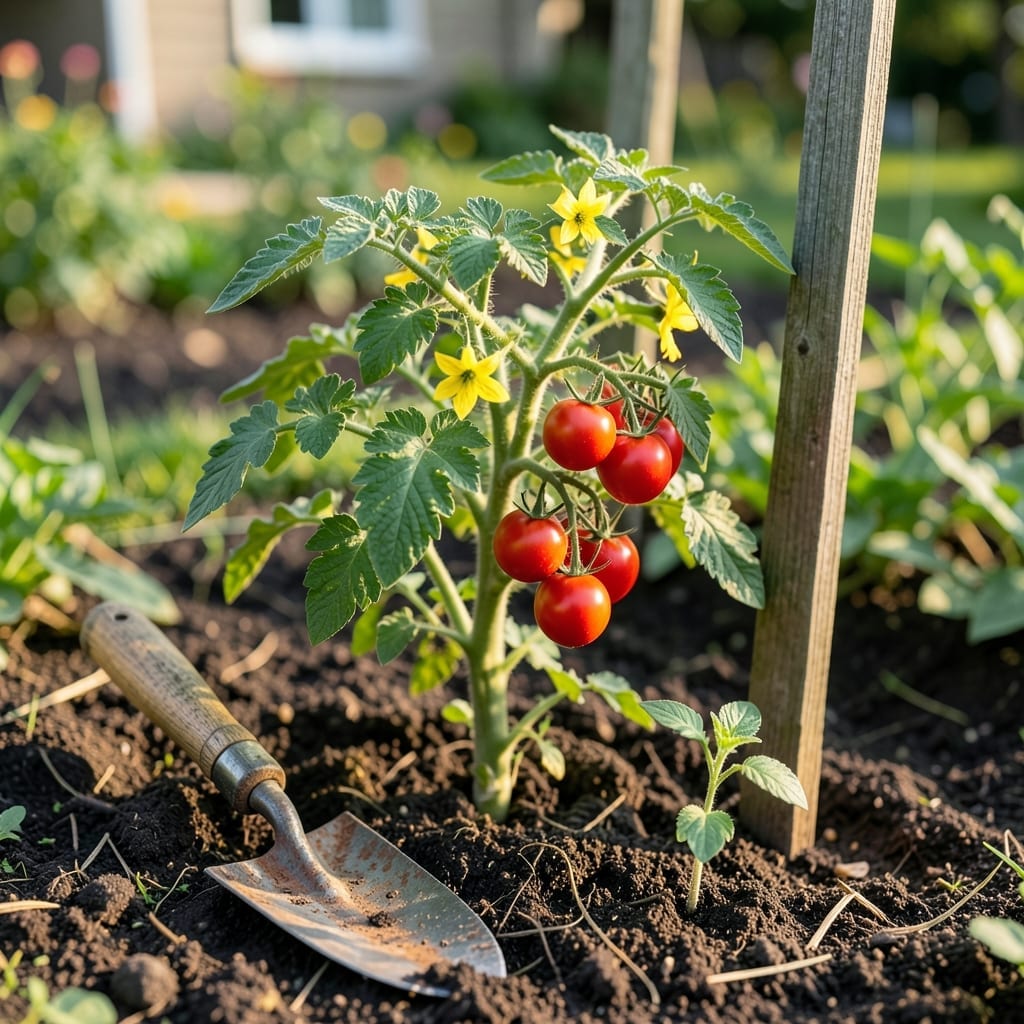
Planting your 🍅 Tomato at the wrong time can mean stunted growth or even crop failure. I’ve seen gardeners lose entire seasons by jumping the gun on transplanting.
Timing is everything when it comes to getting those seedlings into the ground. The difference between a thriving plant and a struggling one often comes down to just a few weeks.
In Zone 6, we have a sweet spot between frost danger and summer heat that’s perfect for tomatoes. But how do you know when you’ve hit that window?
Discover the simple signs to watch for that will tell you your garden is ready. Your most productive tomato season starts with this one decision.
Timing is everything when planting tomatoes in the ground. The key factors are your USDA hardiness zone, the last frost date, and soil temperature—which must reach at least 60°F for healthy root growth. 🌱
Gardeners in cooler zones (3-5) should wait until late spring, while those in warmer zones (8-11) can start earlier. Tomato seedlings are sensitive to cold, so planting too soon can stunt growth or kill young plants. ☀️
| Zone | Planting Window | Last Frost Date | Soil Temp |
|---|---|---|---|
| 3-4 | Late May – Early June | May 15 – June 1 | 60°F+ |
| 5-6 | Mid-April – Early May | April 15 – May 1 | 60°F+ |
| 7-8 | Late March – Mid-April | March 15 – April 15 | 60°F+ |
| 9-11 | February – Early March | January 15 – February 15 | 60°F+ |
In zone 6, where I garden, the sweet spot is mid-April to early May. This gives plants enough time to establish before summer heat. Always check local weather forecasts for unexpected late frosts. 🌿
For determinate tomatoes, which grow to a fixed size, you can plant a bit earlier. Indeterminate varieties need more warmth, so I wait until soil is consistently above 60°F and nighttime temps stay above 50°F.
Using a soil thermometer takes the guesswork out of timing. I bury mine 4 inches deep and check readings for 3 consecutive days to confirm conditions are right. This simple tool prevents costly mistakes.
In warmer zones like 10-11, tomatoes can thrive as a fall crop too. Plant in late summer for a second harvest before winter. Just ensure seedlings have 6-8 true leaves before transplanting. ✂️
If you’re eager to start early, use black plastic mulch to warm soil faster. This trick can give you a 2-week head start in spring. I’ve seen it boost early yields significantly in my own garden.
Remember that microclimates matter. A south-facing slope or urban heat island may allow earlier planting than surrounding areas. Observe your garden’s unique conditions each season.
Finally, always harden off seedlings for 7-10 days before transplanting. This gradual exposure to outdoor conditions prevents shock and ensures a smooth transition to the garden. 🌱
Timing tomato planting isn’t just about the calendar. I always check for soil warmth and stable nighttime temps before moving seedlings outside. 60°F soil is the magic number for root growth.
Your seedlings should have 6-8 true leaves and look stocky and healthy. Weak, leggy plants often struggle after transplanting. Watch for these visual cues.
I use a soil thermometer to check conditions at root level. Morning readings are most accurate since temps drop overnight. This simple tool prevents guessing.
Another key sign is regional planting patterns. When local farmers markets start selling tomato plants, it’s usually safe to transplant. They know their climate best.
Don’t rush if cold snaps are predicted. I’ve lost plants by jumping the gun during late spring cold fronts. Patience always pays off with tomatoes.
Finally, prepare your garden beds with compost before planting. Well-draining, fertile soil gives your transplants the best start for strong growth. ☀️