
Beautiful Plants For Your Interior
Beautiful Plants For Your Interior
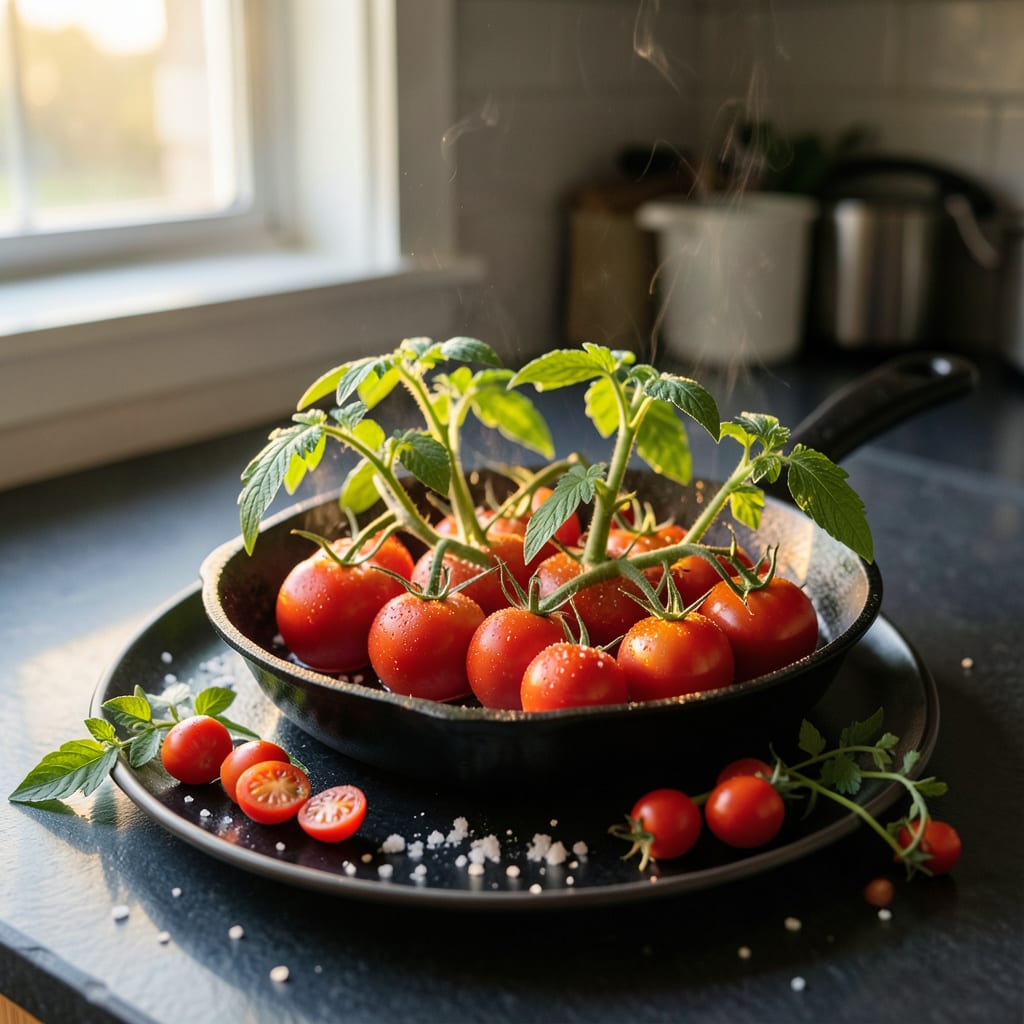
Growing tomatoes 🍅 in Tennessee can be a rewarding experience, but timing is crucial for a bountiful harvest. The state’s climate varies across regions, making it essential to understand the optimal planting time.
In Tennessee’s spring season, late March to early May is typically the best time to plant tomatoes, when soil temperatures reach 55°F-60°F. Let’s explore the factors that determine the ideal planting time and how to maximize your tomato yield.
Ideal Time
Also Good
Tennessee’s diverse climate means that the optimal tomato planting time varies across different regions. The state’s geography creates distinct growing conditions in its eastern, middle, and western areas.
Understanding these regional differences is crucial for successful tomato cultivation. Factors such as temperature, frost dates, and soil conditions all play a role in determining the best planting time.
The regional planting schedule is influenced by factors such as elevation and proximity to large bodies of water. For example, areas near the Tennessee River tend to have a slightly longer growing season.
In western Tennessee, the warmer climate allows for earlier planting, typically around late March. This region includes cities like Memphis and Jackson.
Middle Tennessee, which includes Nashville, usually sees optimal planting conditions in early to mid-April. The region’s moderate climate makes it suitable for a wide range of tomato varieties.
Eastern Tennessee, with its more mountainous terrain, has a slightly cooler climate. Planting is usually recommended for mid to late April in this region, which includes cities like Knoxville.
When planning your tomato planting, it’s essential to consider the average last frost date for your specific area. This date varies across Tennessee, ranging from early April in the west to late April in the east.
To ensure the best results, start your tomato seeds indoors 6-8 weeks before the last expected frost date. This head start allows the seedlings to develop before being transplanted outside.
By understanding the regional planting schedule and adapting to local conditions, Tennessee gardeners can enjoy a bountiful tomato harvest throughout the summer months 🌞.
Each region’s unique characteristics play a crucial role in determining the optimal planting time, making it essential to stay informed about local climate conditions.
Successful tomato cultivation in Tennessee requires careful planning and attention to regional differences. By following the recommended planting schedule for your area, you can enjoy a healthy and productive harvest.
Whether you’re in western, middle, or eastern Tennessee, understanding the local climate and planting schedule is key to growing delicious tomatoes.
With the right timing and care, Tennessee gardeners can look forward to a rewarding tomato harvest. By following these guidelines and staying attuned to local conditions, you can maximize your chances of success.
Understanding Tennessee’s climate is crucial for successful tomato planting. The state’s weather patterns, frost dates, and soil temperature all play significant roles in determining the optimal planting time.
Tennessee’s spring season brings unpredictable weather, with temperatures fluctuating between warm and cold spells. Gardeners must be prepared for potential late frosts that can damage young tomato plants.
Tennessee’s last frost dates vary by region: western (early April), middle (mid-April), eastern (late April). Plan your tomato planting accordingly to avoid damage from unexpected frosts.
The soil temperature is another critical factor in tomato planting. Tomatoes thrive in soil that has warmed to at least 55°F-60°F, typically reached in late March to early May in Tennessee.
Frost dates are essential in planning tomato planting. In Tennessee, the last frost dates range from early April in western regions to late April in eastern areas. Gardeners should start seedlings indoors 6-8 weeks before these dates.
Tennessee’s regional climate variations affect tomato planting. Western Tennessee has a warmer climate, allowing for earlier planting, while eastern Tennessee’s cooler climate delays planting until mid-to-late April.
To maximize success, gardeners should monitor local weather forecasts and be prepared to protect young plants from unexpected cold snaps.
By understanding these climate considerations, Tennessee gardeners can better plan their tomato planting and enjoy a healthy, productive harvest 🌞.
To achieve a bountiful tomato harvest in Tennessee, gardeners should focus on proper planting techniques and ongoing care. The state’s climate offers ideal conditions for growing tomatoes, but attention to detail is crucial for success.
Test your soil to determine its pH level and nutrient content. Tomatoes prefer a slightly acidic to neutral soil pH (6.0-7.0). Add organic matter like compost to improve soil structure and fertility.
Plant tomato seedlings deeper than they were in their pots, up to the first true leaves. This encourages a stronger root system and better plant stability.
Water your tomato plants consistently, providing about 1-2 inches of water per week. Apply a layer of organic mulch around the plants to retain moisture and suppress weeds.
By following these tips and staying attentive to your plants’ needs, you can enjoy a healthy and productive tomato harvest in Tennessee’s climate 🌞.
Regular monitoring of your tomato plants is essential to catch any potential issues early. Keep an eye out for signs of pests, diseases, or nutrient deficiencies, and take action promptly to address them.
With proper care and attention, your tomato plants will thrive in Tennessee’s climate, providing you with a bountiful harvest of delicious homegrown tomatoes 🍅.
The ideal soil temperature for planting tomatoes is between 55°F-60°F, typically reached in late March to early May in Tennessee. This temperature range supports healthy root development and helps prevent shock to the plants.
To protect your tomato plants from late frosts, keep an eye on local weather forecasts and be prepared to cover them with frost blankets or bring potted plants under cover if possible. You can also use row covers to protect multiple plants at once.
Start tomato seeds indoors 6-8 weeks before the last expected frost date for your area. This head start allows the seedlings to develop before being transplanted outside when the weather is warmer.
While late March to early May is generally considered the best time to plant tomatoes in Tennessee, May can still be a good time, especially in cooler regions. Just ensure the soil has warmed up sufficiently and the risk of frost has passed.
