
Beautiful Plants For Your Interior
Beautiful Plants For Your Interior
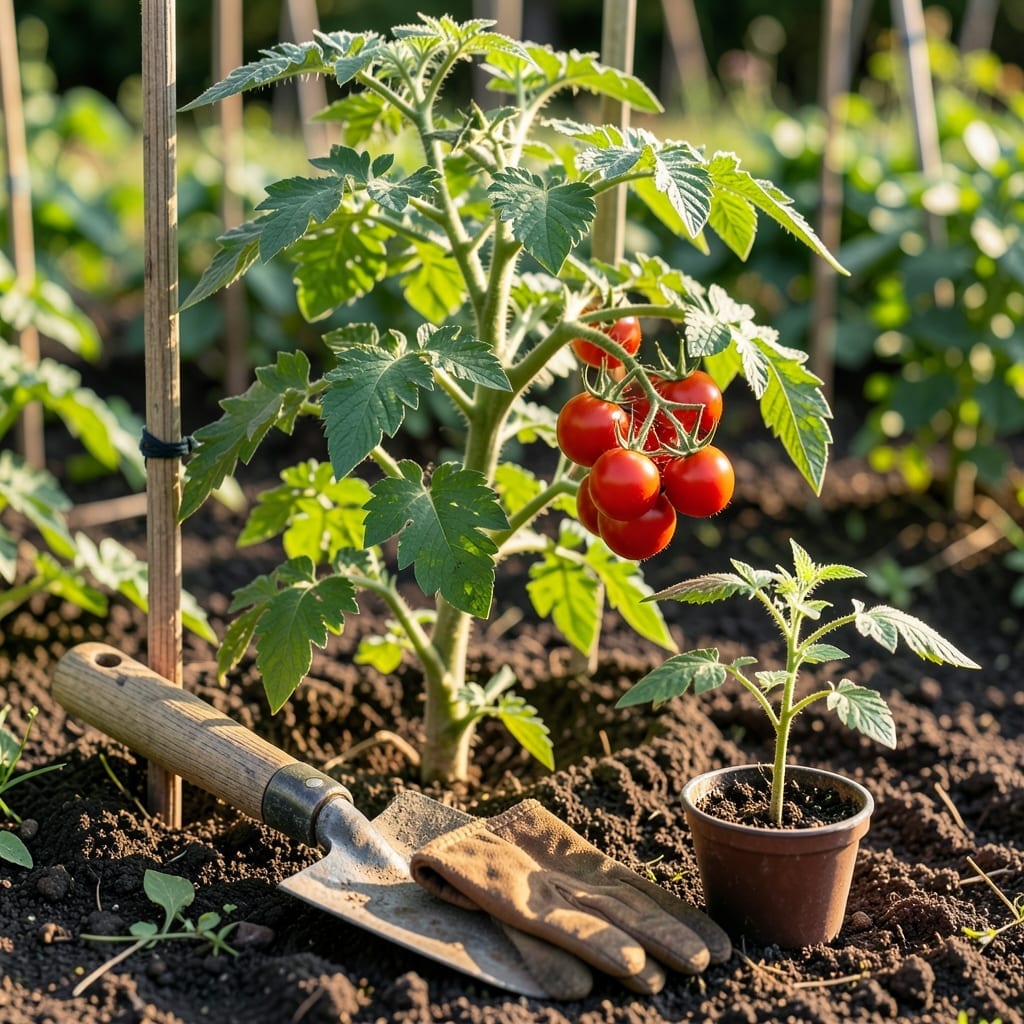
Timing is everything when planting Tomato in Southern Illinois—plant too early, and frost will kill your seedlings; plant too late, and you miss the best growing season.
I’ve seen gardeners struggle with this balance every spring. The difference between a mediocre harvest and a bumper crop often comes down to just a few weeks.
Here’s what you need to know: your 🍅 Tomato plants thrive when the soil is warm and the danger of frost has passed. In our Zone 6b-7a climate, that window is precious.
Let me walk you through the exact timing and preparation steps that will set your garden up for success this season.
In Southern Illinois (USDA Zones 6b-7a), the last frost date is typically around April 15. This is your green light for planting tomatoes outdoors.
I recommend waiting until soil temperatures reach at least 60°F. Cold soil can stunt growth or even kill young plants. A soil thermometer is your best friend here.
| Planting Factor | Details for Southern Illinois |
|---|---|
| Last Frost Date | April 15 |
| Soil Temp | 60°F minimum |
| Transplant Timing | 2 weeks after last frost |
| Direct Sowing | Not recommended |
Early varieties like ‘Early Girl’ can go in slightly earlier, around late April. These mature faster, giving you tomatoes by early July.
For main crop varieties like ‘Brandywine’ or ‘Beefsteak’, I plant them in early May. This gives them the full growing season to reach their potential.
If you’re itching to start earlier, consider hardening off your seedlings. I begin this process 1-2 weeks before transplanting by exposing them to outdoor conditions gradually.
Container gardeners can start a bit earlier since pots warm up faster. Just ensure your containers have good drainage and are in a sunny location receiving at least 6-8 hours of sunlight.
Remember, Southern Illinois has a long growing season of about 180 days. This means you can even plant a second crop of early varieties in late July for a fall harvest.
I always check the 10-day forecast before planting. If there’s any chance of a late frost, I’ll hold off or use frost protection like cloches or row covers.
And don’t forget about soil preparation. I work in plenty of compost before planting to give my tomatoes the best start. Well-draining soil is key to prevent root rot and other issues. ☀️
Finally, spacing matters. I plant my tomatoes 18-24 inches apart for determinate varieties and 24-36 inches apart for indeterminate types. This ensures good air circulation and reduces disease risk. 🌱
I always start by testing my soil pH—tomatoes thrive in 6.0-6.8 range. Southern Illinois clay often needs compost or aged manure to improve drainage and fertility. This step prevents many problems before they start.
Next, I harden off seedlings for 7-10 days before transplanting. Gradually expose them to outdoor conditions, starting with 1-2 hours of shade and increasing daily. This toughens them up for our unpredictable spring weather.
When transplanting, I dig holes 12-18 inches deep and add a handful of bone meal for root development. Planting deeper encourages strong root systems—bury 2/3 of the stem for best results.
Spacing is critical in our humid climate. I give determinate varieties 18 inches between plants and 24 inches for indeterminate types. This airflow prevents fungal diseases common in Southern Illinois summers.
After planting, I always water with a weak seaweed solution to reduce transplant shock. Then I add 2-3 inches of straw mulch to keep soil moist and suppress weeds during our hot summers.
Remember, our last frost date is around April 15, but I wait until soil reaches 60°F. Using a soil thermometer takes the guesswork out of timing for perfect tomato transplantation.
☀️