
Beautiful Plants For Your Interior
Beautiful Plants For Your Interior
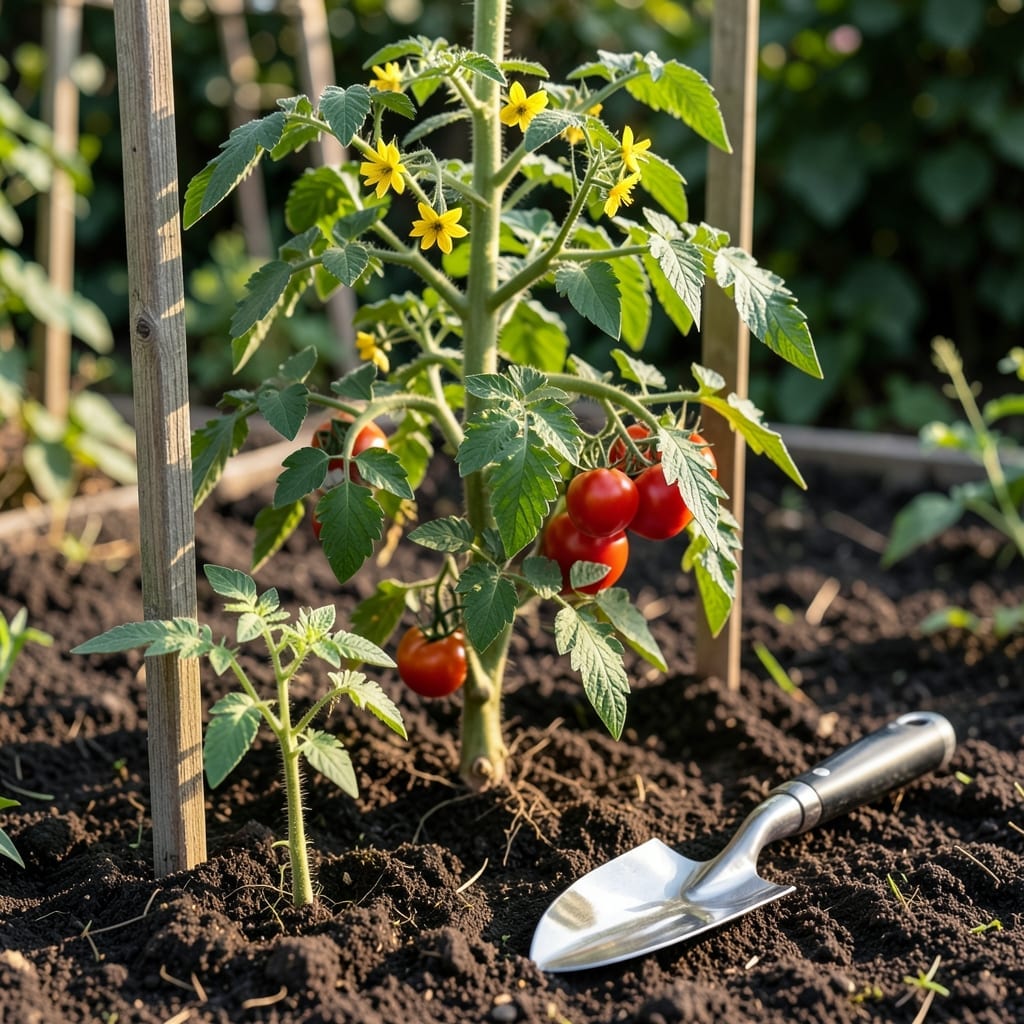
Timing is everything when planting Tomato in Rochester NY—plant too early and frost will kill your seedlings, but wait too long and you’ll miss the peak growing season.
This guide helps you nail the perfect window for a bountiful harvest. With Rochester’s 6a zone and unpredictable spring weather, knowing when to start is the key.
I’ll walk you through the local frost dates, soil temperature requirements, and how to adjust for microclimates. Whether you’re a beginner or experienced gardener, these tips will set you up for success.
Discover how to maximize your growing season and enjoy fresh Tomato 🍅 from July to October.
In Rochester NY, the last frost date is typically around May 15, making this your starting line for planting tomatoes outdoors. I always wait until the soil temperature hits at least 60°F to avoid stunting seedling growth.
The growing season here is shorter than in southern zones, so I focus on early-maturing varieties like Early Girl or Stupice that can ripen within 55-65 days. This ensures a full harvest before the first frost in mid-October.
| Stage | Action | Timing |
|---|---|---|
| Last Frost | Wait to plant | May 15 |
| Soil Temp | Minimum 60°F | Mid-May |
| Transplant | Hardened seedlings | Late May |
| Early Harvest | Early Girl ready | July |
Rochester’s microclimates can shift your timeline. Near Lake Ontario, the lake effect moderates temperatures, allowing me to plant 1-2 weeks earlier than inland areas. I always check my local soil with a thermometer.
The urban heat island effect in downtown Rochester can also create warmer pockets. If you’re in the city, you might get away with planting tomatoes in early May if you use row covers for frost protection.
For determinate tomatoes, I stick to the May 15 rule, but indeterminate varieties can go in a bit later. They’ll keep producing until frost, so I give them extra time to establish strong root systems.
If you’re eager to start earlier, consider container gardening. Pots on a sunny patio warm up faster than garden soil. I’ve had success with cherry tomatoes in containers as early as May 1 with proper protection.
Remember, night temperatures are critical. Even if days are warm, tomatoes can’t handle nights below 50°F. I always check the 10-day forecast before transplanting to avoid a cold snap.
For the best results, I recommend using black plastic mulch to warm the soil faster. This trick can give you a 1-2 week head start on the season, which is valuable in Rochester’s Zone 6a climate.
Finally, keep an eye on the weather patterns. Rochester can have unpredictable springs, so flexibility is key. I’ve learned to have frost cloth on hand just in case Mother Nature throws a curveball.
🌱Starting tomato seeds indoors gives you a head start in Rochester’s short growing season. I recommend beginning 6-8 weeks before the last frost date, typically around mid-March for our area.
Use seed trays with well-draining soil and keep them in a warm spot (70-80°F). A grow light helps prevent leggy seedlings if natural light is limited. 🌱
Once seedlings have 2-3 true leaves, transplant them into larger pots. This prevents root bounding and encourages strong growth before moving them outside. ✂️
In Rochester, hardening off is crucial. Start by placing seedlings outside for 1-2 hours in a shaded spot, gradually increasing time and sun exposure over a week.
Transplant outdoors only after soil temps hit 60°F and nighttime temps stay above 50°F. This usually aligns with our mid-May last frost date. 🌿
For the earliest harvests, choose fast-maturing varieties like ‘Early Girl’ or ‘Stupice’. These can produce fruit in as little as 50-60 days, perfect for our climate.