
Beautiful Plants For Your Interior
Beautiful Plants For Your Interior
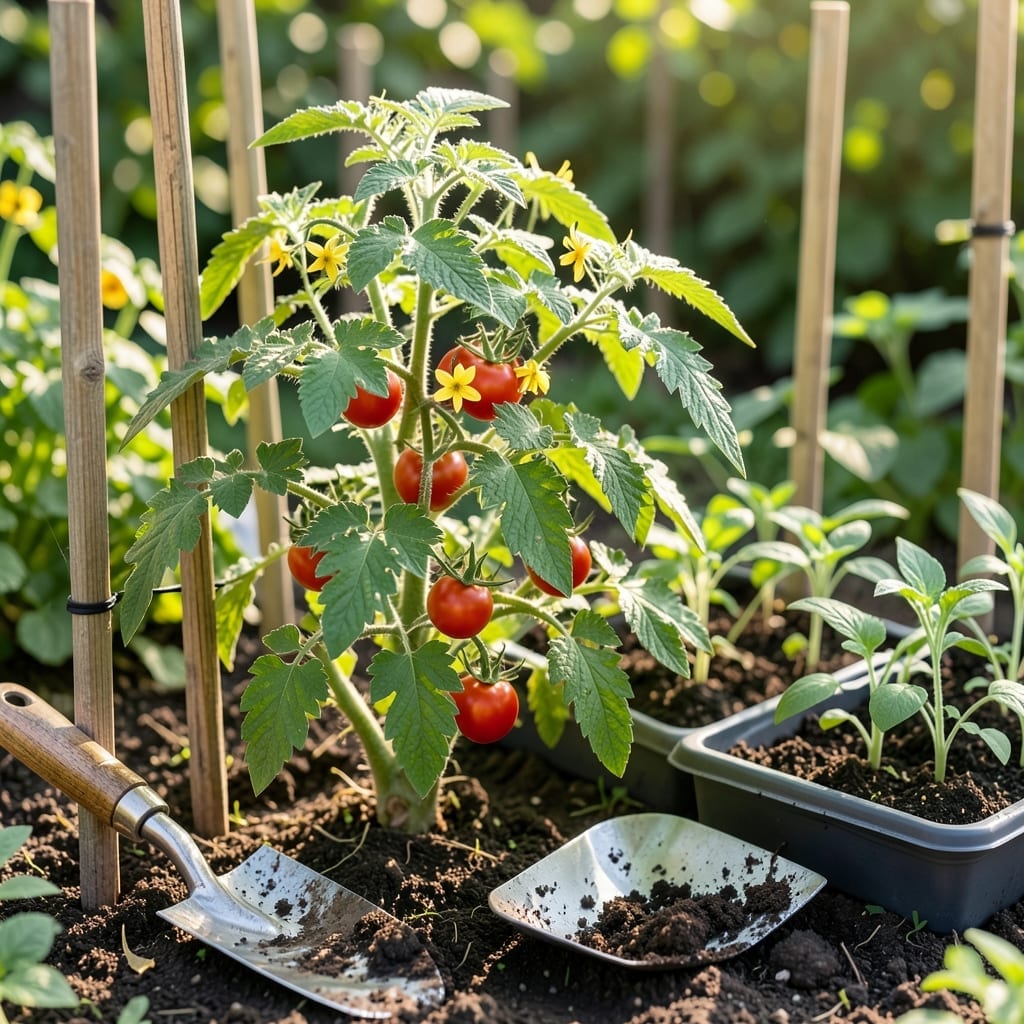
Timing is everything when growing Tomato 🍅 plants in Northern Virginia’s Zone 7a climate. Plant too early and frost will kill your seedlings; wait too long and you’ll miss the prime harvest window.
I’ve learned the hard way that getting this right makes all the difference between a bountiful summer and a disappointing one. The key lies in understanding our region’s unique frost dates and soil temperature needs.
You’ll discover exactly when to start seeds indoors, when to transplant outdoors, and how to time your fall planting for maximum success. No more guessing games.
Let me walk you through the precise calendar that works for Northern Virginia, so you can enjoy juicy, homegrown Tomato harvests from July through October.
In Northern Virginia’s Zone 7, timing your tomato planting right means the difference between a bountiful harvest and a disappointing season. The last frost date is typically around April 15, but soil warmth is just as critical. 🌱
I always wait until soil temperatures consistently hit 60°F before transplanting. Early varieties can go in mid-April, but most gardeners find late April to early May ideal for main-crop tomatoes. 🌿
For fall tomatoes, I start early-maturing varieties like ‘Early Girl’ or ‘Stupice’ by mid-July. This gives them 70-80 days to ripen before the first frost around October 15. ✂️
If you’re direct sowing, wait until soil is 70°F. I use a soil thermometer to check—it’s more reliable than guessing. Cherry tomatoes often tolerate cooler soil better than beefsteaks. ☀️
I’ve found that raised beds warm up 2-3 weeks earlier than in-ground soil. If you’re eager to plant, black plastic mulch can help speed up soil warming. Just remove it once temps rise. 🌡️
Remember, microclimates matter in Northern Virginia. Urban areas may be 5-10°F warmer than rural spots. If you’re near Washington D.C., you might plant 1-2 weeks earlier than in Loudoun County. 🪴
For container gardeners, the rules are similar, but pots warm up faster. I start my container tomatoes a week earlier than in-ground plants, but I monitor moisture closely—pots dry out faster. 💧
If a late frost threatens after planting, I cover my tomato seedlings with frost cloth or old blankets. Never use plastic—it can cook your plants if it touches them. 🌱
Finally, rotate your crops to avoid disease. I never plant tomatoes or peppers in the same spot more than once every 3 years. This simple step prevents many common soil-borne issues. 🌿
In Northern Virginia’s Zone 7 climate, timing your tomato planting depends on more than just the calendar. I’ve found that soil temperature is just as critical as air temperature for healthy growth.
The last frost date (around April 15) is your first milestone, but 60°F soil is the real green light. Cold soil stunts seedling growth, even if the air feels warm.
I always recommend using a soil thermometer to check conditions. It’s a small investment that prevents costly mistakes with tender tomato plants.
Northern Virginia’s variable weather means microclimates matter. Areas near urban heat islands may warm faster, while low-lying spots stay cooler longer.
For fall planting, count backward from the first frost (typically October 15). Early varieties need 70-80 days to mature before cold sets in.
Remember, even drought-tolerant tomatoes need consistent moisture during fruit set. I’ve seen plants struggle in our summer heat waves without proper watering.
☀️