
Beautiful Plants For Your Interior
Beautiful Plants For Your Interior
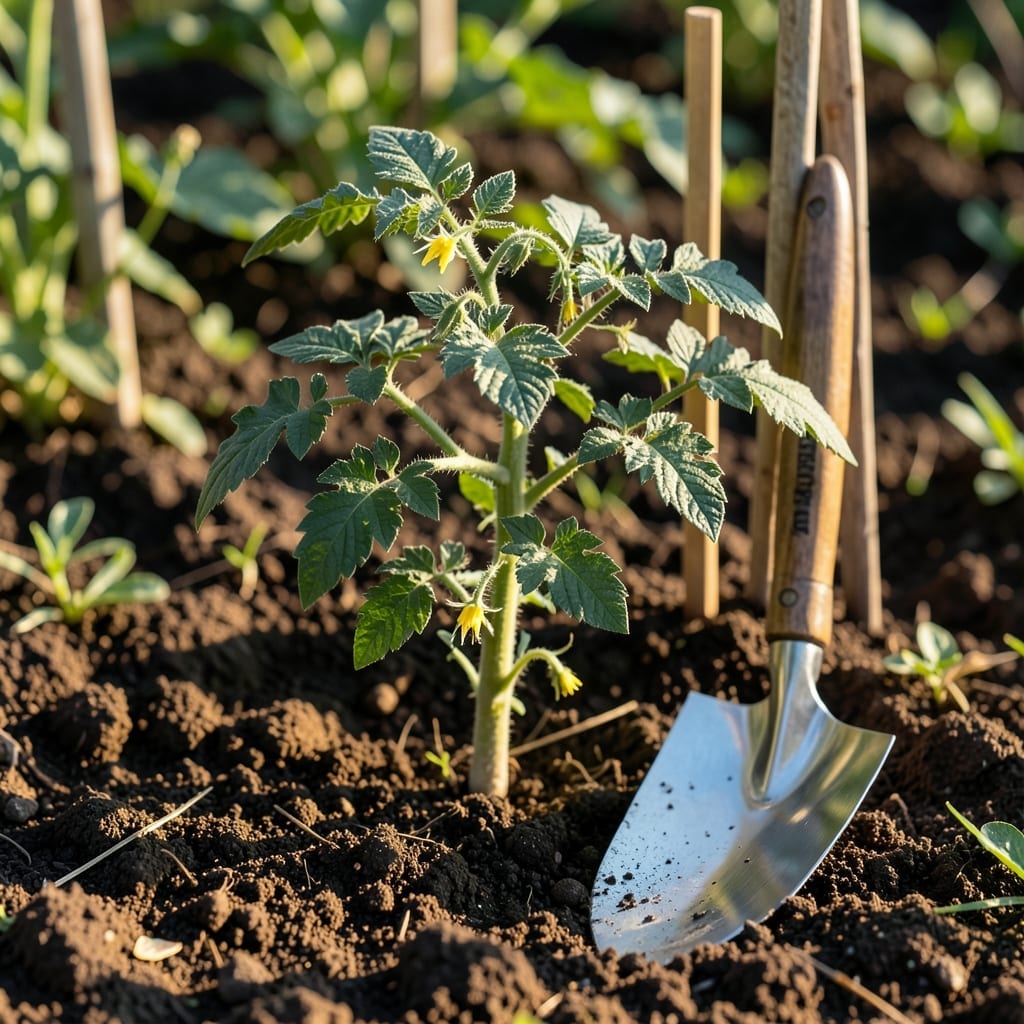
Timing is everything when planting Tomato in New Jersey—plant too early, and a late frost could wipe out your crop. Plant too late, and you’ll miss the peak growing season.
With our state’s 6b-7a zones, getting it right means the difference between a mediocre harvest and a bumper crop. The window is narrow but critical.
I’ve learned through trial and error that waiting for that sweet spot after the last frost is non-negotiable. The soil temperature is just as important as the calendar date.
Let me show you exactly when to get your 🍅 in the ground for the best results this season.
In New Jersey, your tomato planting window depends heavily on USDA hardiness zones and local frost dates. The state spans zones 6b to 7a, with last frost dates ranging from mid-April to early May.
For the best results, I recommend waiting until soil temperatures consistently reach 60°F and all danger of frost has passed. This ensures your tomato seedlings won’t be shocked by cold soil.
| Region | USDA Zone | Last Frost Date | Planting Window |
|---|---|---|---|
| North NJ | 6b | April 15-30 | May 1-15 |
| Central NJ | 7a | April 10-20 | April 20-May 5 |
| South NJ | 7a | April 1-10 | April 10-25 |
If you’re eager to start earlier, consider using transplants or starting seeds indoors 6-8 weeks before the last frost. This gives you a head start without risking frost damage to young plants.
For early tomato varieties, like ‘Early Girl’ or ‘Stupice’, you can plant as soon as soil temps hit 55°F. These mature faster, often in 50-60 days, so they’re ideal for shorter seasons.
Mid-season varieties, such as ‘Brandywine’ or ‘Beefsteak’, need warmer soil and a longer growing window. I plant these after May 10 in most regions to ensure they have enough time to mature.
Late-season tomatoes, like ‘San Marzano’, require the longest growing period. In Northern NJ, start these indoors early or choose a faster-maturing alternative to avoid fall frost cutting your harvest short.
Always check your local weather forecast before planting. A surprise late frost can happen even after the average date. I keep row covers handy just in case.
In coastal areas, the Atlantic Ocean moderates temperatures, allowing for slightly earlier planting. But inland areas, especially in Northwest NJ, can experience colder snaps later into spring.
For the most accurate timing, I use a soil thermometer to check temperatures at a 4-inch depth. If it’s consistently above 60°F, it’s safe to plant. This small tool can make a big difference in your harvest.
Remember, New Jersey’s climate can vary greatly from the Pine Barrens to the Highlands. Adjust your planting dates based on your specific microclimate and past weather patterns.
☀️New Jersey’s unpredictable spring weather can catch even seasoned gardeners off guard. I’ve lost count of how many times a late cold snap has threatened my young tomato plants. The key is being prepared before the mercury drops.
Even after the last frost date, temperatures can dip unexpectedly. That’s why I always keep protective covers on hand. A little preparation goes a long way in ensuring your plants survive and thrive.
I swear by floating row covers for their ease of use. They’re lightweight, allow light and water through, and provide just enough warmth to prevent frost damage. Plus, they’re reusable for multiple seasons.
For a more DIY approach, I’ve had success with old milk jugs as mini greenhouses. Just cut the bottom off, place over the plant, and remove the cap for ventilation during the day.
Remember, tomato plants are tropical by nature. They thrive in warmth, so even a light frost can be devastating. Always check the overnight lows in your area.
If a hard freeze is forecasted, I recommend harvesting any mature green tomatoes and ripening them indoors. It’s better than losing the entire crop to an unexpected cold front.
With these strategies, you can extend your growing season and protect your investment. A little effort now means a bountiful harvest later ☀️