
Beautiful Plants For Your Interior
Beautiful Plants For Your Interior
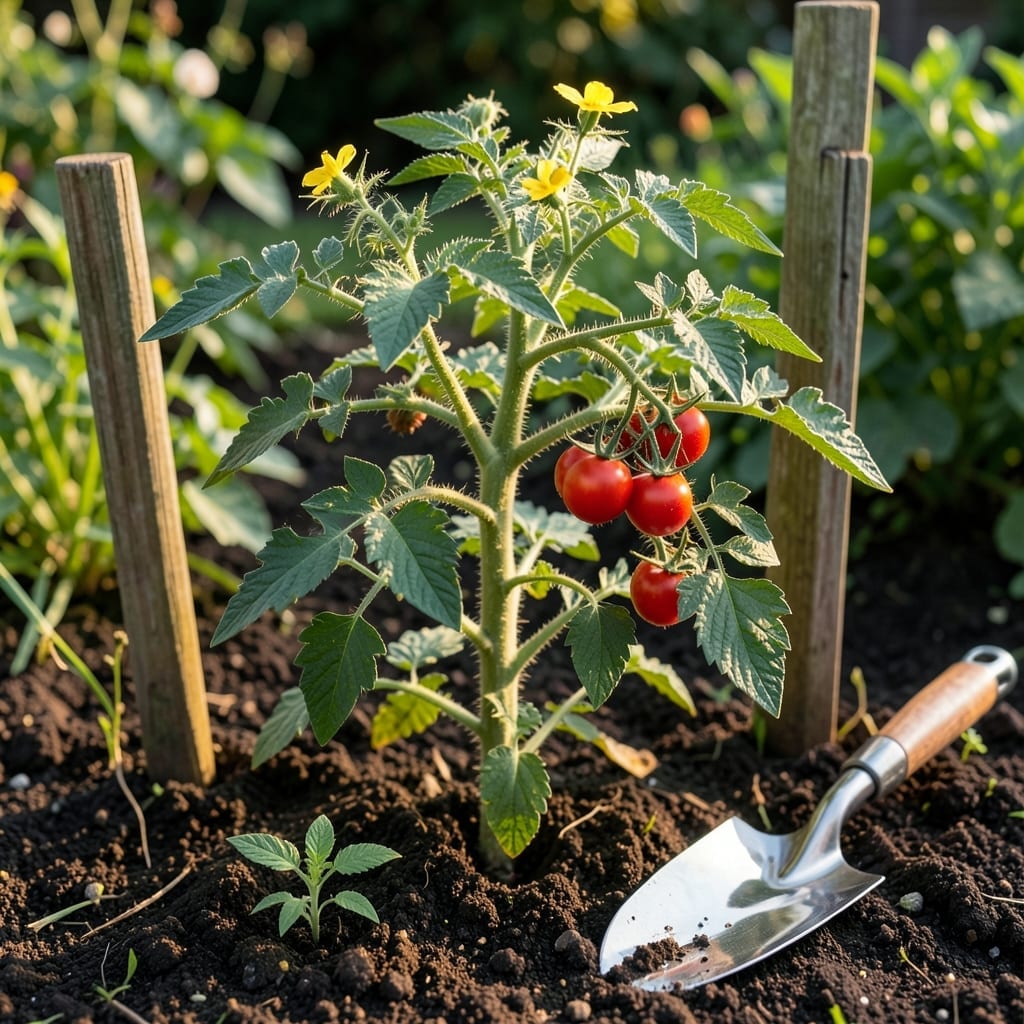
Timing is everything when planting Tomato 🍅 in New Hampshire, where unpredictable springs and early frosts can make or break your harvest.
Get the timing right for juicy, homegrown Tomato all season long. I’ve learned the hard way that rushing this process often leads to disappointment.
In zone 5b, the window is tight but rewarding if you follow the rhythm of the seasons. Whether you’re a first-timer or a seasoned gardener, nailing this timing is the key.
Discover how to align your planting with New Hampshire’s climate for a bountiful harvest from July through October.
In New Hampshire, timing your tomato planting is crucial due to our short growing season and variable weather. I always check the last frost date for my area before getting started.
The ideal window for transplanting tomatoes outdoors is after May 15, when the risk of frost has passed in most of the state. This gives your plants the best chance to thrive in our zone 5b climate.
| Planting Stage | Timing | Key Notes |
| Start Seeds Indoors | Mid-March to Early April | 6-8 weeks before last frost |
| Transplant Outdoors | After May 15 | Soil temp should be 60°F+ |
| Fall Planting | Late July to Early August | For early-maturing varieties only |
| Last Harvest | Before October 15 | Avoid first frost damage |
For spring planting, I start my seeds indoors 6-8 weeks before the last frost date. This head start ensures strong seedlings ready for transplanting when the soil warms up.
The soil temperature is just as important as air temperature. Tomatoes need soil that’s at least 60°F to grow properly. I use a soil thermometer to check before planting.
In northern New Hampshire (zones 3-4), you might need to wait until late May or even early June to be safe. The southern regions (zone 6) can often plant a week or two earlier.
For fall tomatoes, I focus on quick-maturing varieties like ‘Early Girl’ or ‘Stupice’. These can produce a crop before the first frost hits in mid-October.
Remember that container tomatoes can be moved indoors if an unexpected cold snap threatens. I keep a few in pots just for this flexibility.
Proper soil preparation is key. I amend my beds with compost and a balanced fertilizer before planting to give my tomatoes the best start.
Watch the 10-day forecast before transplanting. Even after May 15, a late frost can occur. I always have frost cloth ready just in case.
By following these New Hampshire-specific timing guidelines, you’ll maximize your chances of a bountiful tomato harvest from July through October 🌱
New Hampshire’s short growing season doesn’t have to limit your tomato harvest. With a few smart tricks, I’ve managed to enjoy fresh tomatoes well beyond the typical window.
Starting indoors 6-8 weeks before the last frost gives seedlings a head start. I use grow lights to ensure sturdy plants ready for transplanting.
I’ve found that black plastic mulch can raise soil temperature by 5-10°F, allowing me to plant tomatoes a week or two earlier than usual.
For late-season protection, I rely on row covers and mulching. These simple steps can extend your harvest into late October or even early November.
Cold frames are another game-changer. They let me harden off seedlings while protecting them from unexpected late frosts in May.
Remember, even in New Hampshire, you can enjoy homegrown tomatoes for months with the right planning and protection. 🌱