
Beautiful Plants For Your Interior
Beautiful Plants For Your Interior
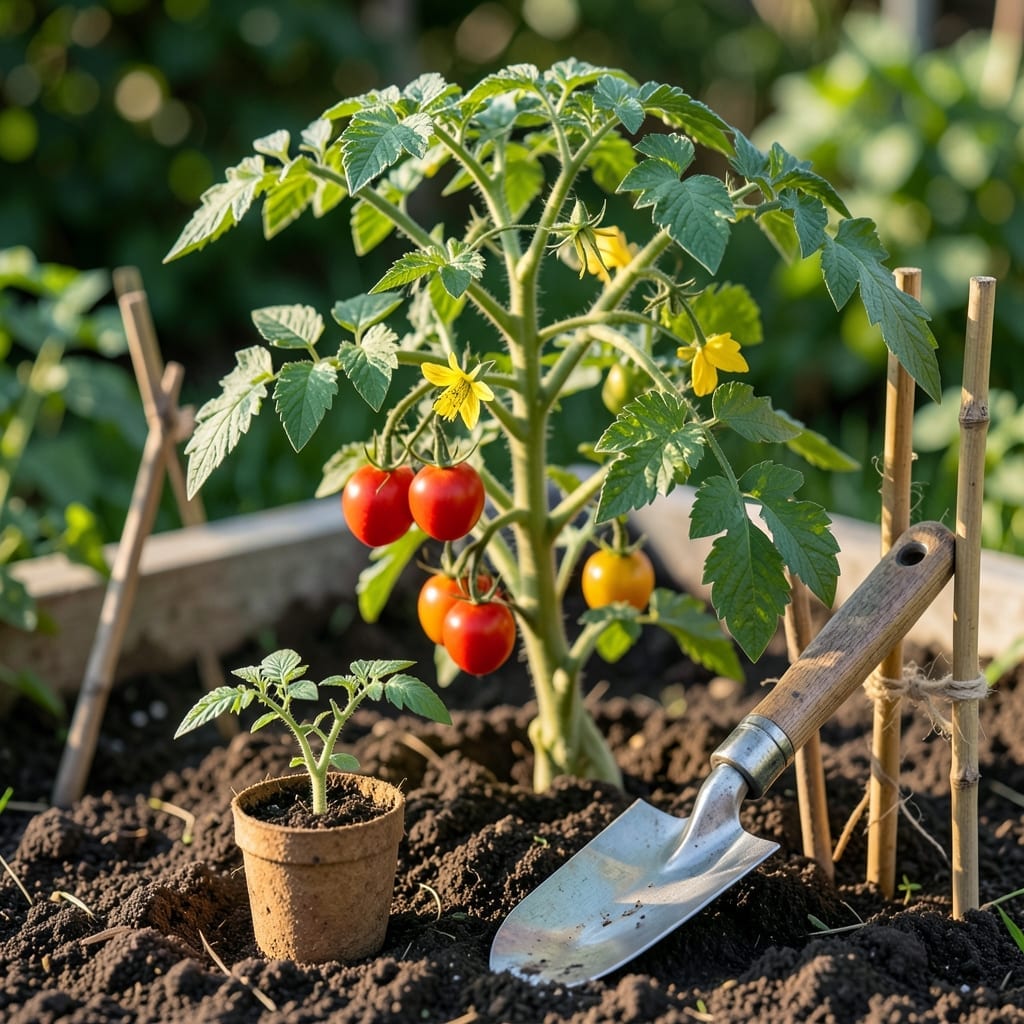
Timing is everything when planting 🍅 Tomatoes in Kansas City, MO. Plant too early and frost can kill your seedlings, but wait too long and you’ll miss the peak growing season.
With our area sitting in USDA zone 6a, the last frost typically passes by mid-April, but soil temperature matters just as much as air temperature. Getting this right means the difference between a mediocre harvest and a bumper crop.
I’ve learned through trial and error that April to May is your sweet spot for transplanting. This window gives your plants the best chance to thrive before summer heat kicks in.
Let me walk you through exactly when and how to plant your Tomatoes for those juicy, homegrown results you’re craving. The timing is simpler than you think.
Kansas City straddles USDA zones 6a and 6b, meaning our last frost typically hits around April 15. This is your green light for tomato planting, but soil temperature matters just as much as air temperature.
I always recommend waiting until soil reaches 60°F at a 4-inch depth. In Kansas City, this usually occurs in mid-to-late April, but early May is even safer for most varieties.
| Planting Factor | Kansas City Details |
|---|---|
| USDA Zone | 6a/6b |
| Last Frost Date | April 15 |
| Soil Temp Needed | 60°F minimum |
| Transplant Date | April 15-May 1 |
| Direct Sow Date | Not recommended |
For early-season tomatoes like ‘Stupice’ or ‘Glacier’, you can push the envelope and plant as soon as April 10-15 if you’re using frost protection. These cold-hardy varieties can tolerate temperatures down to 40°F.
Mid-season varieties such as ‘Celebrity’ or ‘Better Boy’ do best when planted April 20-May 1. These need consistent warmth to thrive and typically produce fruit 70-80 days after transplanting.
If you love heirloom tomatoes like ‘Brandywine’ or ‘Cherokee Purple’, wait until early May. These late-season varieties need 80-90 days to mature and are more sensitive to cold.
Starting seeds indoors gives you a head start. I begin mine 6-8 weeks before the last frost date, usually mid-February to early March. This ensures sturdy seedlings ready for transplanting when the weather warms.
Remember that Kansas City’s humid continental climate means we can have late frosts even after April 15. Always check the 10-day forecast before planting, and have frost blankets ready just in case.
For the most accurate timing, I recommend using a soil thermometer. When it consistently reads 60°F at 4-inch depth in the morning, you’re good to go. This simple tool can save you from the heartbreak of lost seedlings.
If you’re eager to get started earlier, consider using black plastic mulch to warm the soil. This can give you a 1-2 week jump on the season by absorbing and retaining heat from the sun.
Kansas City’s 180-day growing season gives us plenty of time for multiple harvests. With proper timing and care, you can enjoy fresh tomatoes from July through October ☀️
In Kansas City MO, late spring frosts can still threaten tomato seedlings even after the average last frost date of April 15. I’ve learned the hard way that one cold night can wipe out weeks of growth. That’s why I always have a frost protection plan ready to go.
My go-to method is using floating row covers to shield plants from sudden temperature drops. These lightweight fabrics trap heat from the soil while allowing sunlight and water to pass through. They’re a game-changer for extending the growing season safely. 🌱
Another trick I swear by is cloches—clear glass or plastic domes that create mini greenhouses for individual plants. They’re perfect for protecting young tomato plants from overnight chills while still letting in essential sunlight. Just
For larger plantings, DIY frost tunnels work wonders. I use PVC pipes bent into hoops and cover them with clear plastic sheeting. This setup shields rows of tomatoes from frost while allowing me to easily access plants for watering and care. It’s a cost-effective way to extend protection across multiple plants.
Don’t forget about mulch—a thick layer of straw or shredded leaves around the base of your tomato plants helps insulate the soil and roots. This keeps the soil temperature more stable, which is crucial for healthy root development during those unpredictable spring nights.
Finally, I always keep an eye on the weather forecast and have blankets or old sheets on hand for emergency coverage. If a hard freeze is predicted, I’ll drape these over my protection structures for added insulation. With these strategies, I’ve successfully saved my tomato plants from many a late frost in Kansas City. ☀️