
Beautiful Plants For Your Interior
Beautiful Plants For Your Interior
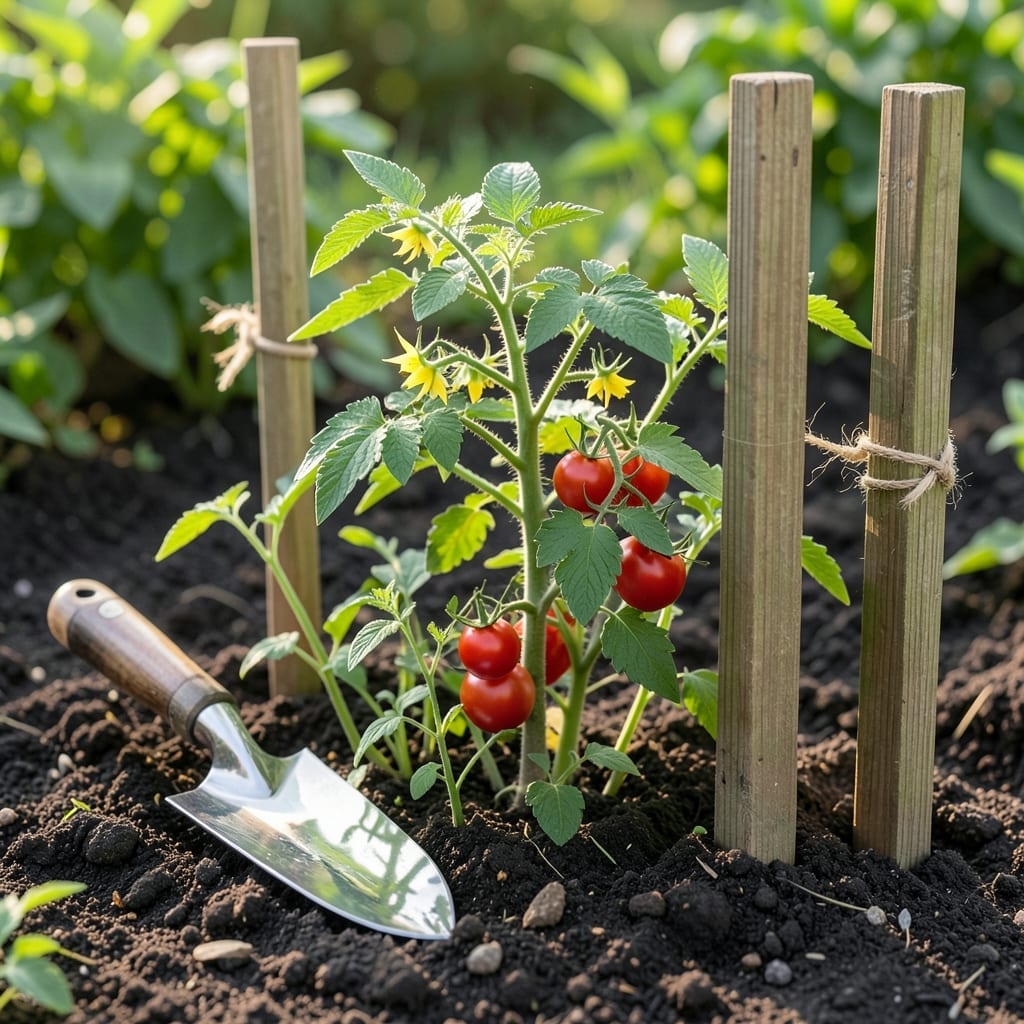
Timing is everything when planting Tomato in GA, where the climate can make or break your harvest. Whether you’re in the mountains or the coastal plains, knowing the right moment to plant ensures healthy growth and bountiful yields.
I’ve seen gardeners struggle with wilting plants because they jumped the gun on planting. The 7b-8a zones have unique challenges that require precise timing. Let me share what I’ve learned about getting this right.
You’ll discover how to work with Georgia’s unpredictable springs and long growing season. There’s a sweet spot between frost danger and heat stress that most miss.
From soil temperature to variety selection, I’ll show you exactly when to get those Tomato starts in the ground for the best possible harvest in GA.
Georgia’s diverse climate means planting times vary by region. In North Georgia, you’ll need to wait until after the last frost date, which is typically around April 15. This area falls in USDA zones 7a-7b.☀️
The soil temperature must be at least 60°F for tomatoes to thrive. In Central Georgia, which includes zones 7b-8a, planting can start a bit earlier, often in late March. The milder winters here allow for a longer growing season.🌱
| Region | USDA Zone | Last Frost Date | Planting Window |
|---|---|---|---|
| North Georgia | 7a-7b | April 15 | Mid-April to May |
| Central Georgia | 7b-8a | April 1 | Late March to April |
| South Georgia | 8a-8b | March 15 | Early March to April |
In South Georgia, which is in zones 8a-8b, gardeners can start planting as early as mid-March. The warmer climate and earlier last frost date, around March 15, make it ideal for early planting.
For fall planting, aim to have your tomatoes in the ground about 10-12 weeks before the first frost. In North Georgia, this means planting in late July to early August. For Central and South Georgia, you can plant a bit later, in August to early September.🌿
Soil preparation is key no matter the region. I always test my soil’s temperature with a soil thermometer to ensure it’s consistently above 60°F. If it’s too cold, the seeds or seedlings may rot or fail to germinate.
Another tip: harden off your seedlings before transplanting. I do this by gradually exposing them to outdoor conditions over a week. This reduces transplant shock and helps them adapt to Georgia’s sometimes unpredictable weather.
If you’re in a cooler microclimate, like the mountains, consider using black plastic mulch to warm the soil faster. This can give you a head start on the growing season, especially in North Georgia.
For container gardening, ensure your pots are large enough (at least 5 gallons) and have good drainage. Tomatoes in containers need consistent watering, as they dry out faster than in-ground plants.
Finally, keep an eye on the 10-day forecast. I’ve learned the hard way that a late frost can wiped out a whole crop. If there’s a chance of frost after planting, cover your tomatoes with frost cloth or old blankets.🌱
I always check soil temperature before planting tomatoes in Georgia. It needs to be at least 60°F for proper root development. A simple soil thermometer does the trick.
Monitoring weather forecasts is my next step. I look for consistent nighttime temps above 50°F to avoid frost damage to young plants. Georgia’s springs can be unpredictable.
I avoid the common mistake of planting too early. Even if daytime temps are warm, cold nights can stunt tomato growth or kill seedlings. Patience pays off.
For fall planting, I start tomatoes in July for a September harvest. This works well in South Georgia where the growing season is longer.
I also watch for soil moisture. Tomatoes need well-draining soil that’s moist but not waterlogged. A simple squeeze test tells me if it’s ready.
Remember, microclimates matter in Georgia. Urban areas may warm up faster than rural spots. I adjust my planting time based on my specific location.
☀️