
Beautiful Plants For Your Interior
Beautiful Plants For Your Interior
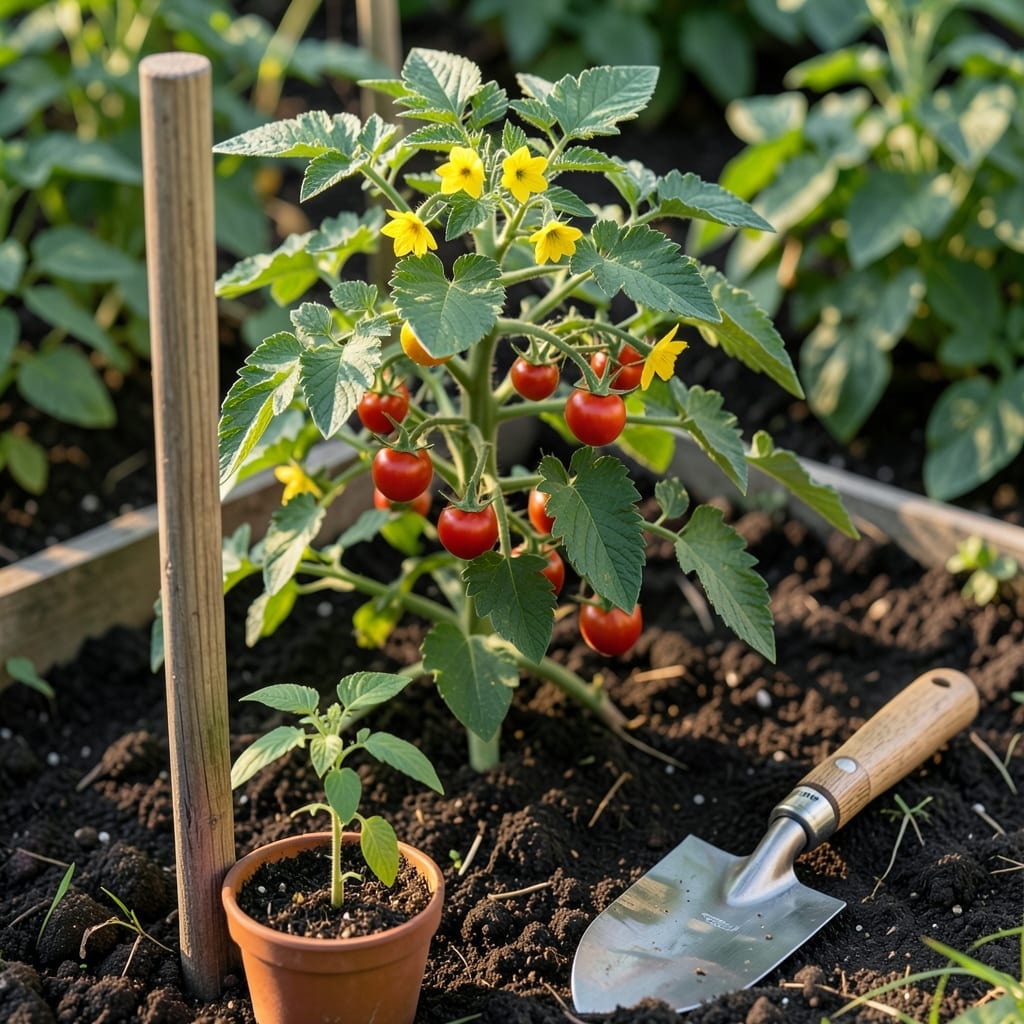
Timing is everything when growing Tomato 🍅 in Eastern North Carolina’s unique coastal climate. Plant too early and frost could ruin your crop; plant too late and the summer heat may stress your plants before they bear fruit.
In our region’s 8a zone, the window between March and April is prime. But it’s not just about the calendar—soil temperature and last frost dates matter just as much.
I’ve seen gardeners make costly mistakes by ignoring these factors. The good news? With the right timing, you can enjoy a bountiful harvest from June through October.
Discover how to nail the perfect planting window and set your Tomato plants up for success in Eastern NC’s unpredictable weather.
Eastern North Carolina’s USDA Zone 8a gives us a long growing season, but timing your tomato planting right is key. The region’s last frost date is typically around April 15, but coastal areas may see it a week earlier.
I always wait until soil temperatures reach at least 60°F before transplanting seedlings. This usually happens in mid-to-late April for most of Eastern NC, though inland areas might warm up slightly sooner.
| Stage | Action | Timing |
|---|---|---|
| Start Seeds Indoors | Sow in trays | 6-8 weeks before last frost |
| Hardening Off | Acclimate seedlings | 1-2 weeks before transplant |
| Transplant Outdoors | Move to garden | 2-3 weeks after last frost |
| Early Varieties | Plant Early Girl | Mid-March to early April |
| Main Crop | Most tomato varieties | Mid-April to early May |
For early season tomatoes like Early Girl or Stupice, I start seeds indoors in late February. This gives them enough time to mature before our hot summers arrive.
Most standard varieties should go in the ground 2-3 weeks after the last frost date. For Eastern NC, that’s typically late April to early May. This timing helps avoid both late frosts and early heatwaves.
If you’re planting cherry tomatoes like Sweet 100 or Sun Gold, you can push the envelope a bit. These heat-tolerant varieties often do well planted a week or two earlier than larger tomatoes.
Remember that coastal areas have a slightly different microclimate. The Atlantic’s influence moderates temperatures, so gardeners near Wilmington or the Outer Banks might plant a week earlier than those inland.
I always check soil temperature with a thermometer before planting. Even if air temperatures are warm, cold soil can shock young plants. Aim for consistent 60-65°F soil temps at a 4-inch depth.
For a second crop, you can plant again in late July for a fall harvest. Choose fast-maturing varieties that will ripen before the first frost around November 1. ✂️
In my experience, April 20 to May 10 is the sweet spot for most Eastern NC gardeners. This window gives your plants time to establish before the summer heat and humidity really kick in.
Eastern NC’s coastal climate brings unique challenges for tomato planting. The humidity and salt spray can stress plants, while temperature swings may delay growth if you’re not careful.
I’ve learned that hurricane season prep is just as important as planting timing. The extended growing season near the coast means you can often plant earlier than inland areas.
⚠️ Watch for Salt Spray & Humidity
Coastal gardens face salt spray and high humidity, which can lead to fungal diseases. Plant in sheltered spots and use disease-resistant varieties like ‘Celebrity’ or ‘Mountain Merit’.
The temperature fluctuations in spring can trick even experienced gardeners. One week it’s 70°F, the next it dips to 45°F. I always wait until soil temps hit a steady 60°F before transplanting.
Another tip: morning planting helps seedlings adjust before the midday heat kicks in. And don’t forget mulch—it keeps soil moisture consistent in our unpredictable weather.
If you’re near the outer banks, watch for sandy soil that drains too quickly. Amending with compost helps retain the moisture tomatoes crave.
Finally, stake or cage your plants early. Coastal winds can topple even sturdy tomato varieties if they’re not properly supported from the start.