
Beautiful Plants For Your Interior
Beautiful Plants For Your Interior
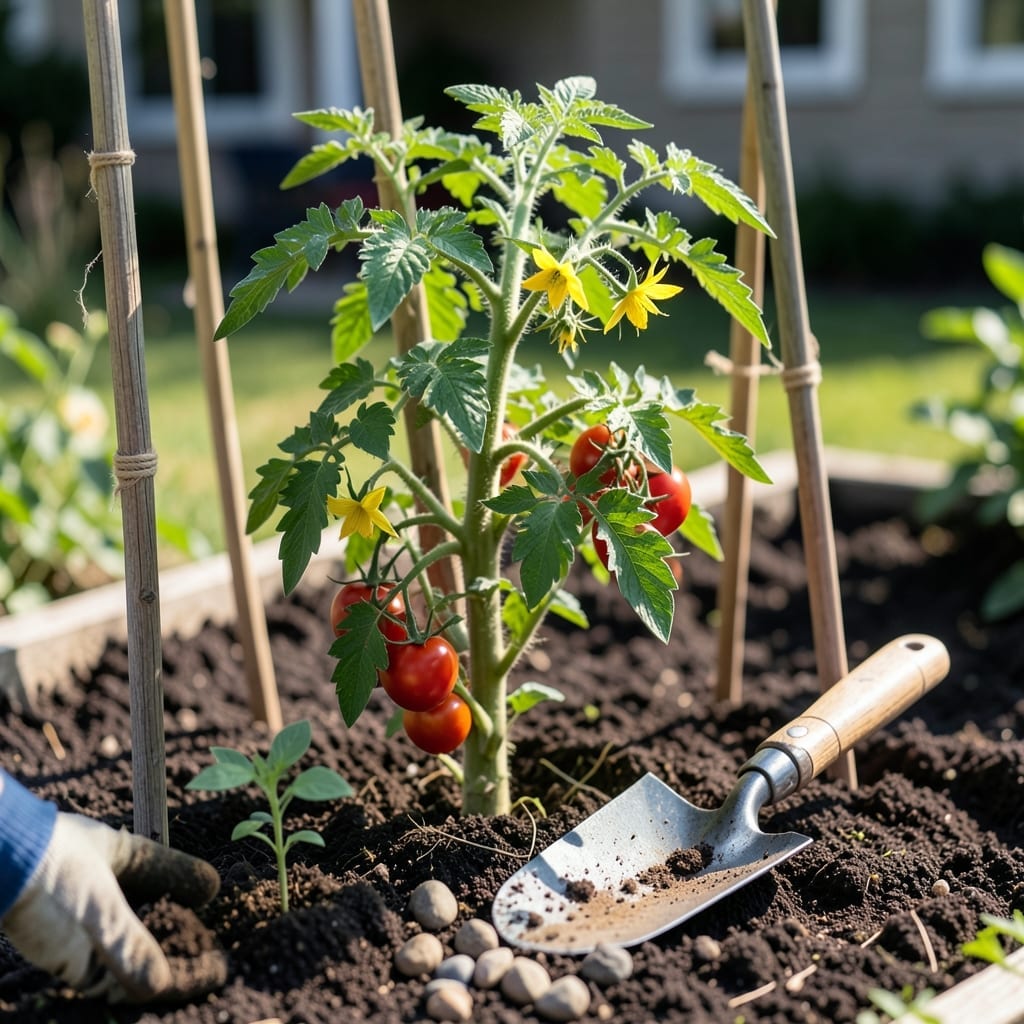
Timing is everything when growing Tomato 🍅 in Denver’s unique Zone 5b climate. Plant too early, and a late frost can wipe out your crop; plant too late, and you’ll miss the peak growing season.
Denver gardeners know the struggle of unpredictable weather. That’s why nailing the planting window is the key to a bumper harvest of juicy, homegrown tomatoes.
I’ve tested the best approaches for this region, and what I’ll share will save you from common mistakes. Whether you’re new to gardening or a seasoned pro, this guide has you covered.
Discover exactly when to get your Tomato plants in the ground for faster, healthier growth and a harvest that’ll make your neighbors jealous.
In Denver’s Zone 5b, timing your tomato planting is crucial for success. The last frost date is typically May 10, but I always wait until soil temps hit 60°F before transplanting. This usually means mid-to-late May for most varieties.
For early tomatoes like ‘Stupice’ or ‘Glacier’, you can start 2-3 weeks earlier under season extenders. But for heirlooms or late-season types, I recommend waiting until early June to avoid frost damage.
| Variety Type | Best Planting Window | Days to Maturity |
|---|---|---|
| Early (Determinate) | Mid-April to Early May | 55-65 days |
| Mid-Season | Mid-May to Early June | 70-80 days |
| Late (Indeterminate) | Late May to Early June | 80-85 days |
Denver’s microclimates can vary significantly. In warmer urban areas, I’ve successfully planted as early as late April using wall-o-waters or cloches. But in cooler suburbs, it’s safer to stick to the standard May 10 guideline.
For direct sowing, wait until soil is consistently warm. I’ve found that early June works best for cherry tomatoes like ‘Sweet 100’. Remember, Denver’s growing season is short, so transplants give you a head start over seeds.
If you’re eager to start earlier, consider container gardening. I move my potted tomatoes outdoors during warm days and back inside when temperatures drop. This lets me start 2-3 weeks earlier than in-ground planting.
For fall tomatoes, I plant a second crop around July 15. Varieties like ‘Early Girl’ can mature before the first frost in mid-October. Just be prepared to cover plants if an early cold snap hits.
I always check the 10-day forecast before planting. Denver’s weather can change rapidly, and I’ve lost seedlings to late May snow more than once. When in doubt, wait a week—it’s better than risking your entire crop.
Remember that soil preparation is just as important as timing. I amend my Denver clay soil with compost and aged manure to improve drainage. Tomatoes hate wet feet, so well-draining soil is non-negotiable.
Finally, consider succession planting. I stagger my tomato plantings every 2 weeks through early June. This ensures a continuous harvest rather than one big flush of tomatoes. It’s a game-changer for Denver gardeners working with a short season.
With these timing strategies, you’ll maximize your tomato harvest in Denver’s challenging but rewarding climate ☀️
Denver’s Front Range climate keeps gardeners on their toes with late frosts, sudden hail storms, and wild temperature swings. Protecting your tomato seedlings is key to a strong start.
I’ve learned the hard way that even a light frost can set back tender plants by weeks. Row covers and cloches are my go-to for shielding plants during cold snaps.
For temperature swings, I recommend hardening off seedlings gradually. Start with 2 hours of sun daily, increasing over 7-10 days. This builds resilience.
Hail protection is non-negotiable in Denver. I keep floating row covers on hand and can deploy them in under 5 minutes. They’re lightweight but incredibly effective.
Don’t forget about soil temperature. Even if air temps are warm, cold soil can shock roots. Use black plastic mulch to warm the ground before planting.
Finally, windbreaks help in exposed areas. A simple burlap screen can reduce wind stress and prevent stem breakage. It’s a small effort for big rewards. 🌱