
Beautiful Plants For Your Interior
Beautiful Plants For Your Interior
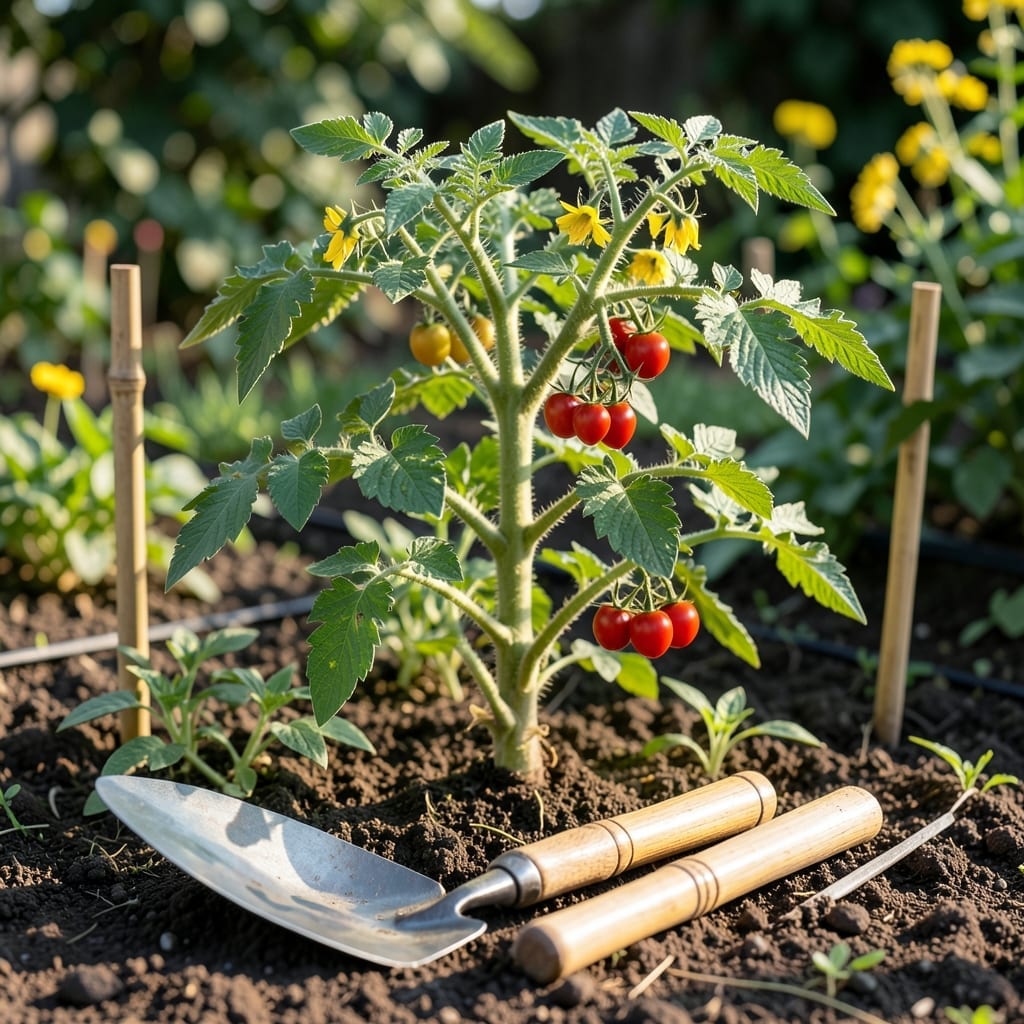
Timing your tomato planting in Atlanta can make or break your harvest. Get it right, and you’ll enjoy juicy 🍅 all season long.
I’ve seen too many gardeners jump the gun, only to watch their plants struggle through unexpected frosts. Atlanta’s climate has unique quirks you need to understand.
From soil temperature to frost dates, there are key factors that determine the perfect planting window. Trust me, a little patience pays off big time.
Let me walk you through everything you need to know to plant your Tomatoes at exactly the right time for Atlanta’s growing conditions.
Atlanta’s last frost date typically falls around April 15, making this your green light for planting. I always wait until soil temperatures hit a consistent 60°F before setting out seedlings.
This timing works perfectly for determinate tomatoes, which grow to a set size. For indeterminate varieties, I start seeds indoors 6-8 weeks earlier to get a head start.☀️
| Planting Window | Variety | Soil Temp | Notes |
| Mid-March | Indeterminate | 60°F+ | Start indoors for early harvest |
| Mid-April | Determinate | 60°F+ | Direct sow after last frost |
| Late April | Both | 65°F+ | Transplant seedlings outdoors |
I’ve found that early-season varieties like ‘Early Girl’ thrive when planted in mid-March under cover. For main crop tomatoes, I aim for mid-April planting dates.
Atlanta’s long growing season (about 230 frost-free days) lets me plant a second crop in late July for fall harvests. I always choose heat-tolerant varieties for this.
Soil prep is crucial. I test my soil’s pH level (aim for 6.2-6.8) and work in compost before planting. This gives my tomatoes the nutrient boost they need.
For container gardening, I use 5-gallon pots minimum. The key is ensuring good drainage and consistent moisture levels throughout the season.
I’ve learned to watch for late frosts even after April 15. Atlanta’s weather can be unpredictable, so I keep frost cloth handy just in case.
Remember, tomatoes need full sun – at least 6-8 hours daily. I position my plants where they’ll get morning sun and some afternoon shade in our hot summers.
By following these Atlanta-specific timing tips, I consistently get healthy plants and abundant harvests from June through October.🌱
Atlanta’s late frosts can sneak up on even experienced gardeners. I’ve lost count of how many young tomato plants I’ve seen damaged by a surprise cold snap in early April. The key is being prepared before the forecast changes.
One of the simplest ways to shield your plants is with frost blankets or row covers. These lightweight fabrics trap heat from the soil, keeping your tomatoes 5-10°F warmer than the air temperature. ☀️
Another trick is to leverage microclimates in your yard. A south-facing wall or paved area absorbs heat during the day and radiates it at night, creating a warmer pocket for your tomatoes.
I always recommend starting seeds indoors in early March. This gives your plants a head start, so they’re stronger and larger when you transplant them after the last frost date.
Don’t forget to harden off your seedlings before moving them outside. A week of gradual exposure to outdoor conditions makes them less shock-prone when temperatures dip unexpectedly. 🌱
Finally, keep an eye on the 10-day forecast. If a late frost is predicted, have your protection methods ready to deploy at a moment’s notice. A little preparation can save your entire crop.