
Beautiful Plants For Your Interior
Beautiful Plants For Your Interior
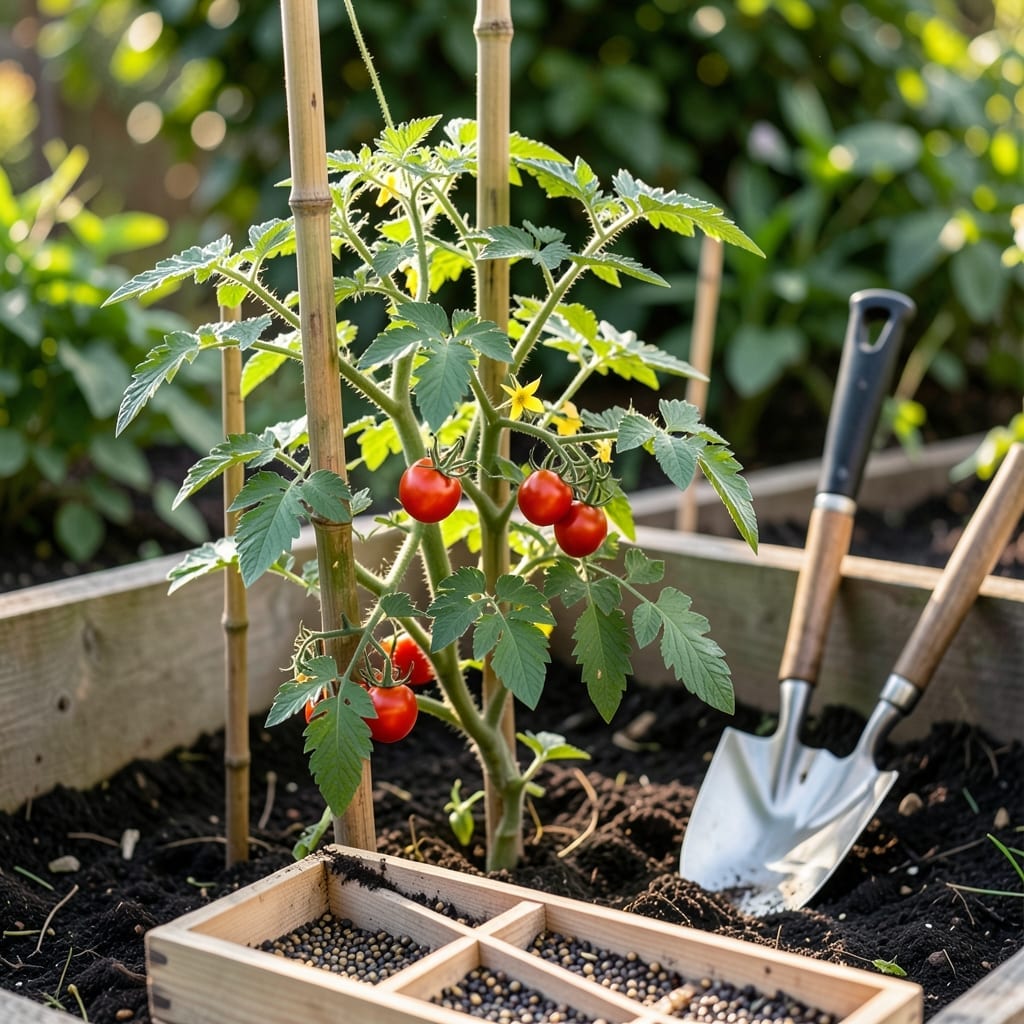
Timing is everything when growing Tomato plants in Georgia—plant too early and frost may kill your seedlings, too late and you’ll miss the prime growing season.
In our 7b-8a zones, getting this right means the difference between a bountiful harvest and a disappointing one. The 🍅 Tomato thrives when started at just the right moment.
I’ve learned through experience that Georgia’s climate demands precision. Whether you’re in the north or south of the state, the window for success is narrow but rewarding.
Discover the exact timing that works for your region and set your garden up for success this spring.
Georgia spans USDA hardiness zones 7a-8b, which means planting times vary. In northern Georgia, the last frost typically hits around April 15, while southern regions often see it earlier. This variation directly impacts when to start your tomato seeds for the best results.
For most of Georgia, I recommend starting tomato seeds indoors about 6-8 weeks before your area’s last frost date. This gives seedlings enough time to grow strong before transplanting. In Zone 7a, that means sowing seeds in early March, while Zone 8b gardeners can start as early as mid-February. ☀️
| Georgia Region | USDA Zone | Last Frost Date | Indoor Seed Start | Outdoor Transplant |
|---|---|---|---|---|
| Northern Georgia | 7a-7b | April 15 | Early March | Late April |
| Central Georgia | 7b-8a | April 1-10 | Mid-March | Mid-April |
| Southern Georgia | 8a-8b | March 15-20 | Mid-February | Early April |
I’ve found that microclimates can shift these dates slightly. If you live near urban areas or large bodies of water, your last frost may come later. Always check local weather patterns and use a soil thermometer to confirm conditions.
For early varieties like ‘Early Girl’ or ‘Stupice’, you can push the start date 1-2 weeks earlier. These tomatoes mature faster, so they handle Georgia’s short spring well. Larger beefsteak varieties need the full growing season, so stick to the standard timeline. 🌱
If you’re in Zone 8b, you might even try direct sowing seeds outdoors in late March, but I don’t recommend it for most gardeners. Transplanting seedlings gives you more control over early growth and protects young plants from unexpected cold snaps.
Remember, soil temperature is critical. Tomato seeds germinate best at 70-80°F. In Georgia, outdoor soil rarely reaches this until late April, which is why indoor starting is so effective. Use a heat mat if your home stays cooler.
I always tell fellow Georgia gardeners: watch the forecast. A late frost can wipe out young plants, so keep an eye on 10-day weather trends before transplanting. If a cold snap is coming, cover seedlings with frost cloth or bring pots indoors.
Finally, hardening off is essential. About 7-10 days before transplanting, start exposing seedlings to outdoor conditions gradually. This prevents transplant shock and helps them adapt to Georgia’s humid climate. 🌿
Starting tomato seeds indoors in Georgia gives your plants a head start before the last frost passes. I begin by gathering seed trays, potting mix, and a grow light to ensure strong, healthy seedlings. The key is maintaining consistent warmth and moisture for germination.
First, fill your seed trays with a well-draining seed-starting mix. Plant seeds ¼ inch deep and mist lightly with water. Cover trays with plastic wrap to retain humidity, and place them in a warm spot (around 70-80°F). A heat mat can help if your home is cooler.
Once seeds sprout, move trays under grow lights or to a sunny window. Georgia’s spring sunlight isn’t always enough, so I recommend supplemental lighting for 12-16 hours daily. This prevents leggy seedlings and promotes strong growth.
When seedlings develop their first true leaves, begin fertilizing with a diluted liquid fertilizer every 2 weeks. I use a 5-10-10 formula to support root and stem development. Keep the soil evenly moist but avoid overwatering to prevent damping off. 🌱
Hardening off is critical before transplanting. About 7-10 days before moving seedlings outdoors, gradually expose them to outside conditions. Start with 1-2 hours of shade and increase daily. This helps seedlings adapt to Georgia’s wind and sun intensity.
Finally, transplant seedlings after the last frost date for your zone. In Georgia, this ranges from mid-March to mid-April. I always check the 10-day forecast to avoid late frost surprises. With proper care, your tomato plants will thrive in Georgia’s warm growing season. 🌿