
Beautiful Plants For Your Interior
Beautiful Plants For Your Interior
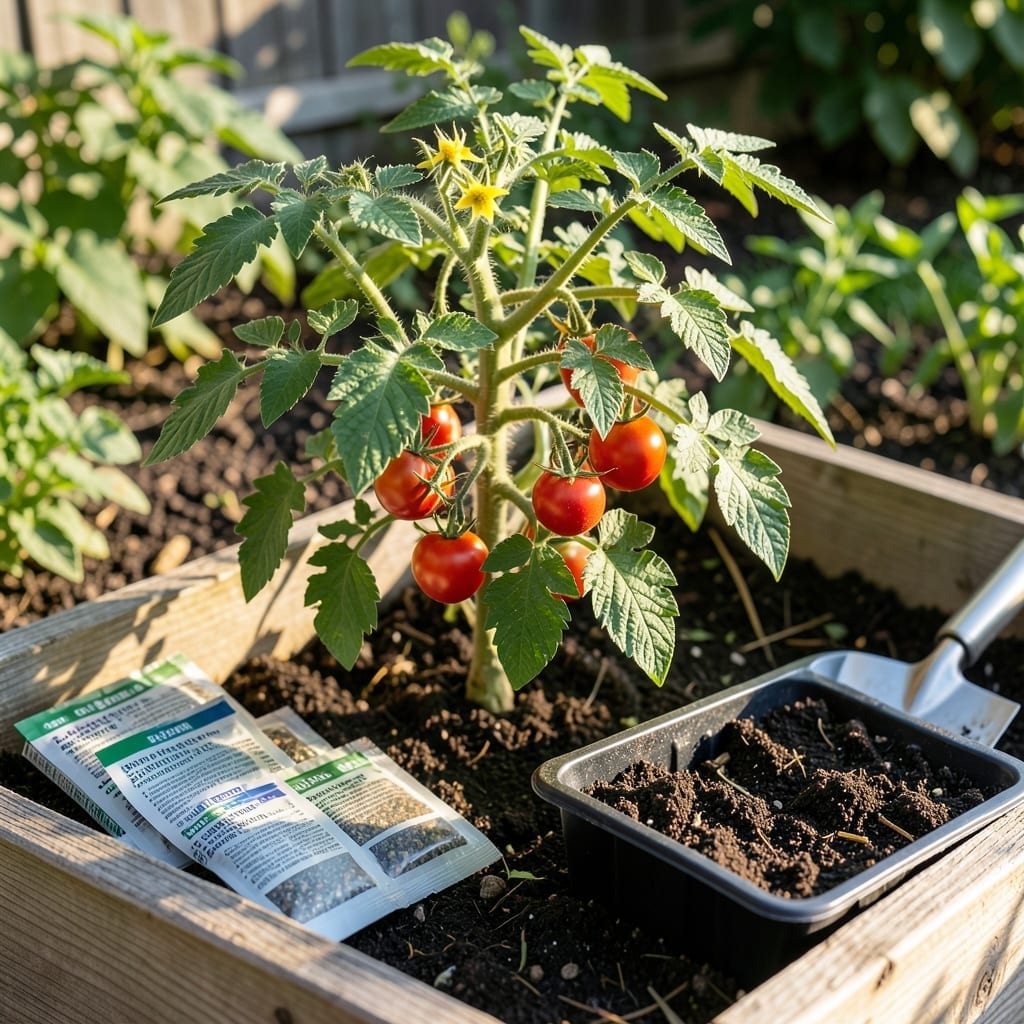
Timing is everything when it comes to growing Tomato in California. Plant your seeds too early or too late, and you risk stunted growth, poor yields, or even crop failure.
I’ve learned through trial and error that getting the timing right makes all the difference. Whether you’re in Northern or Southern California, the key is understanding your local climate and frost dates.
With 340 frost-free days in zone 10a, the Tomato planting window is generous but precise. You’ll want to start seeds indoors 6-8 weeks before your last frost date for the best results.
Let me walk you through the exact timing and techniques that will set you up for a bountiful harvest. The difference between success and struggle often comes down to just a few weeks.
California spans USDA zones 7-11, each with unique tomato planting windows. In cooler zones like 7-8, you’ll need to start seeds indoors earlier to avoid late frosts. I always check my local frost dates first.
The golden rule is soil temperature must reach 60°F for germination. In warmer zones like 9-11, you can direct sow earlier, but indoor starts still give a head start.
| Zone | Indoor Start | Outdoor Plant | Last Frost |
| 7-8 | Feb-March | April-May | March 15-April 15 |
| 9-10 | Jan-Feb | March-April | Feb 15-March 1 |
| 11 | Dec-Jan | Feb-March | Jan 15-Feb 1 |
In Northern California, zone 7-8 gardeners often wait until mid-April to transplant seedlings outdoors. I’ve found that starting seeds indoors in late February works best for my area.
Southern California gardeners in zones 10-11 can start seeds as early as December for an early spring crop. The mild winters allow for nearly year-round growing in some areas.
For fall planting, aim to start seeds 12-14 weeks before your first frost date. In zone 10a, that means sowing in July-August for a winter harvest.
Remember, microclimates matter in California. Coastal areas stay cooler longer, while inland valleys heat up quickly. I always use a soil thermometer to confirm conditions.
If you’re in a foggy coastal zone, you might need to wait an extra 2-3 weeks compared to inland areas. The sun exposure and wind protection can make a big difference.
For the best results, I recommend starting seeds indoors under grow lights. This gives you more control over temperature and light, especially in early spring when days are shorter.
Once seedlings have 2-3 true leaves, they’re ready to harden off. I gradually introduce them to outdoor conditions over 7-10 days before transplanting.
No matter your zone, consistent moisture is key during germination. I use a spray bottle to keep the soil damp but not soggy, and always plant in well-draining seed starting mix ☀️
Starting tomato seeds indoors gives you a 6-8 week head start on the growing season. I’ve found this method especially useful in cooler zones 7-8 where spring nights stay chilly longer.
In warmer zones 9-11, direct sowing outdoors works well once soil reaches 60°F. But indoor starts still help avoid unpredictable late frosts or heat spikes.
For indoor starts, I use grow lights set 2-3 inches above seedlings for 14-16 hours daily. This prevents leggy growth while waiting for transplant time.
Outdoor sowing works best when daytime temps consistently hit 70°F+. In Southern California, this can be as early as March, while Northern CA may need to wait until May.
I always harden off seedlings before transplanting, regardless of start method. This means gradually exposing them to outdoor conditions over 7-10 days to prevent shock.
Remember, seed depth matters. Plant seeds 1/4 inch deep in moist, well-draining mix. Keep soil consistently damp but never waterlogged for best results. ☀️