
Beautiful Plants For Your Interior
Beautiful Plants For Your Interior
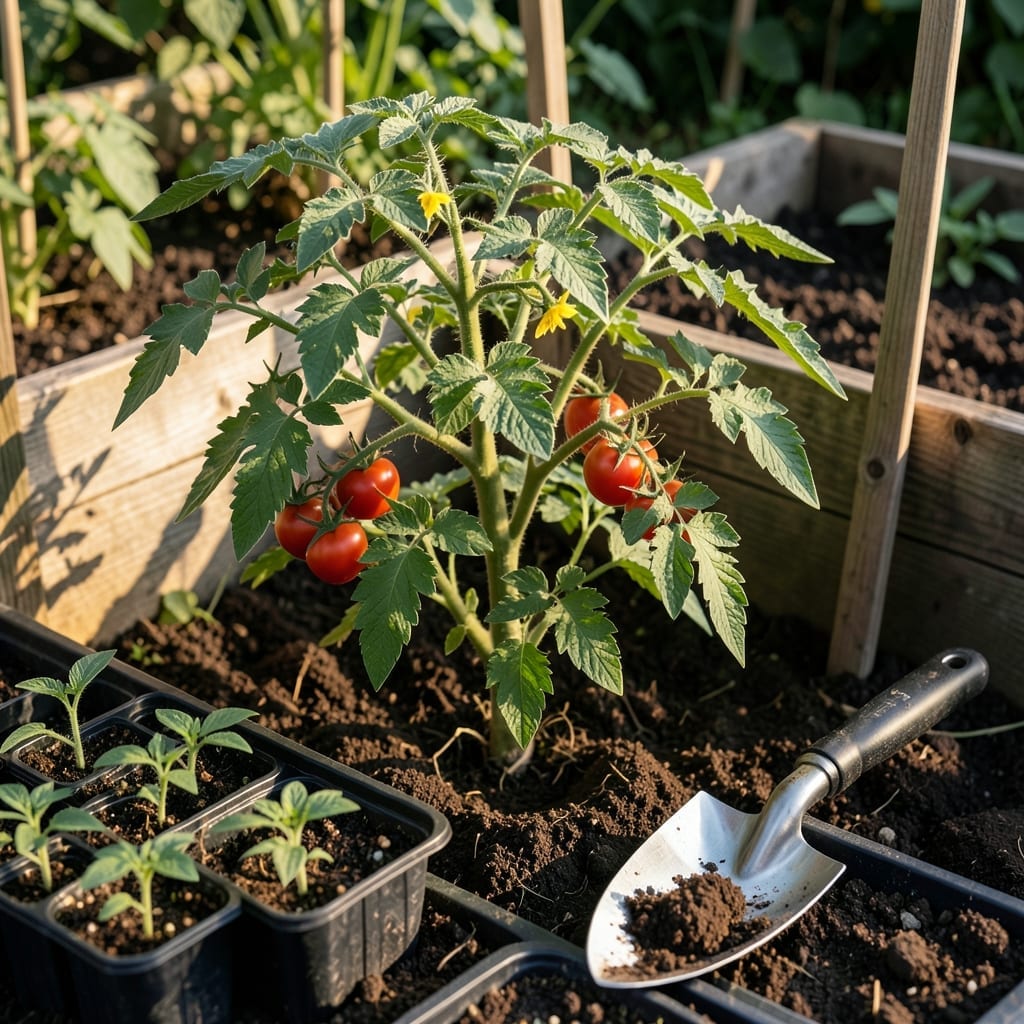
Planting Tomato seedlings at the wrong time can mean the difference between a thriving garden and a disappointing harvest. I’ve seen firsthand how timing impacts growth and yield.
In zone 6, the sweet spot for transplanting is typically April to May, after the last frost date passes. This window gives your 🍅 plants the best chance to establish strong roots before summer heat arrives.
But soil temperature matters just as much as calendar dates. Waiting until the earth warms to 60°F prevents shock and ensures your seedlings take off running.
Let me walk you through the exact timing and preparation steps that will set your Tomato plants up for success this season.
Timing is everything when planting tomato seedlings. Plant too early, and frost damage can wipe out your crop. Plant too late, and you’ll miss the optimal growing season for a strong harvest.
I always check my USDA hardiness zone first. The last frost date is my guide, but soil temperature matters just as much—60°F or warmer is ideal for transplanting.
| USDA Zone | Last Frost Date | Planting Window | Soil Temp Requirement |
|---|---|---|---|
| 3-4 | May 15 | Late May – Early June | 60°F+ |
| 5-6 | April 15 | Mid-April – Early May | 60°F+ |
| 7-8 | March 15 | Late March – Early April | 60°F+ |
| 9-10 | February 15 | Mid-February – Early March | 60°F+ |
In cooler zones like 3-4, I wait until late May to avoid late frosts. Zone 5-6 gardeners can start mid-April after the last frost, but I always double-check the 10-day forecast first.
For warmer zones 7-10, planting can begin as early as February or March. But even in mild climates, I confirm soil temps with a soil thermometer—cold soil stunts growth.
Determinate tomatoes like Roma or Bush Early Girl do well in shorter seasons. I plant these first in zone 5 to ensure they mature before fall frosts hit.
Indeterminate varieties such as Beefsteak or Cherokee Purple need a longer growing season. In zone 6, I start these indoors 6-8 weeks before transplanting after the last frost.
If you’re in zone 9-10, you can grow tomatoes year-round in some areas. I take advantage of this by succession planting every 6-8 weeks for continuous harvests.
Remember, microclimates matter. A south-facing wall or urban heat island can create warmer pockets. I use a soil thermometer to check temps in different garden spots.
For the best results, I harden off seedlings for 7-10 days before transplanting. This means gradually exposing them to outdoor conditions to prevent shock.
Finally, I always mulch heavily after planting to retain soil warmth and moisture. This is especially critical in early spring when nights can still be chilly.
Transplanting tomato seedlings requires careful preparation to avoid shock and ensure strong growth. I always start by hardening off my seedlings for 7-10 days before moving them outside.
This means gradually exposing them to outdoor conditions, starting with 1-2 hours of shade and increasing daily. By the end, they should tolerate full sun and gentle breezes.
I always prepare the soil first by adding compost and a balanced fertilizer. This gives the seedlings a nutrient boost right from the start.
When planting, I bury 2/3 of the stem to encourage more root growth. The little hairs on the stem will develop into roots, making the plant more stable.
After transplanting, I water thoroughly to help the soil settle around the roots. I also add mulch to keep the soil warm and moist, especially in early spring.
For the first week, I check my seedlings daily for signs of transplant shock, like wilting. If needed, I provide temporary shade to help them recover.
Within 2-3 weeks, my seedlings are usually well-established and ready to grow. This careful approach helps me get a strong start on the season.
I also keep an eye on the weather forecast after transplanting. If a cold snap is expected, I cover my seedlings with frost cloth for protection.