
Beautiful Plants For Your Interior
Beautiful Plants For Your Interior
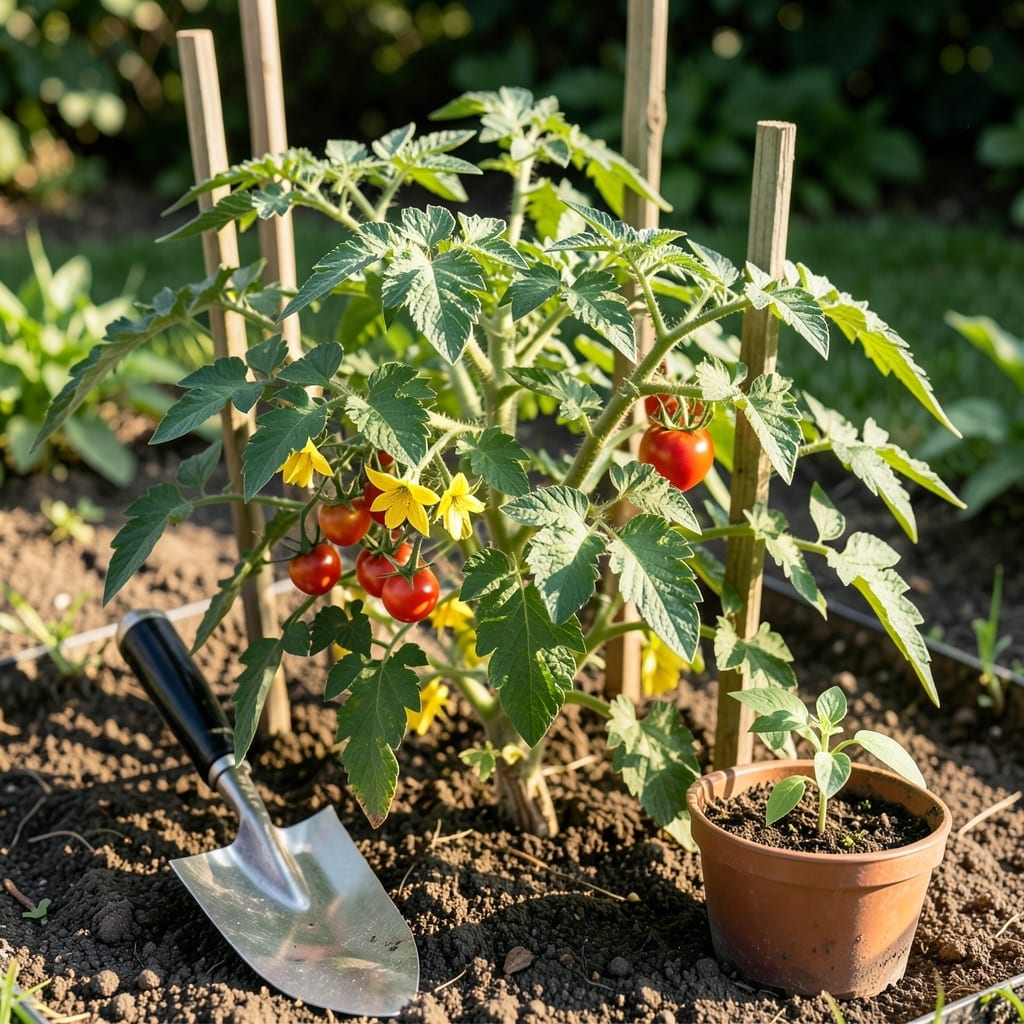
Timing is everything when planting Tomato plants in PA, where unstable spring weather can make or break your harvest. Get it right, and you’ll enjoy juicy, homegrown 🍅 all summer.
In zones 6a-7b, the window is tight but rewarding. Plant too early, and frost could wipe out your efforts. Wait too long, and you’ll miss the prime growing season.
I’ve learned the hard way that timing isn’t just about the calendar. Soil temperature and frost dates play a huge role in your success.
Let me show you exactly when to plant and how to protect your Tomato plants for the best possible harvest in Pennsylvania.
Pennsylvania spans USDA zones 5-7, with most gardeners in 6a-7b. Each zone has a slightly different last frost date, which dictates when it’s safe to plant tomatoes outdoors.
In zone 6a, the last frost typically hits around April 15, while zone 7b often sees its final frost by April 1. These dates are your green light for transplanting seedlings.
| Zone | Last Frost Date | Planting Window | Soil Temp Requirement |
|---|---|---|---|
| 5 | April 20 | May 1-15 | 60°F+ |
| 6a | April 15 | April 20-May 5 | 60°F+ |
| 7b | April 1 | April 10-25 | 60°F+ |
Soil temperature is just as critical as air temperature. I always use a soil thermometer to confirm it’s at least 60°F before planting. Cold soil can shock seedlings and stunt growth.
For early varieties like ‘Early Girl’, you can plant a week or two before the last frost date if you’re using row covers or cloches for protection. These varieties mature in about 50-60 days.☀️
Mid-season tomatoes, such as ‘Celebrity’, need a longer window—about 70 days. Plant these after the last frost date when the soil has warmed up sufficiently.
Late-season varieties like ‘Beefsteak’ require 80-90 days to mature. In Pennsylvania, these should go in the ground by early May to ensure a harvest before the first fall frost.
If you’re eager to get a head start, begin seeds indoors 6-8 weeks before the last frost date. This gives your plants a strong foundation before transplanting. I’ve found this method especially helpful for heirloom varieties that need extra time.🌱
Remember, Pennsylvania’s weather can be unpredictable. Even after the last frost date, a surprise cold snap can occur. Keep an eye on the 10-day forecast and be prepared to cover your plants if temperatures dip below 40°F.
Using black plastic mulch can help warm the soil faster in spring. I’ve seen this technique speed up growth by 1-2 weeks in cooler zones. It’s a simple way to give your tomatoes a boost.🌿
Pennsylvania’s unpredictable spring weather can catch even experienced gardeners off guard. I’ve seen late frosts wipe out entire tomato patches overnight in zone 6a-7b. The key is preparation before the cold hits.
Young tomato plants are especially vulnerable when temperatures dip below 32°F. Even a light frost can damage leaves and stunt growth for weeks. Don’t risk your harvest.
⚠️ Late Frost Alert
Row covers and cloches are your best defense. Always remove them during the day to prevent overheating and allow pollination.
I recommend using floating row covers for larger plantings. They’re lightweight and provide 2-4°F of frost protection. For individual plants, glass cloches or plastic milk jugs work wonders.
Starting seeds indoors 6-8 weeks before the last frost gives your plants a head start. This way, they’ll be strong enough to handle minor temperature fluctuations when transplanted.
One common mistake I see is leaving covers on too long. Remove them by mid-morning to prevent heat buildup. Also, ensure covers are secured tightly to avoid wind damage.
Avoid planting in low-lying areas where cold air settles. Instead, choose raised beds or south-facing slopes for better drainage and warmth. This small change can make a big difference.
With these precautions, your tomato plants will thrive despite Pennsylvania’s finicky spring weather ☀️