
Beautiful Plants For Your Interior
Beautiful Plants For Your Interior
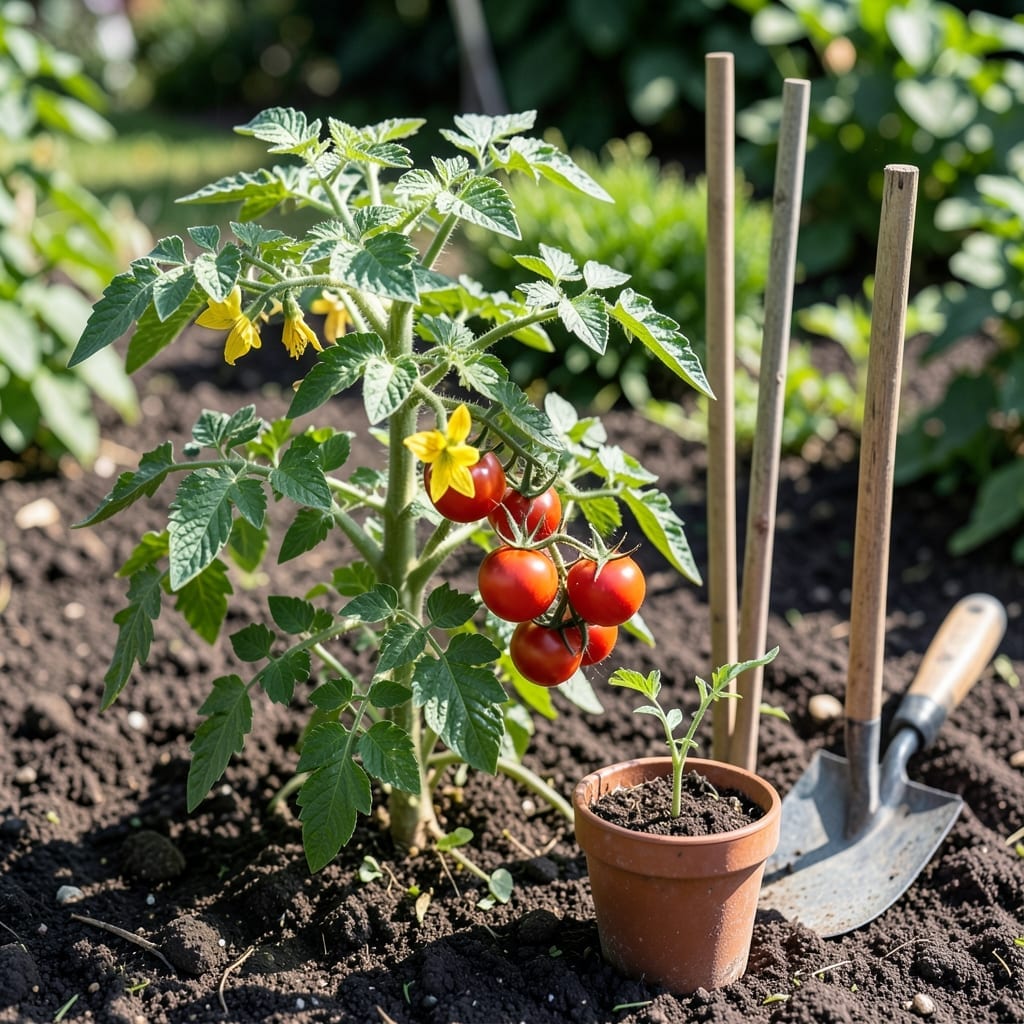
Timing is everything when it comes to planting 🍅 Tomato plants in Missouri. Plant too early, and frost can wipe out your crop; plant too late, and you’ll miss the peak growing season.
Missouri’s 6a climate means you’ve got a narrow window to get it right. The difference between a lackluster harvest and a bumper crop often comes down to just a few weeks.
I’ve learned the hard way that waiting for that perfect moment makes all the difference. The soil needs to be warm, the air needs to be stable, and your seedlings need to be ready.
Discover the exact timing that’ll set you up for the best results this growing season. Your future self—and your taste buds—will thank you.
Missouri’s diverse climate means tomato planting times vary by region. Northern areas like Kansas City typically see their last frost around April 15, while southern regions like Springfield may be frost-free by early April.
For the best results, I always wait until soil temperatures reach 60°F at a 4-inch depth. This ensures tomato seedlings won’t be shocked by cold earth, which can stunt growth or even kill young plants.
| Region | Last Frost Date | Planting Window | Soil Temp |
|---|---|---|---|
| Northern Missouri | April 15 | Mid-April to May | 60°F+ |
| Central Missouri | April 10 | Early April to May | 60°F+ |
| Southern Missouri | March 25 | Late March to April | 60°F+ |
In northern Missouri, I recommend starting tomato seeds indoors about 6-8 weeks before the last frost date. This gives seedlings enough time to develop strong root systems before transplanting.
For central Missouri, the window opens a bit earlier. Gardeners here can often get away with direct sowing in early April if the weather has been unseasonably warm and soil temps are stable.
Down in southern Missouri, the growing season starts earliest. I’ve seen fellow gardeners plant as early as late March with great success, especially when using black plastic mulch to warm the soil faster.
Remember, these are general guidelines. I always check the 10-day forecast before planting. A late cold snap can ruin weeks of preparation, so I keep frost cloth on hand just in case.
Determinate varieties like ‘Roma’ or ‘Celebrity’ are great for Missouri’s climate. They mature faster and produce a concentrated harvest, which is ideal for our shorter growing season in some areas.
For those in urban areas like St. Louis, microclimates can create pockets where planting is possible a week or two earlier. I’ve found that south-facing walls or paved areas retain heat, creating perfect spots for early tomatoes.
No matter where you are in Missouri, I strongly recommend hardening off seedlings for 7-10 days before transplanting. This gradual exposure to outdoor conditions helps prevent transplant shock and gives your tomatoes the best start possible. ☀️
Getting your Missouri garden ready for tomato planting is about more than just timing. I always start with a soil test to check pH levels, aiming for 6.0-6.8 for optimal nutrient uptake.
Next, I work in 2-3 inches of compost to improve soil structure and fertility. This gives your tomato plants the rich foundation they need to thrive in Missouri’s variable clay soils.
For seedling preparation, I begin hardening off my tomatoes about 10 days before transplanting. This means gradually exposing them to outdoor conditions, starting with just a few hours of shade.
I’ve found that determinate varieties like ‘Celebrity’ or ‘Mountain Merit’ perform exceptionally well in Missouri. They’re disease-resistant and produce reliable yields in our climate’s humidity and temperature swings.
Don’t forget about early season protection. Even after the last frost date, I keep row covers handy for unexpected cold snaps. A wall o’ water can also provide extra warmth for early plantings.
Finally, I always mulch heavily after planting to retain moisture and suppress weeds. Straw or shredded leaves work great and break down over the season, adding organic matter to the soil. 🌱