
Beautiful Plants For Your Interior
Beautiful Plants For Your Interior
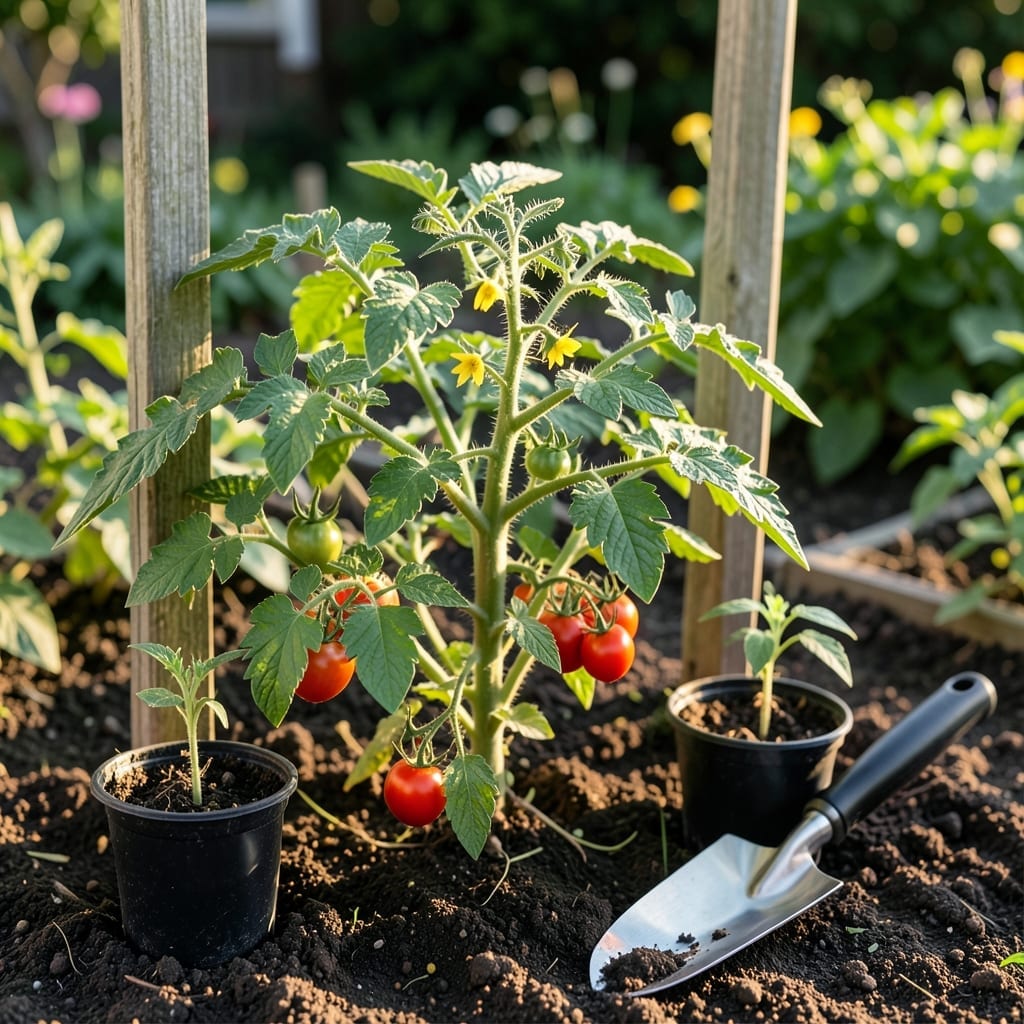
Timing is everything when it comes to growing juicy, flavorful Tomato 🍅 in Houston’s unique climate. Plant too early or too late, and you risk stunted growth, disease, or a poor harvest.
Houston’s 9a zone offers a long growing season, but getting the timing right is the key to success. The difference between a thriving garden and a disappointing one often comes down to just a few weeks.
I’ve learned through trial and error that the planting window here is February to March. This timing helps avoid frost damage while giving your plants the best start before the summer heat kicks in.
Discover how to align your planting schedule with Houston’s climate for the best results. It’s simpler than you think, and I’ll walk you through every step.
Houston’s USDA Zone 9a offers two prime windows for planting tomatoes. I’ve found the spring season works best from mid-February to early March, just after the last frost date of February 15. This timing avoids late cold snaps.
For a fall harvest, aim for late August to early September. This lets plants mature before the first frost hits around December 1. Both windows take advantage of Houston’s long growing season.
| Season | Planting Window | Soil Temp |
|---|---|---|
| Spring | Feb 15 – Mar 10 | 60-70°F |
| Fall | Aug 20 – Sep 10 | 60-70°F |
I always check soil temperature with a thermometer before planting. Tomatoes need 60-70°F soil to thrive. Houston’s clay soil warms slowly, so I cover beds with black plastic a week early to speed things up.
Urban gardeners may plant 1-2 weeks earlier due to the heat island effect. Suburban areas often run cooler, so I adjust accordingly. Microclimates matter in Houston’s sprawling metro area.
For determinate varieties like Roma or Celebrity, I stick to the early spring window. These compact plants produce one big harvest. Indeterminate types like Cherokee Purple do well in both seasons.
I’ve learned to watch the 10-day forecast closely. A late cold snap in March can kill young plants. I keep frost blankets handy just in case, especially for early plantings.
Houston’s humidity means fungal diseases are a real threat. I space plants 2-3 feet apart for airflow. In fall, I choose disease-resistant varieties like Mountain Merit to combat moisture issues.
The fall window is shorter but can yield a second harvest before winter. I start seeds indoors in July for August transplanting. This gives plants a head start before cooler weather slows growth.
Remember, Houston’s 300 frost-free days give us flexibility. But timing is still critical. I mark my calendar for February 15 and August 20 as my planting reminders every year. ☀️
Houston’s naturally clay-heavy soil can be tough on tomato roots, so I always start with a soil test to check pH levels. Aim for 6.0-6.8 for optimal nutrient uptake and healthy growth. 🌱
Next, I work in plenty of organic matter like compost or aged manure to improve drainage and aeration. This helps prevent blossom end rot, a common issue in our region.
I also recommend adding peat moss to lighten the soil, especially in urban areas where compaction is common. This creates a looser texture that tomato roots love. 🌿
For extra protection, I use raised beds filled with a custom soil mix. This gives me more control over drainage and nutrient content, which is key for Houston’s unpredictable weather.
Don’t forget to mulch heavily after planting. This helps retain moisture and keeps soil temperatures stable, which is crucial during our hot summers. ✂️
Finally, I always water deeply after planting to help roots establish. Houston’s heat means you’ll need to monitor soil moisture closely, especially in the first few weeks. 💧