
Beautiful Plants For Your Interior
Beautiful Plants For Your Interior
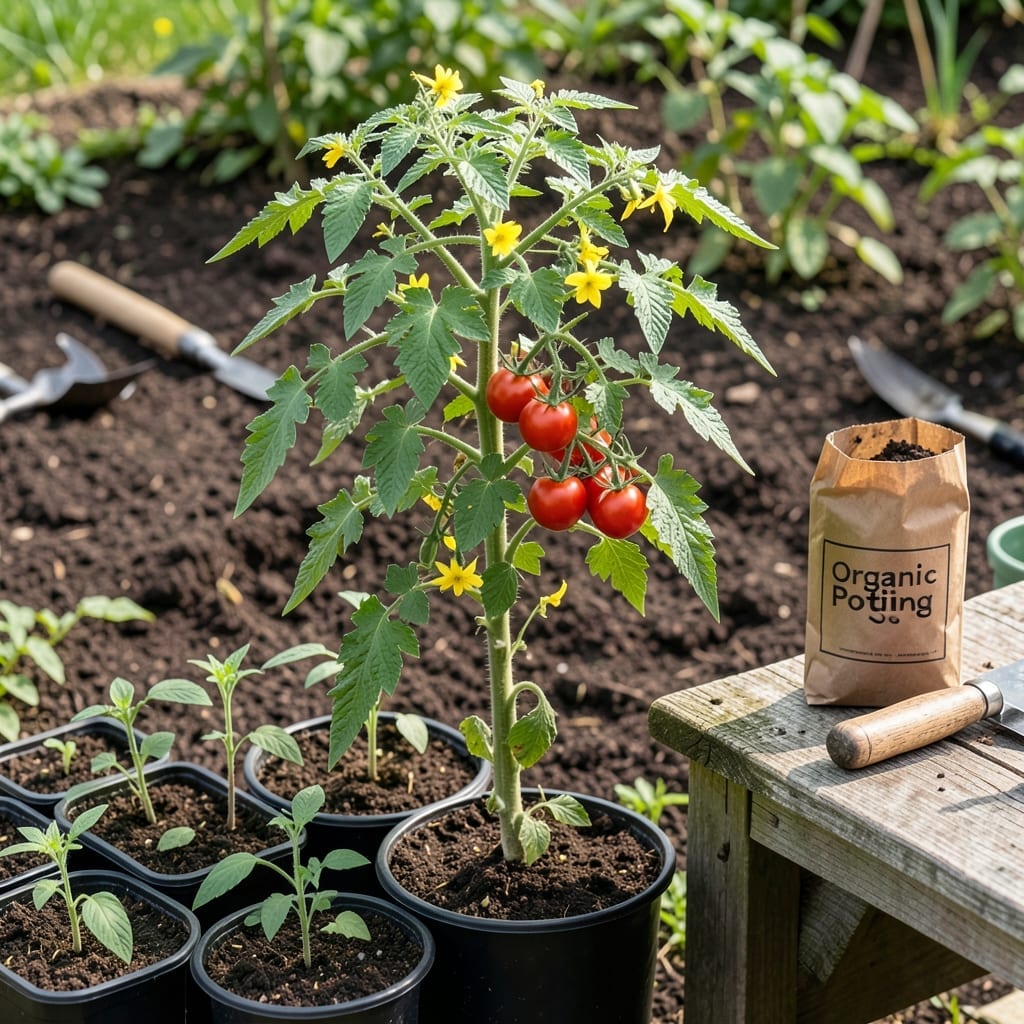
Timing can make or break your tomato harvest when using grow bags. Plant too early and frost might wipe out your seedlings; too late and you could miss the peak growing window.
For Zone 6 gardeners, the sweet spot is typically April to May, after the last frost date passes. This gives your 🍅 Tomato plants the warm soil they crave to thrive in containers.
Grow bags offer unique advantages like better drainage and root aeration, but they also dry out faster. Getting the timing right ensures your plants establish strong roots before summer heat kicks in.
Discover how to align your planting schedule with local conditions for the juiciest, most productive tomatoes all season long.
Timing your tomato planting in grow bags depends on your climate zone and last frost date. In warmer regions, you can start as early as March, while cooler areas should wait until May to avoid frost damage. Grow bags warm up faster than ground soil, giving you a slight head start.
For USDA zones 3-5, wait until 2 weeks after your last frost date. In zones 6-7, you can plant early April to mid-May. Southern gardeners in zones 8-10 can begin planting as early as February or March for an extended growing season.
| Zone | Planting Window | Last Frost Date |
|---|---|---|
| 3-4 | Mid-May to June | May 15 |
| 5-6 | April to Mid-May | April 15 |
| 7-8 | March to April | March 30 |
| 9-10 | February to March | February 15 |
Grow bags offer better drainage and soil aeration than traditional pots, but they also dry out faster. This means you’ll need to monitor soil moisture closely, especially in hot climates. Planting in the morning helps seedlings adjust before the heat of the day.
For early varieties like ‘Early Girl’, you can plant 2-3 weeks earlier than recommended dates. Heirloom tomatoes often need the full season, so stick to standard planting times. Always check your local weather forecast for late frosts, even after the average last frost date.
In cooler coastal areas, wait until soil temperatures reach at least 60°F. Use a soil thermometer to be sure. If nights are still chilly, consider cloches or row covers to protect young plants. Grow bags can be moved indoors if an unexpected cold snap threatens.
For container gardening, choose determinate varieties like ‘Patio Princess’ or ‘Tiny Tim’ for smaller grow bags. Indeterminate varieties need larger bags and sturdy supports. Remember that container-grown tomatoes may ripen 1-2 weeks earlier than in-ground plants due to warmer root zones.
If you’re in a short-season area, start seeds indoors 6-8 weeks before your last frost date. This gives your plants a head start before transplanting into grow bags. Harden off seedlings by gradually exposing them to outdoor conditions over 7-10 days.
Watch for signs of stress after planting, like wilting or yellowing leaves. This often indicates under-watering or transplant shock. Keep the soil consistently moist but not soggy for the first week. A balanced fertilizer applied 2 weeks after planting encourages strong root development.
Finally, remember that microclimates can affect your planting schedule. Urban areas, south-facing walls, or paved surfaces can create warmer pockets where you might plant earlier. Always observe your specific growing conditions rather than relying solely on general guidelines ☀️
Knowing when your tomato seedlings are ready for grow bags prevents transplant shock and ensures strong growth. I look for 2-3 sets of true leaves and a sturdy stem about pencil-thick. These signs show the plant can handle the move.
Check the root system too—if roots are circling the bottom of the starter pot, it’s time. Healthy seedlings should be 6-8 inches tall with vibrant green leaves. Avoid leggy or weak seedlings, as they struggle to adapt.
I always harden off seedlings before moving them to grow bags. This means gradually exposing them to outdoor conditions over 7-10 days. Start with shade and shelter, then slowly increase sun and wind exposure.
Check for disease or pests before transplanting. Whiteflies or aphids on seedlings can spread to your grow bags. A quick neem oil spray can prevent infestations before they start.
Timing matters—transplant on a cloudy day or in the late afternoon to reduce stress. Water seedlings thoroughly 1 hour before moving them to help roots stay moist during the transition.
Once in the grow bag, I avoid fertilizing for 1-2 weeks to let roots settle. Too much fertilizer too soon can burn tender roots. Instead, focus on consistent watering and protection from extreme weather 🌿