
Beautiful Plants For Your Interior
Beautiful Plants For Your Interior
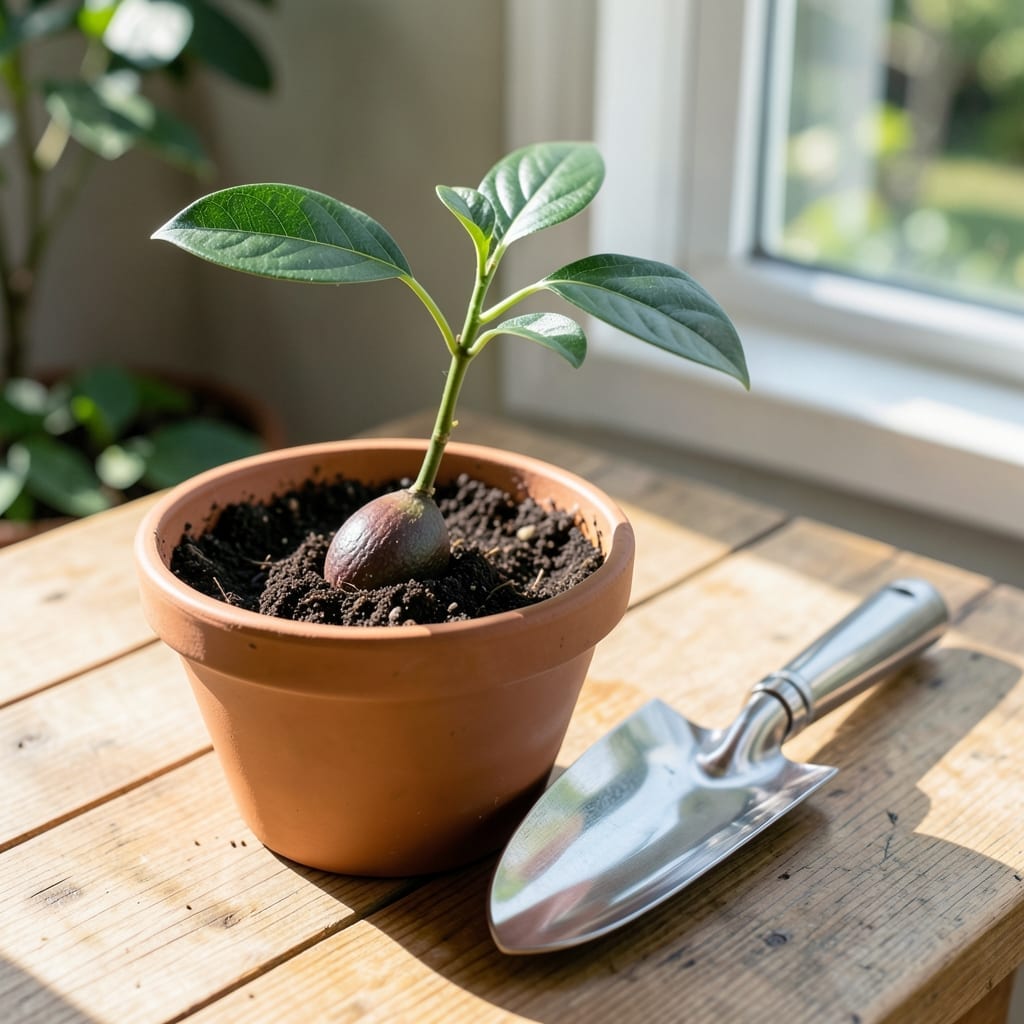
Timing is everything when it comes to planting an avocado 🥑 seed in soil. Plant too early, and you risk rot. Too late, and you might stunt its growth.
I’ve learned the hard way that patience pays off. Waiting for the right moment ensures your seed transitions smoothly into its new home.
For zones 9b-11, the sweet spot is spring, when the soil is warm and the threat of frost is gone. This is when your avocado has the best shot at thriving.
Discover the exact signs to look for and the simple steps to take. Let’s set your seed up for success from day one.
Timing your avocado seed planting is crucial for success. I’ve found that moving the seed to soil too soon can lead to rotting roots, while waiting too long may stunt growth. The key is patience and observation.
The ideal window depends on both the seed’s development and your local climate. In most regions, spring planting offers the best conditions for young avocado roots to establish strongly.
| Stage | Signs of Readiness | Best Timeframe |
|---|---|---|
| Germination | Root reaches 3-4 inches | 2-3 weeks after sprouting |
| Early Growth | Multiple roots visible | Spring months (March-June) |
| Climate | Soil temp above 60°F | After last frost |
I always check for root length before transplanting. Your avocado seed should have 3-4 inch roots and at least one visible sprout before moving to soil. This ensures the plant can absorb nutrients effectively.
For outdoor planting, wait until spring when temperatures consistently stay above 50°F at night. In warmer zones like 9b-11, you can start earlier, but cooler climates need that extra warmth.
Indoor growers have more flexibility. I’ve successfully transplanted seeds year-round when using grow lights and maintaining consistent warmth. Just ensure your container has drainage holes to prevent waterlogging.
The toothpick method works well for suspending seeds over water until roots develop. Once those roots are long enough, it’s time for soil. I use a well-draining mix of potting soil and perlite for best results.
Remember that avocados are tropical plants by nature. They thrive in warm, humid conditions and need protection from cold drafts or sudden temperature drops, especially in their early stages.
If you’re in a cooler climate, consider starting your seed indoors and moving the pot outside only when nighttime temperatures consistently exceed 55°F. This gradual acclimation prevents transplant shock.
Finally, observe your seed daily. When you see healthy root growth and a strong stem emerging, that’s your signal. The transition to soil is exciting—it’s when your avocado’s real journey begins! 🌱
Transplanting your avocado seedling into soil is exciting, but timing is key. I recommend waiting until your seed has 3-4 inch roots and a visible sprout. This ensures it’s strong enough to handle soil conditions and continue growing.
Before moving it, prepare a well-draining potting mix and a container with drainage holes. Avocados despise soggy roots, so this step is non-negotiable for healthy growth.
After transplanting, avoid direct sunlight for the first week to prevent stress. Your seedling needs time to acclimate to its new environment before facing harsh conditions.
Keep the soil consistently moist but not waterlogged. I check mine every 2-3 days and adjust based on how dry the top inch of soil feels. Overwatering is a common mistake that can lead to root rot.
Once your seedling reaches 6 inches tall, you can gradually introduce it to more sunlight. This prepares it for eventual outdoor planting if you live in a suitable climate zone.
Remember, patience is vital. Avocados grow slowly at first, but with the right care, your seedling will develop into a strong, healthy tree over time. 🌱