
Beautiful Plants For Your Interior
Beautiful Plants For Your Interior
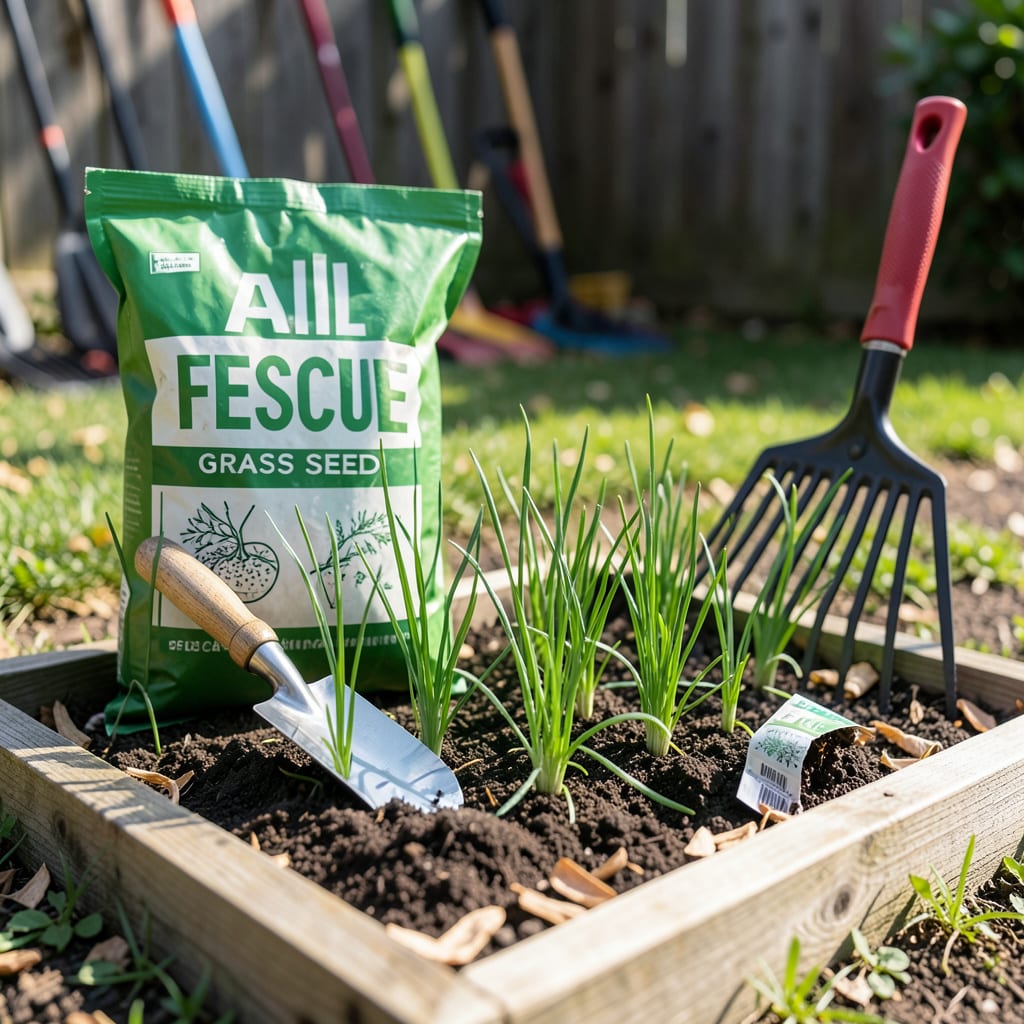
Timing your tall fescue planting in Texas can mean the difference between a lush, drought-resistant lawn and a patchy disappointment. The Lone Star State’s extreme summers and unpredictable winters make getting this right absolutely critical—but most homeowners don’t realize how small timing tweaks can transform results.
I’ve studied Texas A&M AgriLife’s recommendations and tested them in real lawns across the state. What I’ll share isn’t just theory—it’s a proven fall planting window that accounts for your specific region, from the Panhandle to the Gulf Coast. Let’s cut through the guesswork and get your grass established faster and stronger.
If you’re dreaming of a lush green lawn that laughs at Texas heat, tall fescue is your grass. But timing is everything—plant too early, and summer’s scorching temps will fry your seedlings. Wait too long, and winter frost could sabotage your efforts.
In Texas, the golden window for planting tall fescue is fall, when soil temps hover between 60–75°F. This gives roots time to establish before winter dormancy. But here’s the catch: Texas spans three climate zones, so your timing varies by region.
| Region | Ideal Planting Window | Soil Temp Goal | First Frost Date |
|---|---|---|---|
| North Texas (Dallas, Amarillo) | Sept 1–Oct 15 | 60–70°F | Nov 10–20 |
| Central Texas (Austin, San Antonio) | Sept 15–Oct 30 | 65–75°F | Nov 20–30 |
| South Texas (Houston, Corpus Christi) | Oct 1–Nov 15 | 70–75°F | Dec 1–10 |
Source: Texas A&M AgriLife Extension. Soil temps measured at 2″ depth.
In North Texas, aim for early September to beat the first frost. I’ve seen gardeners in Dallas push it to mid-October, but soil temps drop fast after that. Use a soil thermometer—if it reads below 60°F, your seeds may germinate slowly.
Down in Central Texas, the window shifts later thanks to warmer soils. Austin lawns thrive when seeded mid-September to late October. Pro tip: If you’re near urban heat islands, like downtown San Antonio, you can plant up to November 1.
South Texas is the outlier—here, October to mid-November is prime time. The Gulf Coast’s humidity helps seeds stay moist, but watch for tropical storms that can wash away freshly sown areas. I always recommend mulching with straw to protect seeds.
No matter your region, soil prep is non-negotiable. Texas soils are often alkaline and compacted, so test your pH (aim for 6.0–7.0) and aerate before planting. Mix in 2–3 inches of compost to improve water retention—especially critical in clay-heavy soils.
After planting, keep the soil consistently moist (not soggy!) for 21 days. I use a light sprinkler twice daily for the first week, then taper to deep watering every 3 days. Avoid heavy foot traffic for 6 weeks—those tender roots need space to grow.
If you’re overseeding an existing lawn, mow low (1.5 inches) and dethatch first. For bare spots, mix tall fescue seed with sand or peat moss for even distribution. And here’s my secret: Plant on a cloudy day to reduce seed stress from sun.
Remember, tall fescue is a cool-season grass, so it’ll green up in spring but may struggle in Texas summers. If your lawn browns in July, don’t panic—it’s likely dormant, not dead. Just resume watering in early fall to revive it.
For the best results, choose a drought-tolerant variety like ‘Titan’ or ‘Kentucky 31’. These handle Texas heat better than older types. And if you’re in a shady area, tall fescue is one of the few grasses that thrives with just 4–6 hours of sun.
🌱Even with perfect timing, small missteps can derail your tall fescue lawn. I’ve seen Texas gardeners waste time and seed by overlooking key details—like soil prep or watering habits—that make or break germination. Let’s fix that.
One of the biggest blunders? Planting in late summer when soil temps still hit 80°F+. Tall fescue seeds won’t germinate in hot soil—they’ll just sit there, vulnerable to fungi or birds. Always check 2-inch soil temps with a thermometer before sowing.
Source: Texas A&M Turfgrass Program. Germination rates drop 40% with these errors.
Another critical error: Skipping starter fertilizer. Tall fescue seedlings need phosphorus to develop strong roots. I recommend a 10-10-10 blend at planting, then a high-nitrogen feed 6 weeks later. Avoid weed-and-feed products—they can burn young grass.
Texas gardeners also underestimate seed-to-soil contact. If seeds sit on dry thatch or hardpan, they won’t sprout. Always aerate compacted soil first, then press seeds into the earth with a lawn roller or your feet (wear boots!).
Don’t forget post-planting care. Many assume “set it and forget it,” but tall fescue needs consistent moisture for 3 weeks. I use a timer on my sprinkler to deliver ¼-inch of water daily until germination. After that, deep watering (1 inch/week) encourages root growth.
Finally, mowing too soon is a rookie mistake. Let your grass reach 4 inches tall before the first cut, and never remove more than ⅓ of the blade. Set your mower to 3 inches for tall fescue—it helps shade the soil and retain moisture in Texas’ dry winds.
If your lawn looks patchy after 3 weeks, don’t reseed yet. Tall fescue can take 7–21 days to germinate. Instead, check for bird damage or washouts from rain. Lightly overseed thin spots and cover with peat moss to hold moisture.
Choosing the right grass for your Texas lawn isn’t just about tall fescue—it’s about matching the grass to your climate, sunlight, and maintenance style. While tall fescue shines in cooler months, warm-season grasses like Bermuda and Zoysia dominate summer. Let’s break down when to pick fescue—and when to walk away.
Tall fescue is the only cool-season grass that thrives in Texas, thanks to its drought tolerance and shade resilience. But in scorching summers, it often goes dormant unless you’re willing to water deeply 2–3 times weekly. That’s where Bermuda and Zoysia step in.
| Feature | Tall Fescue | Bermuda | Zoysia |
|---|---|---|---|
| Best Planting Time | Fall (Sept–Nov) | Spring/Summer | Spring/Summer |
| Drought Tolerance | Moderate-High | Very High | High |
| Shade Tolerance | Excellent (4–6 hrs sun) | Poor | Moderate |
| Summer Survival | Goes dormant | Thrives | Thrives |
| Winter Color | Stays green | Browns | Browns |
| Mowing Height | 3–4 inches | 1–2 inches | 1.5–2.5 inches |
Source: Texas A&M Turfgrass Science. Drought tolerance rated for unsupplemented watering.
If your yard gets less than 6 hours of sun, tall fescue is your only viable option in Texas. I’ve seen it flourish under oak canopies where Bermuda would thin out. But in full-sun areas, you’ll fight to keep it alive through July and August without supplemental irrigation.
For low-maintenance lawns, Bermuda wins—it recovers from drought faster and handles heavy foot traffic. But if you want year-round green without overseeding, tall fescue is the champ. Just be ready to water more in summer and accept some browning during heatwaves.
Zoysia is the middle-ground option—it tolerates moderate shade and stays green longer than Bermuda in fall. However, it’s slower to establish and can develop thatch problems in Texas’ clay soils. I only recommend it for homeowners willing to dethatch annually.
Here’s my rule of thumb: Choose tall fescue if you have shade, kids, or pets (it’s softer and more forgiving). Opt for Bermuda if you prioritize drought resistance and don’t mind a brown winter lawn. Zoysia? Only if you’re okay with higher maintenance for a slightly greener summer look.
🌿Planting before September exposes seeds to soil temps above 75°F, which prevents germination. The seeds may also dry out or get eaten by birds. Always check 2-inch soil temps—wait until they drop below 75°F for best results.
Spring planting is risky in Texas. The grass may establish, but summer heat often stresses young plants before roots develop. If you must plant in spring, aim for early March and commit to daily watering through June. Fall remains the ideal season.
Test your soil’s pH (aim for 6.0–7.0) and texture. Texas soils are often alkaline and clay-heavy, so amend with 2–3 inches of compost and sulfur if needed. Use a soil thermometer to confirm temps are 60–75°F at planting depth.
Most varieties go dormant in extreme heat without supplemental water. For better survival, choose drought-tolerant types like ‘Titan’ or ‘Kentucky 31’ and water deeply 2–3 times weekly in summer. Expect some browning—it’s usually dormancy, not death.
For quick results, overseed thin areas in early fall using a high-quality seed mix (5–6 lbs per 1,000 sq ft). Keep soil consistently moist for 21 days, then switch to deep watering. Use a starter fertilizer (10-10-10) at planting to boost root growth.
