
Beautiful Plants For Your Interior
Beautiful Plants For Your Interior
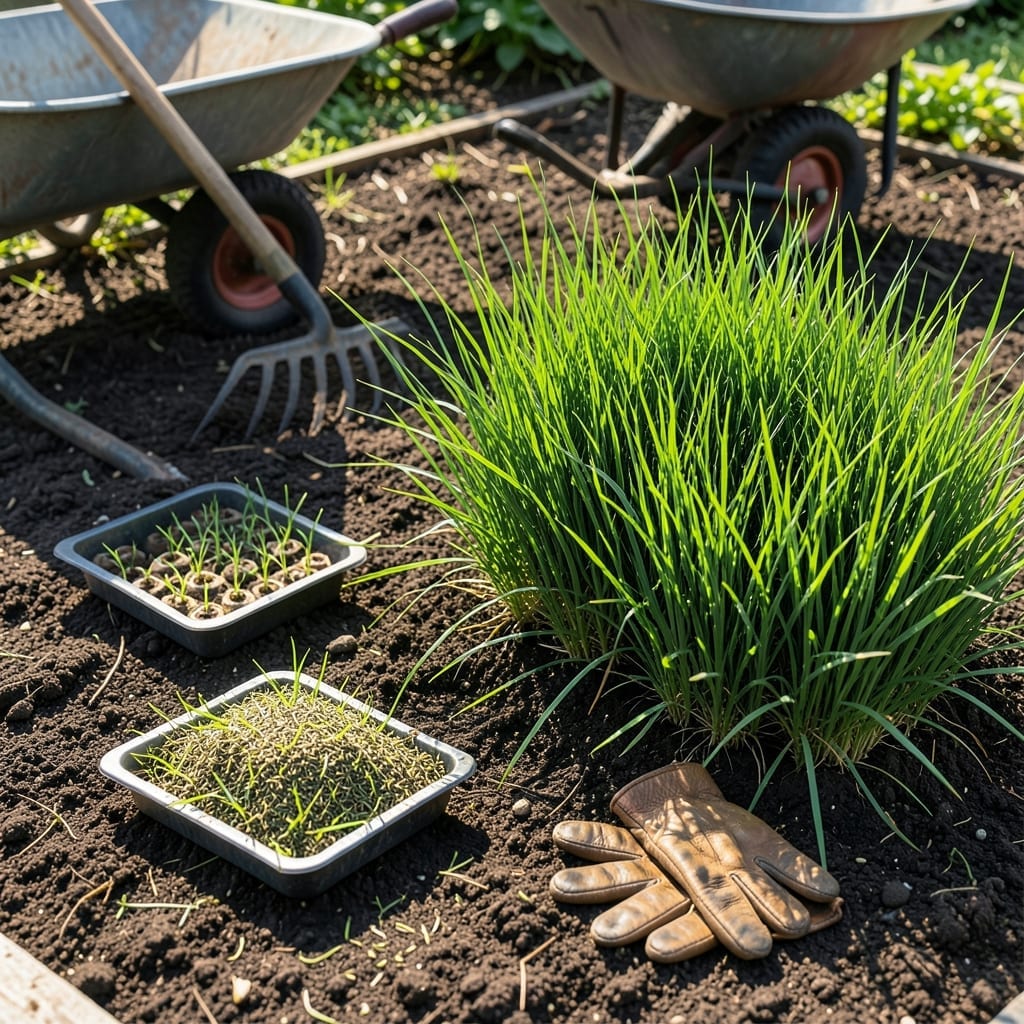
Timing is everything when planting Tall Fescue in Oklahoma—plant too early or too late, and your lawn may struggle to establish. The wrong window can mean wasted effort and patchy results.
Oklahoma’s 6b-7a climate demands precision. Fall and early spring offer the most reliable conditions for 🌱 Tall Fescue to take root and thrive before extreme heat or cold sets in.
I’ll break down the exact months—September through October or March through April—that align with soil temperatures and frost dates. These periods give your grass the best start.
Let’s explore how to time your planting for a lush, resilient lawn that stands up to Oklahoma’s variable weather.
In Oklahoma, Tall Fescue thrives when planted during two optimal windows. The first is early fall, from mid-September to mid-October, just before the first frost. The second is late winter to early spring, between March and April.
These periods align with ideal soil temperatures of 60-75°F, which are perfect for seed germination. Planting outside these windows, especially in summer heat, can stress the grass and hinder establishment.
| Season | Ideal Months | Soil Temperature | Key Benefit |
|---|---|---|---|
| Early Fall | September-October | 60-75°F | Cool weather, fewer weeds |
| Late Winter | March-April | 60-75°F | Spring rains aid growth |
| Summer | June-August | 80°F+ | Avoid—heat stress risk |
Early fall planting gives Tall Fescue time to establish deep roots before winter. This makes the grass more resilient to Oklahoma’s cold snaps and early frosts, which typically arrive around October 15.
Late winter to early spring planting works because the soil begins to warm, and spring rains provide natural irrigation. Avoid planting too early in spring, as a late frost could damage new growth.
Soil temperature is critical. Use a soil thermometer to check that it’s consistently above 60°F at a depth of 2 inches. If it’s cooler, seeds may not germinate properly.
Oklahoma’s USDA zones 6b-7a mean we experience both hot summers and cold winters. Planting in summer often leads to heat stress, while winter planting can expose seeds to freezing temperatures.
If you miss the fall window, March through April is your next best option. Just be sure to plant at least 4-6 weeks before the last expected frost, which is around April 15 in most of Oklahoma.
For best results, prepare your soil by removing debris and loosening the top 4-6 inches. This helps seeds make direct contact with the soil, improving germination rates.
Water newly planted areas lightly but frequently to keep the soil moist but not soggy. Aim for 1 inch of water per week, either from rainfall or irrigation.
With the right timing and care, your Tall Fescue lawn will establish quickly, providing a lush, green carpet that’s both beautiful and durable 🌱
Oklahoma’s clay soils and variable weather can challenge even experienced gardeners. I’ve found that preparing the soil properly makes all the difference for Tall Fescue establishment.
Start by aerating compacted clay and mixing in 2-3 inches of compost to improve drainage. This helps roots penetrate deeply and access the nutrients they need.
Oklahoma’s unpredictable droughts mean you should have an irrigation plan ready. I recommend installing soaker hoses for even water distribution.
The best time to water is early morning to reduce evaporation and fungal risks. Aim for 1 inch per week, including rainfall, during the first growing season.
After planting, keep foot traffic off the area for 4-6 weeks to allow roots to establish. This patience pays off with a thicker, more resilient lawn that can handle Oklahoma’s climate swings.
Finally, remember that fall planting often yields better results than spring in Oklahoma. The cooler temperatures and autumn rains create ideal conditions for root development before winter. 🌱