
Beautiful Plants For Your Interior
Beautiful Plants For Your Interior
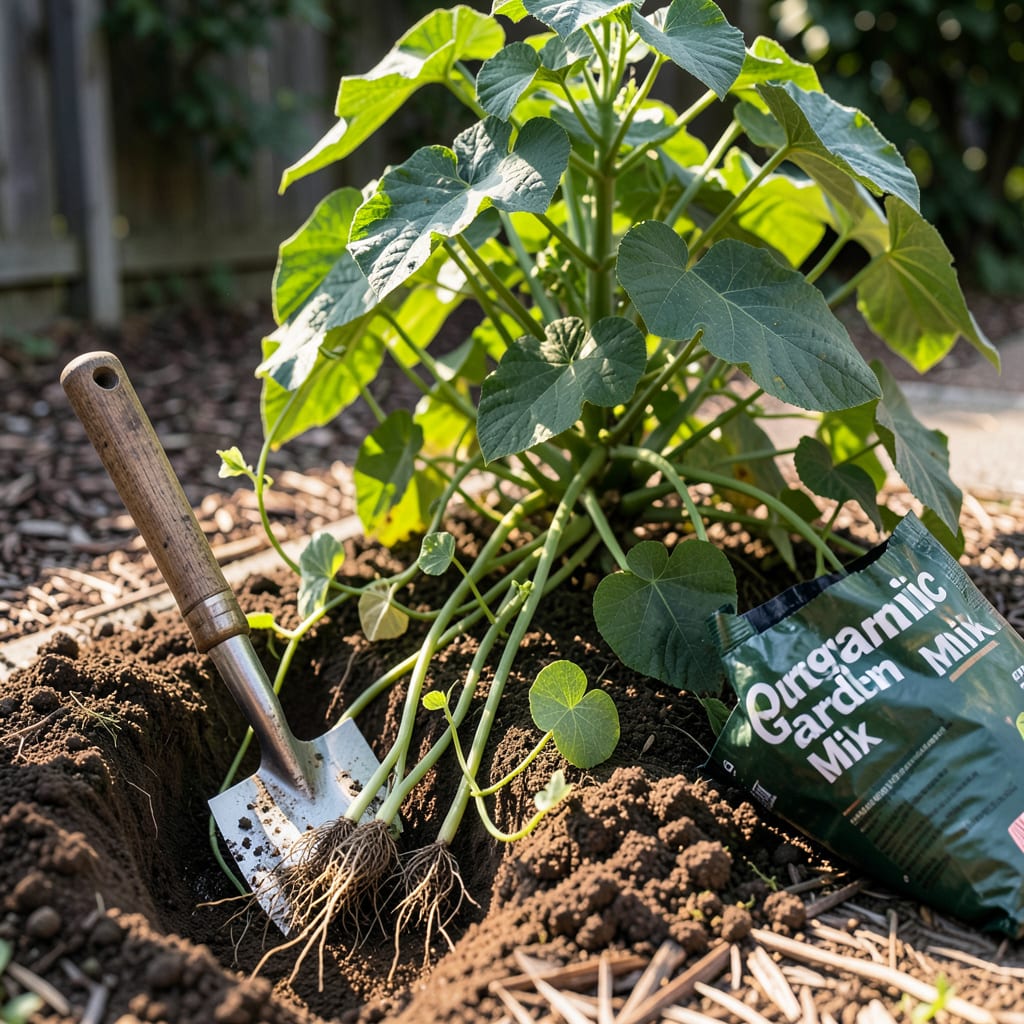
Timing your 🍠 Sweet Potato planting in Zone 8a can mean the difference between a bountiful harvest and a disappointing yield. Plant too early, and a late frost might wipe out your slips. Wait too long, and you’ll miss the fast-growing window these heat-loving vines need to thrive.
I’ve seen gardeners struggle with this balance, but the good news? Zone 8a’s long growing season gives you the perfect opportunity to get it right. Let’s break down the ideal planting window and how to set your Sweet Potatoes up for success from day one.
If you’re growing sweet potatoes in Zone 8a, timing is your secret weapon. These heat-loving vines need warm soil (at least 70°F) and zero risk of frost. In Zone 8a, that means aiming for late May to early June—after the last frost date (typically April 15) but before summer’s peak heat.☀️
Sweet potatoes aren’t started from seeds but from slips (young plants grown from tubers). If you plant too early, cold soil stunts growth; too late, and tubers won’t mature before fall. I’ve found that soil temperature is more critical than air temperature—use a soil thermometer to confirm it’s consistently above 60°F at 4-inch depth.🌡️
| Planting Factor | Zone 8a Specification |
|---|---|
| Ideal Months | Late May – Early June |
| Soil Temp Minimum | 70°F (21°C) at 4″ depth |
| Last Frost Date | April 1–15 (varies by microclimate) |
| Sunlight Needs | Full sun (6–8+ hours daily) |
| Slip Spacing | 12–18″ apart, rows 3′ apart |
| Soil pH | 5.8–6.5 (slightly acidic) |
| Days to Harvest | 90–120 days (variety-dependent) |
Zone 8a’s long growing season (about 215 frost-free days) gives you flexibility, but coastal areas may stay cooler longer. If you’re near the coast, wait until early June to plant. Inland gardeners can push planting to mid-May if soil temps cooperate. I always check the 10-day forecast for nighttime lows above 55°F before planting.🌱
Prepping your soil is just as important as timing. Sweet potatoes thrive in loose, well-draining soil with plenty of organic matter. I mix in 2–3 inches of compost and avoid heavy clay, which can cause tubers to crack. Raised beds are ideal if your soil is poor—just ensure they’re at least 8–12 inches deep for root development.✂️
For a head start, you can pre-sprout slips indoors 4–6 weeks before planting. Suspend a sweet potato half-submerged in water (toothpicks help!) until slips grow to 4–6 inches. Harden them off for a week before transplanting. This trick extends your season, especially useful if spring stays cool.🪴
Once planted, black plastic mulch is a game-changer in Zone 8a. It warms the soil, suppresses weeds, and retains moisture—critical during our hot summers. Lay it down 2–3 weeks before planting to preheat the soil. If you prefer organic mulch, use straw or grass clippings after slips are established.💧
Watering is another timing puzzle. Keep soil evenly moist for the first 2 weeks after planting, then reduce to 1 inch per week. Overwatering causes rot, while drought stresses vines. I use a soaker hose to deliver water directly to roots, avoiding wetting the leaves (which invites disease).☀️
If you’re growing multiple varieties, space them strategically. Bush types (like ‘Georgia Jet’) need less room than vining types (like ‘Beauregard’). In Zone 8a, you can succession plant slips through early July for a staggered harvest, but yields drop with later plantings. Stick to the May–June window for the best results.🌿
Finally, mark your calendar for harvest in October–November, just before the first frost. Sweet potatoes taste sweeter after a light frost, but tubers damage below 50°F. I dig mine when vines yellow and soil temps drop to 55°F. Cure them in a warm, humid spot for 10 days to enhance flavor and storage life.🪴
Even with perfect timing, small errors can sabotage your 🍠 sweet potato harvest in Zone 8a. I’ve seen gardeners lose half their crop to avoidable mistakes—like planting slips too deep or ignoring soil prep. Let’s tackle the top three pitfalls so you can grow plump, flavorful tubers without the headaches.✂️
First up: planting depth. Sweet potato slips need just 1–2 inches of soil covering their roots—bury them deeper, and you’ll smother the stems. I use a ruler or my finger to measure: the slip’s leaves should sit above soil level. Too deep, and rot sets in; too shallow, and slips dry out.🌱
Planting slips too deep suffocates stems and invites rot. Keep the top 1/3 of the slip above soil—just like planting a tomato seedling, but shallower.
Next is soil pH neglect. Sweet potatoes demand slightly acidic soil (pH 5.8–6.5). In Zone 8a, our native soil often skews alkaline. I test my soil every spring with a $10 probe—if pH is too high, I amend with sulfur or pine needles. Too low? A sprinkle of wood ash balances it.🌡️
Skipping black plastic mulch is mistake #3. This simple step boosts soil temps by 10°F, critical for Zone 8a’s sometimes-cool springs. Without it, slips grow sluggishly, and tubers form late. I lay 1–2 mil plastic 2 weeks pre-planting, securing edges with garden staples. No plastic? Use dark straw—it’s less effective but better than nothing.☀️
Bonus blunder: overwatering. Sweet potatoes hate soggy feet! After planting, I water deeply once a week (about 1 inch total, including rain). Drip irrigation or soaker hoses work best—avoid overhead watering, which promotes foliar diseases. Let the top inch of soil dry between waterings.💧
Lastly, don’t ignore spacing. Crowded slips compete for nutrients, yielding small tubers. I space slips 12–18 inches apart in rows 3 feet apart. Vining varieties (like ‘Beauregard’) need the full 18 inches; bush types (like ‘Georgia Jet’) can handle 12. Use a measuring tape for precision—it’s worth the extra minute!🪴
Not all 🍠 sweet potatoes thrive equally in Zone 8a’s climate. With our 120–150-day growing window, choosing the right variety can mean the difference between a mediocre harvest and a bumper crop. I’ve tested dozens of types, and these are the top performers for our region’s heat and humidity.🌱
For fast maturers, ‘Georgia Jet’ is my go-to. It delivers harvest-ready tubers in just 90 days, perfect if you’re planting in late May or early June. The flesh is moist and orange, with a classic sweet flavor. If you’re short on space, its bushy growth habit makes it ideal for containers or small gardens.🌿
| Variety | Days to Maturity | Flavor Profile | Growth Habit | Best For |
|---|---|---|---|---|
| Georgia Jet | 90 days | Moist, sweet, orange | Bushy, compact | Containers, small spaces |
| Beauregard | 100 days | Rich, sweet, deep orange | Vining, spreads 3-4 ft | High yields, storage |
| Covington | 105 days | Copper skin, sweet, creamy | Semi-bushy, moderate spread | All-purpose, disease-resistant |
| Bonita | 95 days | White flesh, nutty, dry | Bushy, compact | Unique flavor, baking |
| Jewel | 110 days | Classic orange, sweet, moist | Vining, aggressive spread | Large harvests, canning |
If you’re after high yields, ‘Beauregard’ is the gold standard. It takes 100 days to mature but produces large, uniform tubers that store well. The vines spread aggressively, so give them 3–4 feet of space. I’ve pulled 5–10 pounds per plant in ideal conditions—just ensure your soil is loose and well-drained.☀️
For a disease-resistant option, ‘Covington’ is my top pick. It matures in 105 days and handles Zone 8a’s humidity better than most. The copper-skinned tubers stay sweet even in storage, making it great for winter meals. Plant slips 18 inches apart to allow for its semi-bushy growth.💧
Want something unique? ‘Bonita’ offers white flesh with a nutty flavor and matures in just 95 days. It’s a conversation starter at harvest time! The compact growth habit fits well in raised beds or containers. Just note: it prefers slightly sandier soil than other varieties, so amend with compost if your soil is heavy.🪴
For late-season planting (up to early July), ‘Jewel’ is your best bet. While it takes 110 days to mature, its vigorous vines handle heat stress well. I’ve had success with July plantings by using black plastic mulch to retain warmth. The tubers are perfect for canning or holiday pies!🌿
Sweet potato slips need soil temps of at least 70°F at a 4-inch depth. In Zone 8a, this typically happens in late May to early June. Use a soil thermometer to check—planting in cooler soil stunts growth.
Even if air temps rise, April soil in Zone 8a is usually too cool. Wait until after the last frost date (April 15) and confirm soil stays above 60°F for a week. Early planting risks rot or slow growth.
Use black plastic mulch to warm soil, or cover slips with floating row covers at night. If temps dip below 55°F, add a cloche or bucket overnight. Remove covers by mid-morning to prevent overheating.
In Zone 8a, plant slips by early July for varieties like ‘Georgia Jet’ (90 days). Later plantings may not mature before frost. Use plastic mulch to speed growth and choose fast-maturing types.
Yes! Coastal Zone 8a stays cooler longer—wait until early June. Inland areas can plant in mid-May if soil temps cooperate. Always check your local microclimate and 10-day forecast.
