
Beautiful Plants For Your Interior
Beautiful Plants For Your Interior
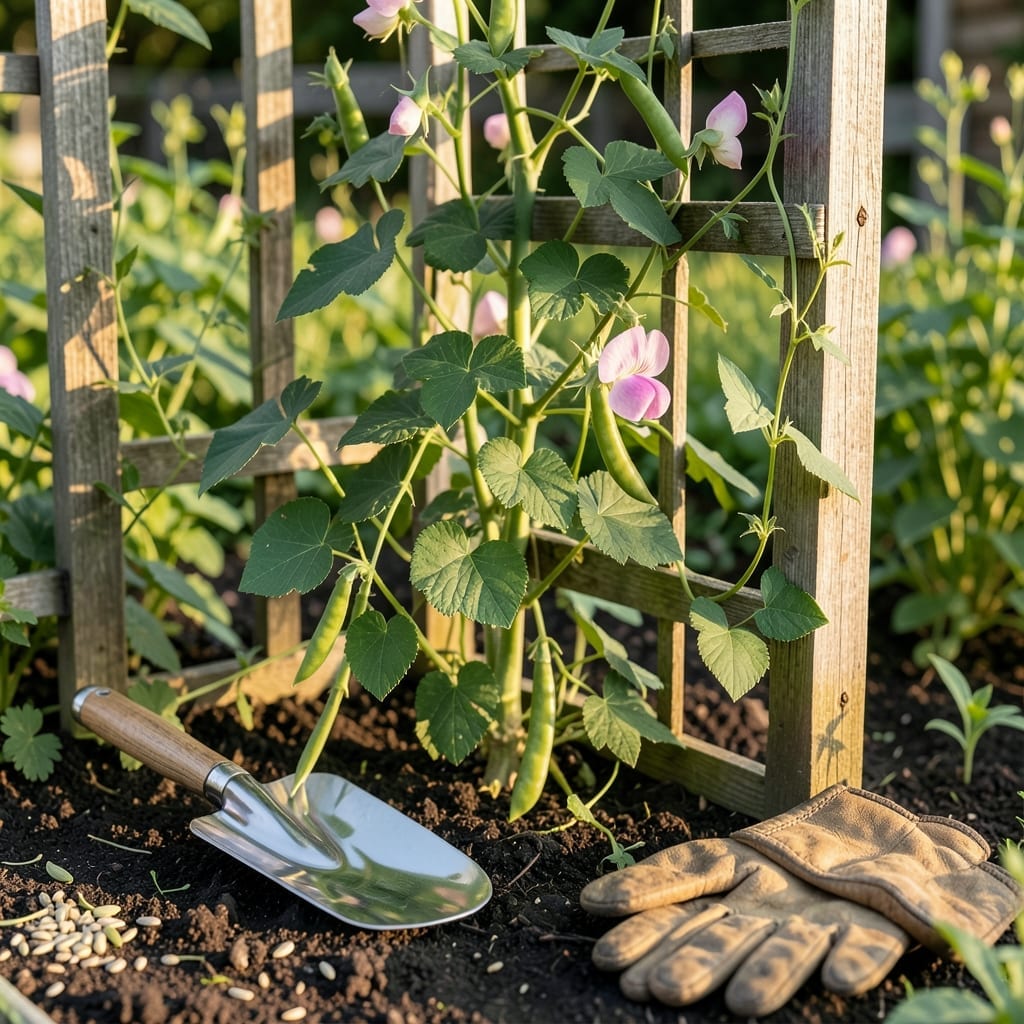
Timing is everything when planting Sweet Peas in Seattle’s unique Pacific Northwest climate. Plant too early and frost may kill them, too late and they’ll miss their prime growing window.
This guide reveals the exact timing and techniques for lush, fragrant 🌸 blooms all season long. Seattle’s maritime climate offers a special challenge – and opportunity – for gardeners.
I’ll show you how to work with our 8b zone’s specific conditions, from frost dates to soil temperature. Whether you’re a beginner or seasoned gardener, these insights will help you succeed.
Discover the two ideal planting windows that take full advantage of our region’s mild winters and cool summers. Let’s get your Sweet Peas thriving.
Seattle’s maritime climate offers a unique advantage for growing sweet peas. The cool, moist springs and mild summers create ideal conditions, but timing is critical. I’ve found that late winter to early spring works best for most gardeners here.
The last frost date in Seattle is typically around April 15, but sweet peas are cold-hardy and can be planted earlier. For the best results, aim to sow seeds 6-8 weeks before the last frost date.
| Planting Window | Key Details |
|---|---|
| February – April | Primary window for spring blooms. Soak seeds overnight for better germination. |
| September – October | Fall planting for early spring flowers. Protect from early frosts. |
| Soil Temperature | 45-65°F is ideal. Seattle’s soil often meets this in late winter. |
| Sunlight Needs | 6+ hours daily. Seattle’s cloudy springs may require supplemental light. |
| Microclimate Tip | Urban areas warm faster. Start 2 weeks earlier in the city. |
For early spring planting, I recommend starting seeds indoors in February. This gives them a head start before transplanting outdoors in March or April. Sweet peas dislike root disturbance, so use biodegradable pots for easy transplanting.
Seattle’s fall planting window is another great option. Sow seeds in September or October for blooms the following spring. The cooler temperatures help prevent powdery mildew, a common issue in our humid summers.
Keep an eye on soil temperature. Sweet peas germinate best when soil is between 45-65°F. In Seattle, this is usually achievable by late February in most years. Use a soil thermometer to be sure.
The city’s microclimates can vary significantly. Urban areas, with their heat islands, often warm up faster than suburban or rural spots. If you’re in the city, you might start planting 2 weeks earlier than the general guidelines.
Sunlight is another critical factor. Sweet peas need 6+ hours of sun daily. In Seattle’s often cloudy springs, consider planting in a south-facing location or using a grow light for indoor starts.
Don’t forget about soil preparation. Sweet peas thrive in well-draining soil with plenty of organic matter. I always mix in compost before planting to give them the best start. This is especially important in Seattle’s heavy clay soils.
Finally, remember that consistent moisture is key. Seattle’s springs are damp, but you may need to water during dry spells. However, avoid overwatering, as sweet peas dislike soggy roots. A good rule is to water when the top inch of soil feels dry.
With these tips, you’ll be well on your way to a stunning display of fragrant sweet peas in your Seattle garden 🌸
Planting Sweet Peas in Seattle requires careful preparation. I always start by soaking seeds overnight to soften their tough outer shell, which dramatically improves germination rates in our cool climate.
Choose a well-draining location with at least 6+ hours of sunlight. Seattle’s damp springs mean you’ll want to avoid low-lying areas where water pools. A slightly elevated bed works wonders here.
🌱 Key Steps for Success
In Seattle’s USDA Zone 8b, I’ve found that early March is ideal for direct sowing. The soil temperature hovers around 45-50°F, which is perfect for Sweet Pea germination.
For fall planting, aim for late September to early October. This gives your plants time to establish roots before winter dormancy, resulting in earlier spring blooms.
Finally, mulch around your plants with organic matter to retain moisture and suppress weeds. Seattle’s frequent rains can leach nutrients, so I recommend a monthly light feeding with a 5-10-10 fertilizer.
This simple care routine will reward you with abundant blooms from late spring through summer ☀️