
Beautiful Plants For Your Interior
Beautiful Plants For Your Interior
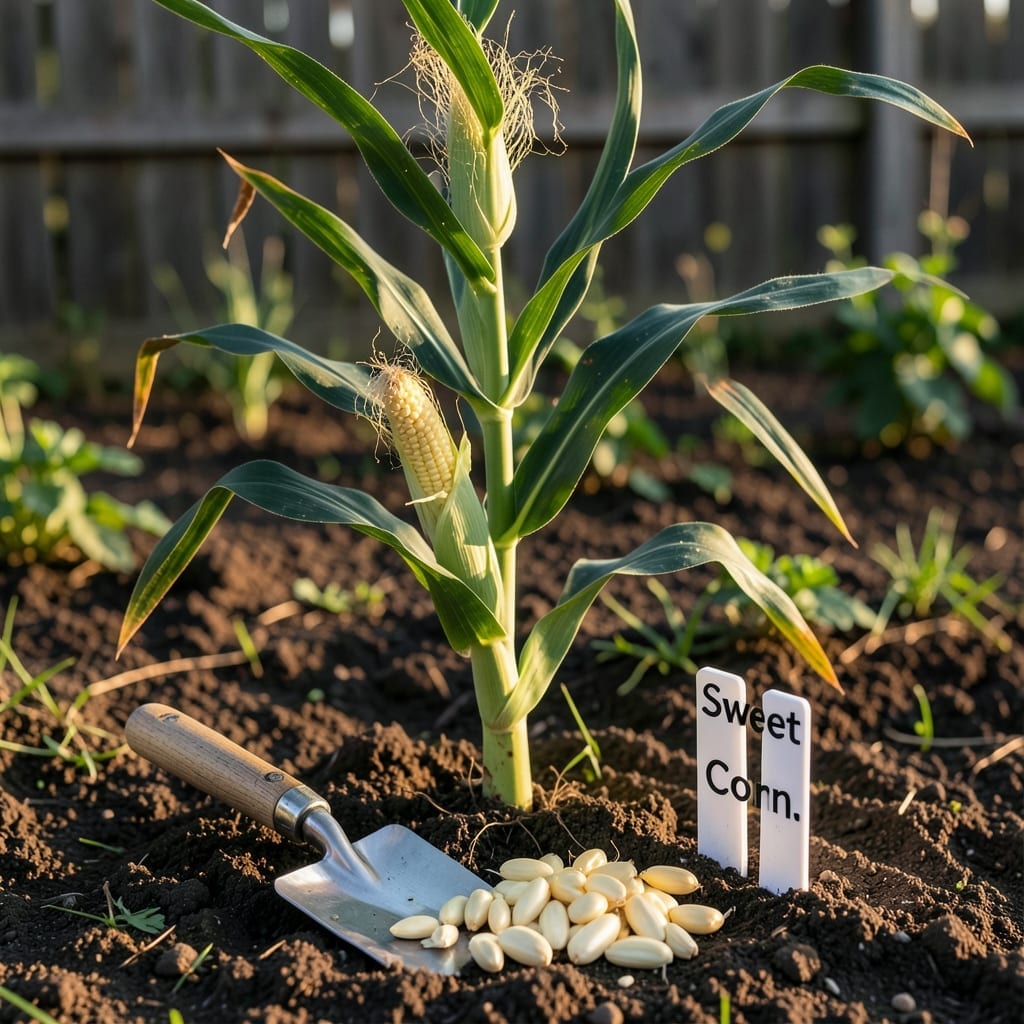
Timing is everything when planting Sweet Corn 🌽 in Nebraska—plant too early and frost can ruin your crop, but wait too long and you’ll miss the ideal growing window.
In zones 5a-6a, the soil needs to be just right. I’ve learned the hard way that rushing this process rarely pays off.
Get the exact dates and expert tips to ensure a bountiful harvest. Whether you’re a seasoned gardener or just starting out, nailing the timing is the key to success.
Discover how to align your planting with Nebraska’s climate and soil conditions for the best results this season.
I’ve found that Nebraska’s diverse climate means planting times vary across the state. The eastern region typically warms up first, while western areas lag by a week or two. This affects when you can safely sow your sweet corn.
For the best results, I always recommend checking your local frost dates and soil temperature. Sweet corn needs soil at least 55°F to germinate properly, and 60°F is ideal for robust growth. ☀️
| Region | Planting Window | Early Varieties | Mid/Late Varieties |
|---|---|---|---|
| Eastern NE | April 25 – May 10 | April 25 – May 5 | May 1 – May 10 |
| Central NE | May 1 – May 15 | May 1 – May 10 | May 5 – May 15 |
| Western NE | May 5 – May 20 | May 5 – May 15 | May 10 – May 20 |
In eastern Nebraska, I start planting as early as late April for quick-maturing varieties. The warmer soil here gives seeds a head start, but I always watch for late frost warnings just in case.
For central Nebraska, I wait until early May. This area often sees cooler springs, so I use a soil thermometer to confirm temperatures before planting. It’s a small investment that prevents big disappointments.
Western Nebraska requires the most patience. I don’t plant until mid-May at the earliest. The higher elevation and cooler nights mean soil stays cold longer, which can delay germination.
I always choose early-season varieties like ‘Sugar Buns’ or ‘Early Sunglow’ for the first planting. These mature in 60-70 days, giving me a harvest before the summer heat peaks. 🌱
For a continuous harvest, I plant mid-season varieties like ‘Peaches and Cream’ about 10 days later. This staggered approach keeps my garden producing fresh corn for weeks.
Late-season varieties such as ‘Silver Queen’ go in last. These need 85-100 days to mature, so I plant them by May 20 in western areas to avoid fall frosts.
I’ve learned that succession planting every 2 weeks extends my harvest window. This works especially well in eastern Nebraska, where the growing season is longer. Just be sure to stop planting by early July to avoid frost damage.
Remember, these dates are guidelines. I always adjust based on the current year’s weather. A warm spring might let me plant earlier, while a cold snap means waiting a little longer. Gardening is as much art as science! 🌿
I’ve learned the hard way that soil temperature is the most critical factor for sweet corn germination. In Nebraska, I never plant until the soil reaches at least 55°F at a 2-inch depth. ☀️
At 60°F, germination happens faster and more uniformly. I use a simple soil thermometer to check—it’s a game-changer for avoiding disappointing sprouts. Cold soil means seeds just sit there, vulnerable to rot.
🌱 Pro Tip: Test soil temperature in the morning for the most accurate reading. If it’s below 55°F, wait a few days and check again—Nebraska springs can be unpredictable!
Nebraska’s spring weather keeps me on my toes. A late frost after planting can kill young seedlings, so I always check the 10-day forecast before sowing. I’ve lost entire patches to a surprise May frost before.
Even heatwaves can be tricky. If temperatures spike above 90°F right after planting, the soil can dry out quickly. I combat this by mulching heavily and watering deeply every 3-4 days until seeds sprout.
Wind is another Nebraska challenge. I plant my corn in blocks of at least 4 rows rather than single rows. This helps with pollination and provides some wind protection for the stalks as they grow.
I also watch for heavy rains, which can crust the soil surface. If this happens, I gently break up the crust with a hoe to help seedlings emerge. It’s a simple step that prevents a lot of heartache.
After years of trial and error, I’ve found that patience pays off. Waiting for that perfect soil temperature and stable weather means stronger plants and a better harvest down the line. 🌿