
Beautiful Plants For Your Interior
Beautiful Plants For Your Interior
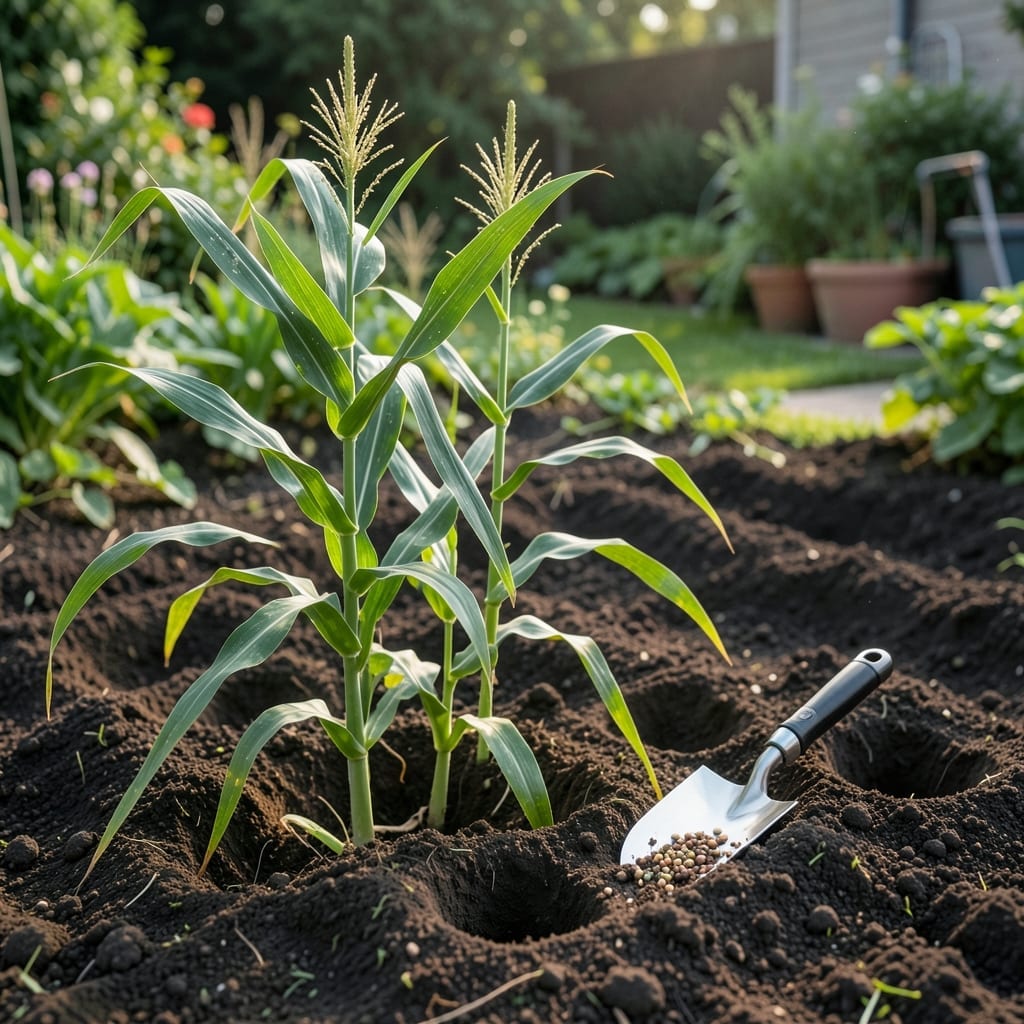
Timing is everything when growing Sweet Corn in Alabama—plant too early and frost may ruin your crop, too late and the summer heat can stunt growth.
The difference between a mediocre harvest and a bountiful one often comes down to just a few weeks. In zones 7b-8a, the window is tight but rewarding.
I’ve learned through trial and error that soil temperature is the game-changer. Waiting for that 60°F mark means stronger starts and sweeter kernels.
Let me walk you through the optimal dates and conditions to set your 🌽 up for success this growing season.
Alabama’s diverse climate zones mean planting times for sweet corn vary significantly. In the southern regions, like Mobile, you can start as early as late February to early March. The warmer soil here reaches the 60-65°F sweet corn needs faster. ☀️
For central Alabama, including Birmingham, aim for mid-March to early April. The last frost date here is typically March 15, so waiting ensures your seeds won’t freeze. In northern Alabama, like Huntsville, plant late March to mid-April. 🌱
| Region | Planting Window | Soil Temp | Last Frost Date |
|---|---|---|---|
| Southern AL | Late Feb – Early Mar | 60-65°F | Feb 15 |
| Central AL | Mid Mar – Early Apr | 60-65°F | Mar 15 |
| Northern AL | Late Mar – Mid Apr | 60-65°F | Apr 1 |
If you’re planting early-season varieties like ‘Sugar Sprint’, you can push the start date slightly earlier. These mature in 60-65 days, so they handle cooler spring soil better than late-season types. For mid-season varieties like ‘Peaches and Cream’, stick to the standard windows. 🌿
Soil temperature is critical—use a soil thermometer to confirm it’s at least 60°F at 2-inch depth. If it’s cooler, seeds may rot or germinate poorly. I’ve seen many gardeners lose crops by planting too early in cold, wet soil.
Alabama’s humid subtropical climate also means summer heat can be intense. Planting too late risks heat stress during pollination, which reduces ear development. For a second crop, consider late July in northern areas, but water consistently to combat drought.
Microclimates matter too. Low-lying areas may stay cooler longer, while sloped gardens warm faster. If you’re in a frost pocket, wait an extra week or two after the last frost date. Observing your local conditions often trumps general guidelines.
For organic gardeners, pre-warm soil with black plastic mulch or row covers. This can let you plant 7-10 days earlier safely. Just remove covers once temperatures rise to avoid overheating plants. ✂️
Remember, corn is wind-pollinated, so plant in blocks of at least 4 rows rather than single rows. This ensures good pollination and full ears. Spacing should be 12-18 inches apart in rows 30-36 inches apart.
Finally, test your soil pH—sweet corn thrives in 6.0-6.8 range. If it’s too acidic, add lime in fall. A soil test is the best way to know exactly what your garden needs for optimal growth. 🌱
Getting the timing right is just the start. I’ve found that soil preparation is equally critical for sweet corn in Alabama’s humid subtropical climate. Aim for a pH of 6.0-6.8 for best results.
Moisture levels and pest control also play big roles. Corn earworm and fall armyworm are common threats, so early prevention is key to protecting your crop.
Variety selection can make or break your harvest. I recommend ‘Silver Queen’ for its reliability and ‘Peaches and Cream’ for its sweet, bicolor kernels.
These varieties thrive in Alabama’s heat and humidity. They also handle the long growing season well, giving you flexibility in planting times.
Don’t overlook crop rotation. Planting corn in the same spot year after year can deplete the soil and encourage pests. Rotate with legumes to replenish nitrogen naturally.
Finally, keep an eye on the weather forecast. Sudden cold snaps or heatwaves can stress young plants. Using row covers can provide extra protection when needed.
With these factors in mind, you’ll set your sweet corn up for a healthy, productive season 🌽