
Beautiful Plants For Your Interior
Beautiful Plants For Your Interior
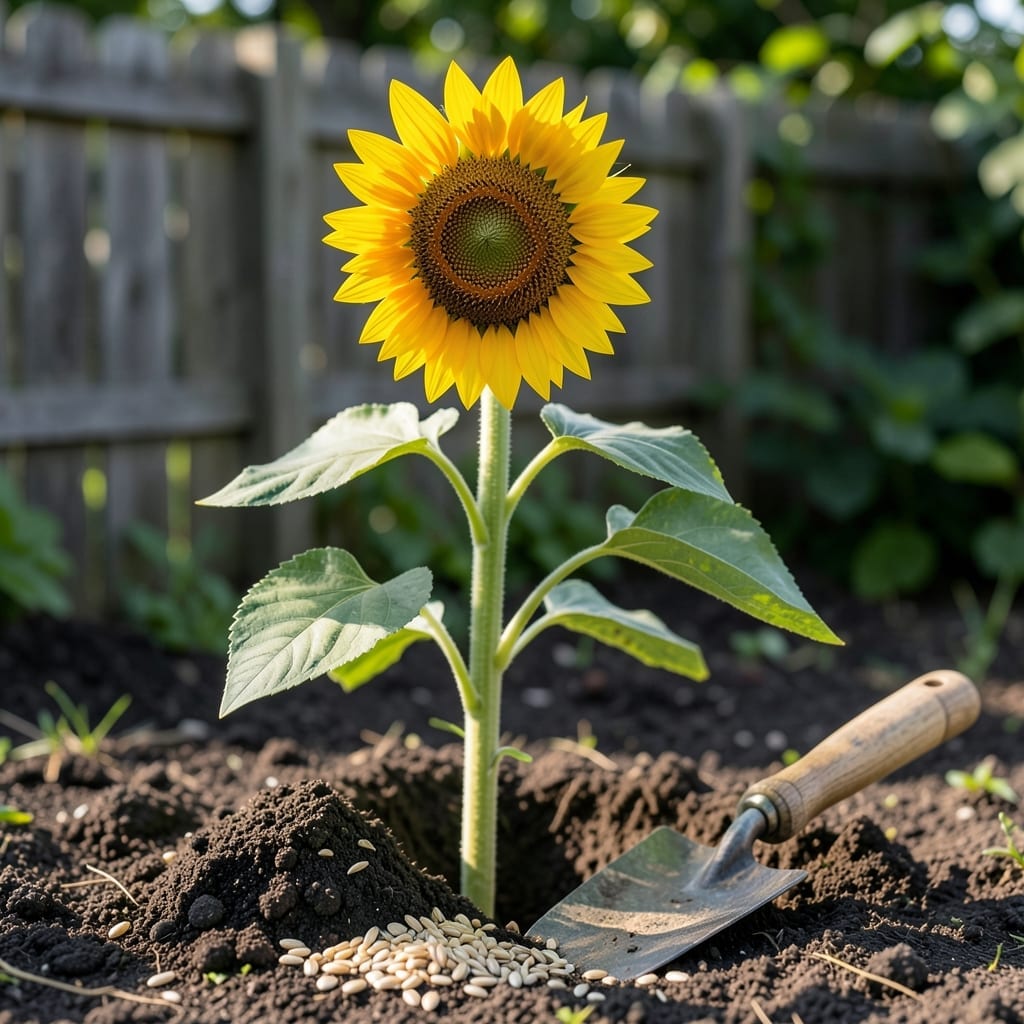
Timing is everything when growing Sunflower 🌻 in Zone 8b, where a late frost or summer heatwave can derail your plans.
Plant too early, and a surprise chill might stunt those tall, cheerful blooms. Plant too late, and you’ll watch them struggle through the hottest months.
I’ve learned the hard way that getting the timing right means the difference between a lackluster patch and a field of golden giants swaying in the breeze.
Let me walk you through the most reliable windows to plant and how to set your Sunflower up for success from the very first seed.
In Zone 8b, timing your sunflower planting is critical for vibrant blooms. The last frost date typically falls around March 15, but soil warmth is equally important for germination.
I recommend waiting until soil temperatures reach at least 55-60°F at a 2-inch depth. This usually aligns with late March to early April in most of Zone 8b.
| Stage | Action |
|---|---|
| Early Spring | Avoid planting – risk of frost remains |
| Late March | Check soil temp – plant if 55°F+ |
| April | Prime planting window for most varieties |
| May | Good for late varieties – finish before summer heat |
| June | Last chance for fast-maturing dwarf types |
For early blooms, start dwarf varieties like ‘Teddy Bear’ in late March. These smaller sunflowers mature faster and can handle slightly cooler soil.
Standard sunflowers like ‘Mammoth’ or ‘Russian Giant’ do best when planted in April. Their longer growing season needs the warmer soil to thrive.
If you’re growing cutting sunflowers, consider succession planting. I plant new seeds every 2-3 weeks from April to early June for continuous blooms.
Late plantings in June work for quick-maturing varieties like ‘Autumn Beauty’. Just ensure they’ll have 90 days before the first fall frost.
Remember, sunflowers are heat tolerant but need consistent moisture during germination. I always water deeply after planting to help seeds settle.
For the best results, check your local weather and soil conditions. A soil thermometer is a gardener’s best friend for precise timing in Zone 8b.
With proper timing, you’ll enjoy tall, sturdy stems and vibrant blooms from summer through fall. The key is patience – don’t rush the season! 🌻
In Zone 8b, preparing your soil and seeds properly ensures strong, vibrant sunflowers. I always start by checking soil drainage, as sunflowers hate soggy roots. A simple test is to dig a 1-foot hole and fill it with water. If it drains within an hour, you’re good to go.
Next, I focus on soil pH and nutrients. Sunflowers thrive in slightly acidic to neutral soil (pH 6.0-7.5). I mix in compost or aged manure to boost fertility, especially in sandy or clay-heavy soils common in Zone 8b. 🌱
For seed preparation, I soak my sunflower seeds in lukewarm water for 8-12 hours before planting. This softens the shell and speeds up germination, which is especially helpful in Zone 8b’s warm but sometimes unpredictable early spring weather.
When planting, I space seeds 12-18 inches apart to allow room for their extensive root systems. For dwarf varieties, I reduce spacing to 8-12 inches. Planting too closely can lead to competition for nutrients and stunted growth, which I’ve learned the hard way! 🌻
I always plant seeds 1-1.5 inches deep. Any deeper, and the seedlings may struggle to break through the soil. After planting, I gently water the area to settle the soil, but I avoid overwatering, as this can cause seeds to rot before they even sprout.
Finally, I mulch around the planting area with straw or shredded leaves to retain moisture and suppress weeds. In Zone 8b, where summer heat can be intense, this extra layer helps keep the soil cool and moist, giving my sunflowers the best start possible. ☀️