
Beautiful Plants For Your Interior
Beautiful Plants For Your Interior
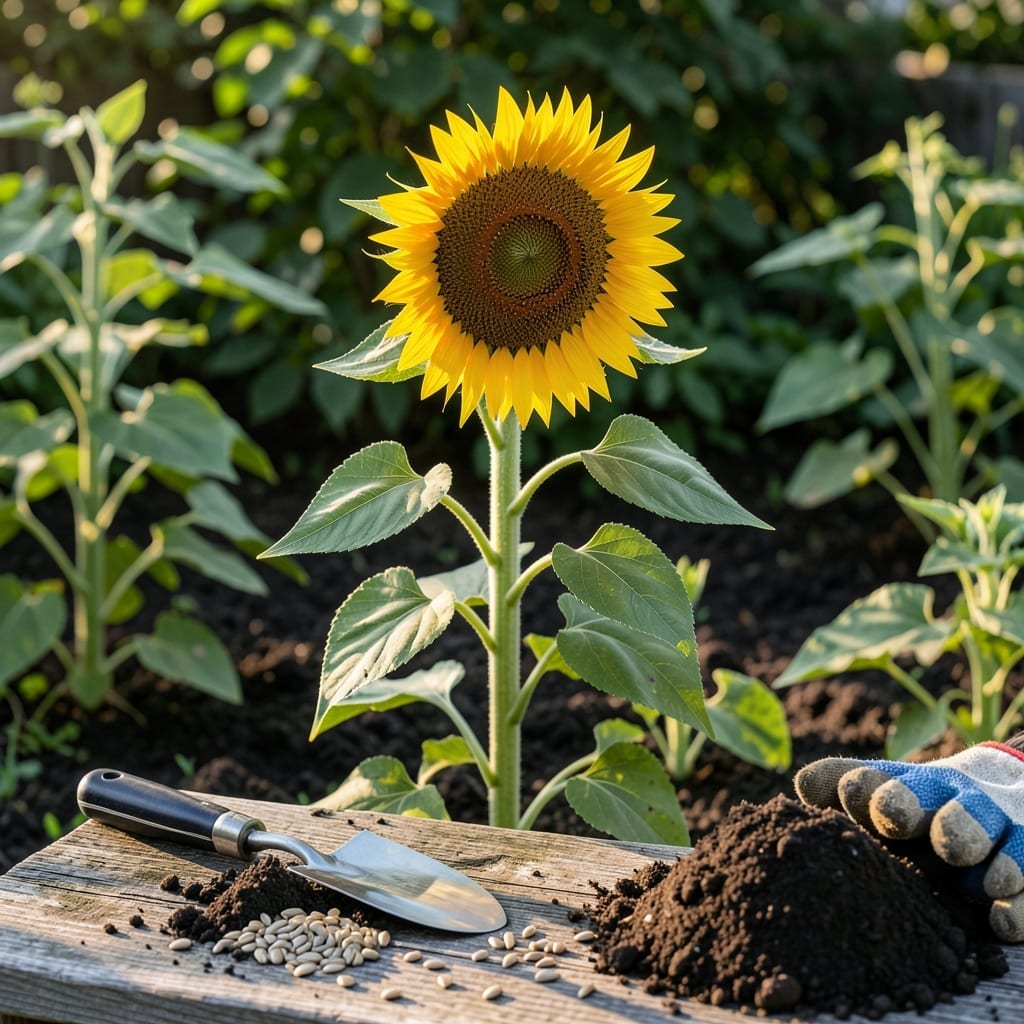
Timing is everything when it comes to planting Sunflowers in Zone 8a, where the right schedule can mean the difference between lackluster stems and a garden bursting with golden blooms.
The 🌻 thrives when the soil warms up in spring, but plant too early or too late, and you might miss the perfect window. I’ve learned that getting this right sets the stage for vibrant, towering flowers.
In Zone 8a, the last frost typically passes by mid-March, giving you a clear starting point. But there’s more to it than just avoiding the cold—soil temperature and moisture play key roles too.
Discover how to align your planting with nature’s rhythm for sunflowers that stand tall and proud all season long. Let’s dig into the details.
In Zone 8a, your sunflower planting window hinges on the last frost date, typically around March 15. I always wait until soil temps hit 55-60°F before direct-sowing seeds outdoors for best results.
For an early start, you can begin indoor seed starting about 4-6 weeks before the last frost. This gives seedlings a head start while avoiding cold soil shock when transplanted.
| Stage | Timing | Notes |
|---|---|---|
| Indoor Start | Early February | 4-6 weeks before last frost |
| Direct Sow | Mid-March to May | Soil temp 55-60°F |
| Succession Plant | Every 2-3 weeks | Extend bloom season |
| Last Safe Date | Early June | For fall blooms |
I’ve found that mid-March to May works beautifully for direct sowing in Zone 8a. The soil warms up quickly here, and sunflowers thrive when planted in this window.
For continuous blooms, try succession planting every 2-3 weeks. This staggering technique ensures you’ll have sunflowers blooming from summer through early fall.
Remember that giant sunflowers need more time, so plant those earlier. Dwarf varieties can go in a bit later since they mature faster.
Zone 8a’s long growing season (about 245 frost-free days) gives you flexibility. You can even plant a late crop in June for autumn blooms before the first frost.
I always check my soil temperature with a simple thermometer. If it’s consistently above 55°F at a 1-inch depth, it’s go time for sunflower seeds.
Don’t forget that sunflowers love full sun – at least 6-8 hours daily. In Zone 8a, most spots in your garden will get this, but watch for shady areas.
For the best start, prepare your soil by removing weeds and adding compost. Sunflowers aren’t picky, but they’ll reward you with stronger stems and bigger blooms in well-draining soil.
If you’re planting in containers, choose large pots and ensure they have drainage holes. Dwarf varieties do especially well in pots on patios or balconies.
Not all sunflowers follow the same timeline in Zone 8a. I’ve found that dwarf varieties like ‘Teddy Bear’ can go in later, while giant types need an earlier start to reach their full potential.
Early-season sunflowers typically mature in 60-70 days, making them perfect for planting through early June for summer blooms. These are ideal for gardeners wanting quick results.
| Variety | Planting Time | Days to Maturity |
|---|---|---|
| Dwarf | April-May | 60-70 days |
| Standard | March-May | 70-85 days |
| Giant | Early March | 85-120 days |
| Multi-branching | March-June | 60-90 days |
Giant sunflowers like ‘Mammoth’ need the longest growing season. I plant these in early March to give them enough time to reach their impressive 12-16 foot heights before summer.
Multi-branching varieties are my favorites for continuous blooms. Plant these from March through June for a succession of flowers that keep producing new buds as older ones fade.
For container gardening, stick with dwarf varieties. These compact sunflowers do well in large pots and typically reach 2-4 feet, perfect for patios or small spaces.
I always recommend checking the seed packet for exact maturity days. This helps fine-tune your planting schedule, especially when trying to coordinate blooms for special events or garden tours.
Remember that soil temperature affects all varieties. Even dwarf sunflowers won’t thrive if planted in cold soil below 50°F. A soil thermometer is an invaluable tool for Zone 8a gardeners.