
Beautiful Plants For Your Interior
Beautiful Plants For Your Interior
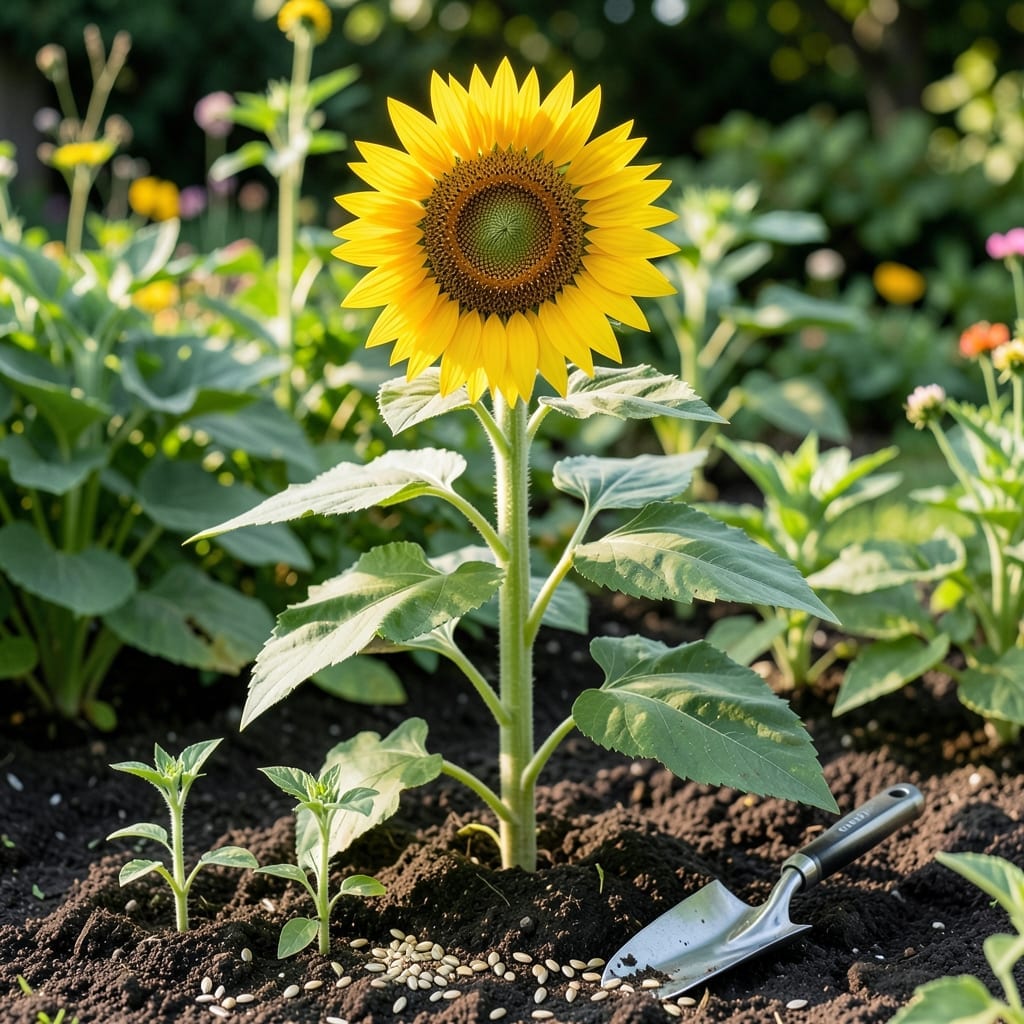
Timing is everything when growing Sunflower 🌻 in Zone 8. Plant too early, and frost might wipe out your seedlings. Wait too long, and you’ll miss the peak growing window for those iconic summer blooms.
I’ve learned the hard way that nailing the right moment makes all the difference. The soil needs to be warm enough, and the last frost date is your critical marker. Get this right, and you’re on your way to towering, vibrant Sunflower.
Whether you’re a first-time gardener or a seasoned pro, knowing the best months sets you up for success. Let’s break down exactly when to start for faster, healthier growth.
Discover the simple timing tricks that ensure your Sunflower thrive in Zone 8’s unique climate. Your summer garden will thank you.
In Zone 8, the last frost typically hits around April 15, making this your green light for planting. I always wait until the soil warms to at least 55-60°F before sowing seeds directly outdoors.
For giant sunflowers, start in mid-April to give them the long growing season they need. Dwarf varieties can go in a bit later, as they mature faster. Perennials prefer early spring or fall planting. ☀️
| Variety | Best Planting Time | Soil Temp | Days to Maturity |
|---|---|---|---|
| Giant | Mid-April | 55-60°F | 85-95 |
| Dwarf | Late April | 55-60°F | 60-70 |
| Perennial | March or Sept | 50-55°F | 120+ |
| Annual | April-May | 55-60°F | 70-85 |
If you’re eager to get a head start, you can begin indoor sowing in late March. Use peat pots to minimize root disturbance when transplanting. Just be sure to harden off seedlings before moving them outside.
Succession planting is a game-changer in Zone 8. I plant a new batch every 2-3 weeks through early June for continuous blooms. This works especially well with dwarf varieties that mature quickly.
For fall sunflowers, plant in late August to enjoy blooms before the first frost. These won’t grow as tall as spring-planted flowers, but they’ll still add cheerful color to your garden as summer fades.
Remember that microclimates matter. If you’re in a warmer part of Zone 8, you might plant 1-2 weeks earlier. Cooler areas or those with heavy clay soil should wait until the soil is reliably warm.
I’ve found that morning planting helps seeds establish better. The cooler temperatures and higher humidity give them a gentle start. Always water thoroughly after planting to settle the soil around the seeds.
Finally, consider your sunflower’s purpose. If you’re growing for cut flowers, plant in staggered rows for easy access. For wildlife gardens, cluster plantings attract more birds and pollinators.
Getting sunflowers to thrive in Zone 8 requires more than just good timing. I’ve found that soil preparation is key to strong, healthy plants with vibrant blooms.
Start by working in 2-3 inches of compost or aged manure to improve drainage and fertility. Sunflowers prefer slightly acidic to neutral soil with a pH between 6.0 and 7.5. 🌱
I always water my sunflowers in the early morning to allow foliage to dry before evening. This helps prevent fungal diseases that can be problematic in humid Zone 8 summers.
For pest control, keep an eye out for aphids and beetles. A strong spray of water can dislodge many pests, while neem oil works well for persistent problems. ☀️
Fertilizing is simple with sunflowers. I use a balanced 5-10-10 fertilizer lightly at planting and again when buds form. Avoid over-fertilizing, which can lead to weak stems and fewer blooms.
Succession planting extends the bloom season. I sow new seeds every 2-3 weeks through early June for continuous color. This works especially well with dwarf varieties that mature quickly.
Finally, don’t forget to rotate your planting locations each year. This helps prevent soil-borne diseases and ensures your sunflowers have access to fresh nutrients. 🌻