
Beautiful Plants For Your Interior
Beautiful Plants For Your Interior
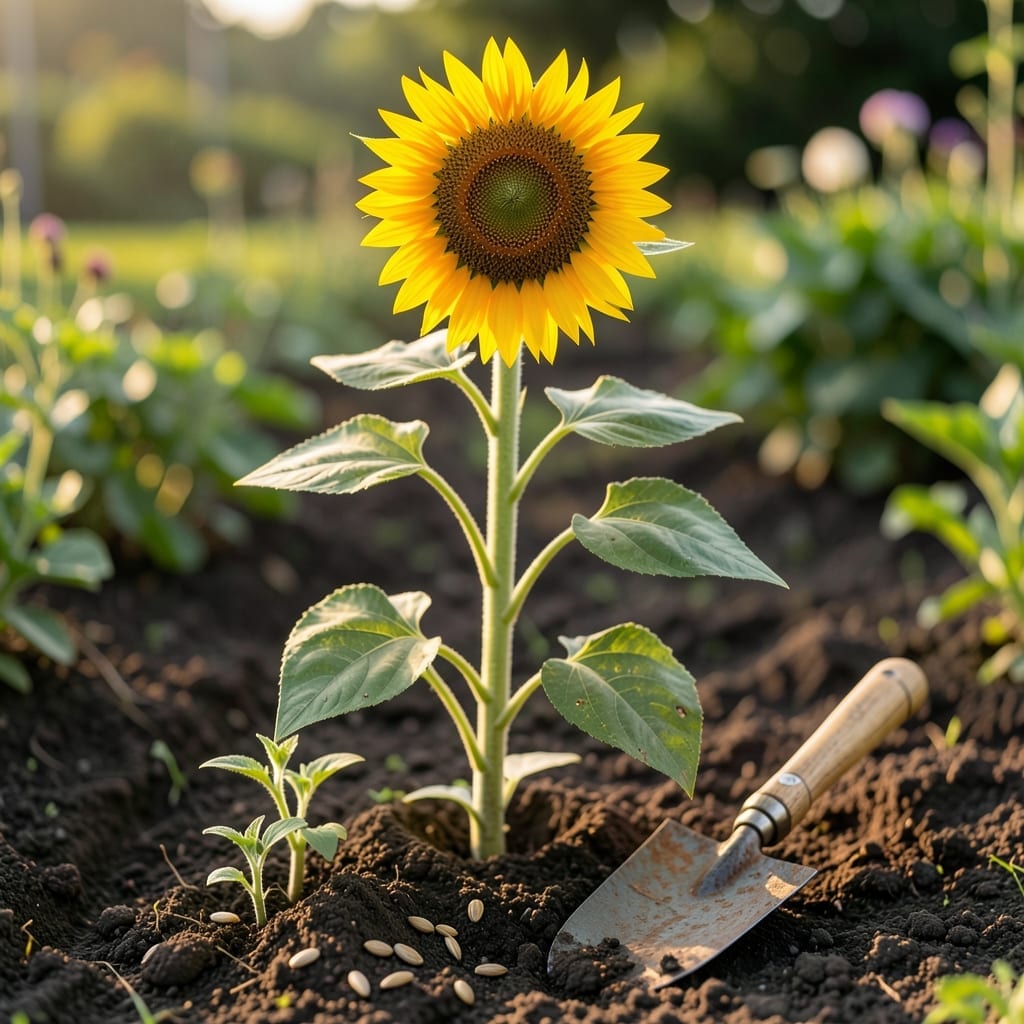
Timing is everything when it comes to growing vibrant sunflowers in Zone 6. Plant too early, and frost can wipe out your seedlings; plant too late, and you’ll miss the peak blooming season.
I’ve learned the hard way that the 🌻 Sunflower thrives when the soil warms up just right. Getting this window perfect means the difference between a lackluster garden and a stunning summer display.
This guide reveals the exact timing to ensure your sunflowers grow tall, strong, and full of life. No more guessing games—just clear, actionable advice.
Discover how to align your planting with Zone 6’s unique climate for the best results every time.
In USDA Zone 6, timing your sunflower planting is critical for success. The last frost typically hits around April 15, so I always wait until after this date to sow seeds directly outdoors.
Soil temperature is another key factor—sunflowers need 55-60°F to germinate properly. In Zone 6, this usually means mid-to-late April through May offers the sweet spot for planting. 🌱
| Planting Factor | Zone 6 Specification |
| Last Frost Date | Around April 15 |
| First Frost Date | Around October 15 |
| Soil Temp Needed | 55-60°F minimum |
| Ideal Planting Window | Mid-April to May |
| Frost-Free Days | About 180 days |
I’ve found that early April plantings can be risky if a late frost sneaks in. For dwarf varieties, you might push the envelope slightly earlier since they’re hardier.
For giant sunflowers, I recommend sticking to late April or early May when the soil has truly warmed. This gives them the full growing season they need to reach their impressive heights.
If you’re itching to get started earlier, you can begin indoors in peanut pots 2-3 weeks before the last frost. Just be sure to harden off your seedlings before transplanting. ☀️
Remember that sunflowers are heat lovers. Planting too early in cold soil will only lead to poor germination or stunted growth. I learned this the hard way my first season!
For succession planting, try sowing a new batch every 2-3 weeks until early July. This extends your bloom season and gives you fresh flowers for months.
Always check your local weather forecast before planting. A surprise late frost can wipe out young seedlings, so I keep frost cloth handy just in case.
Finally, consider your sunflower variety. Some mature in 60 days while others take up to 100 days. Choose accordingly based on your available growing season. 🌻
Planting sunflowers in Zone 6 requires precision in both timing and technique. I always start by checking the soil temperature, which should be at least 55-60°F for optimal germination. This usually aligns with late April or early May in this zone.
Before sowing, I prepare the soil by loosening it to a depth of 12-18 inches and mixing in compost for nutrients. Sunflowers thrive in well-draining soil with a pH of 6.0-7.5. This step ensures strong root development from the start.
I
After planting, I water deeply but infrequently, allowing the top inch of soil to dry between waterings. This mimics their natural drought-tolerant conditions and prevents root rot. Morning watering is best to reduce evaporation.
For pest control, I use bird netting or row covers to protect seeds and young seedlings from birds and squirrels. These critters love sunflower seeds as much as we do!
Finally, I thin seedlings to the recommended spacing once they’re 2-3 inches tall. This prevents overcrowding and ensures each plant has enough resources to grow strong and tall. With these steps, my sunflowers reach 6-12 feet by summer.
🌻