
Beautiful Plants For Your Interior
Beautiful Plants For Your Interior
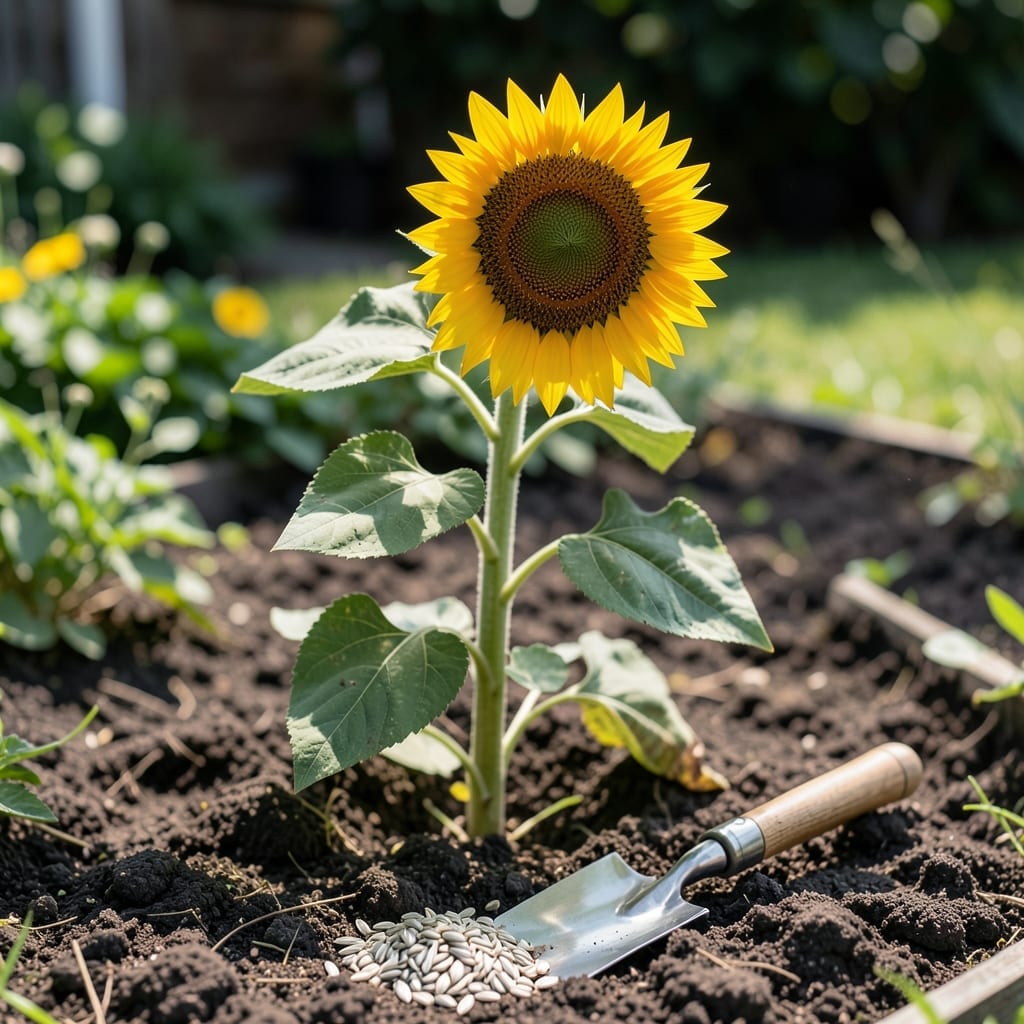
Timing is everything when planting Sunflowers in Virginia—plant too early, and frost can kill your seedlings; too late, and you’ll miss the peak growing season.
From the coastal Tidewater to the mountainous Shenandoah Valley, Virginia’s diverse climates demand different approaches. This isn’t one-size-fits-all advice.
I’ll show you exactly when to get those 🌻 seeds in the ground for maximum growth, whether you’re near the ocean or up in the hills.
Discover the regional differences that most gardeners overlook, and set yourself up for sunflower success this season.
Virginia’s Tidewater region offers a unique climate for sunflowers, with its humid subtropical conditions and moderate winters. Here, the last frost typically arrives around mid-April, making it ideal for early planting.
The optimal window for sunflowers in this area is mid-April to early May. This timing ensures your seeds avoid late frosts while capitalizing on the long growing season and abundant sunshine. 🌻
| Requirement | Specification |
|---|---|
| Last Frost Date | April 10-15 |
| Soil Temp Needed | 55-60°F |
| Best Varieties | Moulin Rouge, Autumn Beauty |
| Planting Depth | 1-1.5 inches |
| Spacing | 12-18 inches apart |
I’ve found that Moulin Rouge and Autumn Beauty varieties thrive particularly well in the Tidewater. These dwarf and multi-branching types handle the humidity better than some taller varieties.
The region’s sandy loam soil drains well, which sunflowers love. But I always recommend adding compost before planting to boost fertility and moisture retention.
Remember, morning planting is best. The soil is warmer, and seedlings get a full day of sunlight to establish. Avoid planting in waterlogged areas—sunflowers hate wet feet! 🌱
If you’re eager to start earlier, you can begin seeds indoors 3-4 weeks before the last frost. But be careful—sunflowers don’t transplant well, so use peat pots that can go directly into the ground.
Watch for pests like aphids and diseases like powdery mildew in this humid climate. Regular checks and neem oil spray can keep problems at bay without harsh chemicals.
Finally, don’t forget to stake taller varieties. The Tidewater’s occasional strong winds can topple mature sunflowers, especially when they’re heavy with seeds. Use bamboo stakes or a trellis for support. ☀️
With these tips, you’ll be rewarded with vibrant blooms from July through September. The Tidewater’s long growing season means you might even get a second planting in late summer for fall flowers!
Planting sunflowers in the Shenandoah Valley requires careful timing due to its higher elevation and later frost dates. Unlike the Tidewater, this region stays cooler longer.
I recommend waiting until late April to mid-May when soil temps consistently hit 55-60°F. This avoids late frost damage while maximizing the growing season. 🌻
For cold-hardy varieties like ‘Moulin Rouge’ or ‘Lemon Queen’, you can push the envelope slightly earlier. These tolerate cooler soil better than most.
Soil prep is critical here. I always amend with compost and ensure good drainage, as mountain soils can stay soggy after spring rains. Test your soil’s temperature with a simple thermometer.
If you’re at higher elevations above 2,000 feet, add another 1-2 weeks to your planting date. Watch the weather—Virginia’s mountains can surprise you with late frosts. ☀️
Remember, sunflowers need full sun, so choose a south-facing spot. In the Valley’s valleys (pun intended), morning fog can linger, so prioritize areas with maximum sunlight exposure. 🌱