
Beautiful Plants For Your Interior
Beautiful Plants For Your Interior
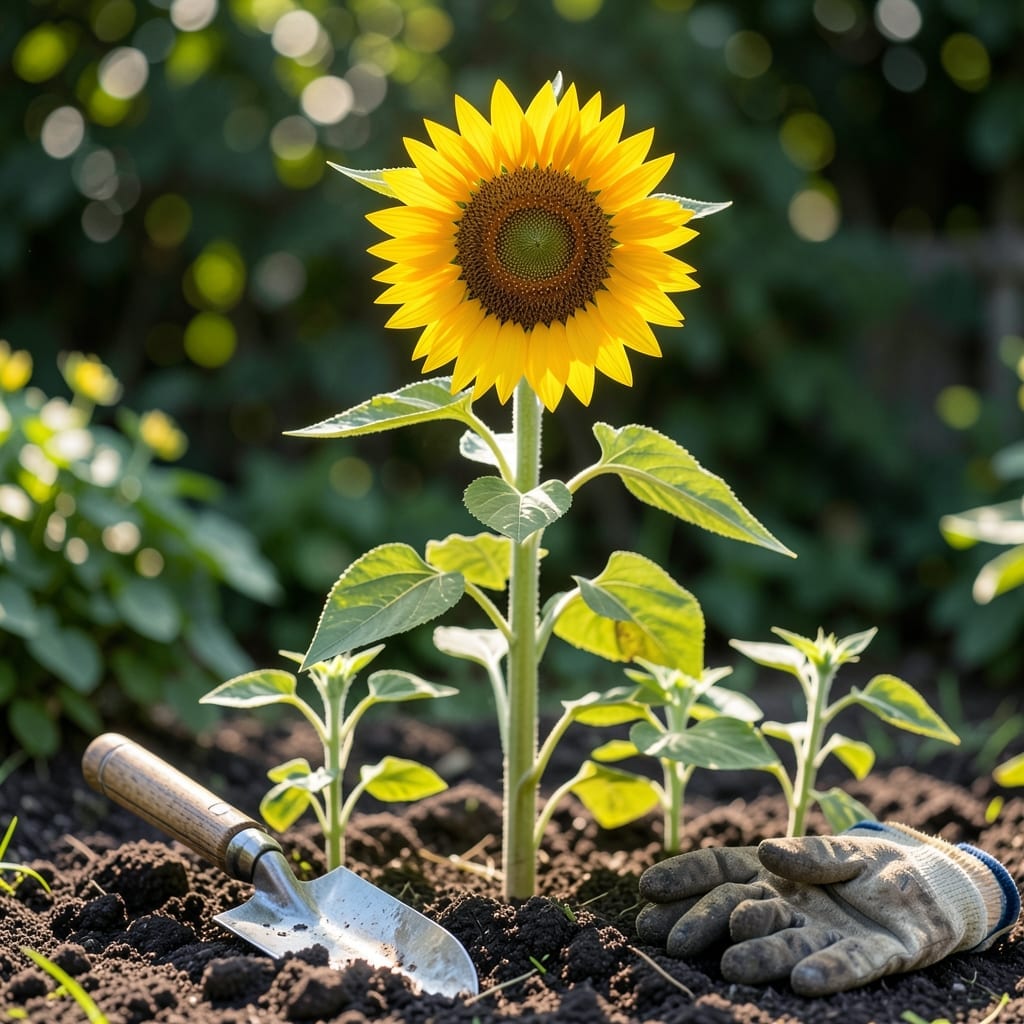
Planting sunflowers at the right time ensures vibrant blooms and healthy growth, but timing depends on your climate and soil conditions. Get it wrong, and you risk stunted 🌻 Sunflower plants or no flowers at all.
I’ve learned that waiting for soil to warm to at least 55-60°F is non-negotiable. Planting too early in cold ground can spell disaster, especially in regions with late frosts.
For most gardeners in zone 6, the sweet spot falls between April and June. This window gives your sunflowers the best chance to thrive before summer heat kicks in.
Discover how to nail the timing and set your garden up for a season of towering, cheerful sunflowers that turn heads and attract pollinators.
I always wait until the last frost date has passed in my area before planting sunflowers directly in the ground. These cheerful giants are frost-sensitive, so planting too early can stunt their growth or kill young seedlings.
For the best results, I check that my soil temperature has reached at least 55-60°F. Sunflower seeds need this warmth to germinate properly, and cold soil can delay sprouting or cause rot.
| Requirement | Specification |
|---|---|
| Last Frost Date | After last spring frost |
| Soil Temperature | 55-60°F minimum |
| USDA Zones | All zones after frost |
| Planting Window | April to June |
| Testing Method | Use a soil thermometer |
In warmer climates like USDA zones 7-10, I can start planting as early as March. But in cooler zones like 3-5, I wait until late April or May when the soil has had time to warm up.
I’ve found that morning planting works best because the soil retains warmth from the previous day. This gives the seeds a better start, especially in areas with cool nights.
If I’m unsure about my local frost dates, I check with my county extension office or use online tools. They provide the most accurate information for my specific location.
For succession planting, I sow new seeds every 2-3 weeks until mid-summer. This extends my blooming season and ensures continuous flowers for cutting or seed harvest.
I always make sure my planting site gets full sun for at least 6-8 hours daily. Sunflowers are sun-worshippers, and insufficient light leads to weak, leggy plants.
Before planting, I test my soil by inserting a meat thermometer about 3 inches deep. If it reads below 55°F, I wait a few more days before sowing my seeds.
In my experience, well-draining soil is just as important as the right temperature. Sunflowers hate soggy roots, so I amend heavy clay soil with compost or sand before planting.
By following these timing guidelines, I consistently get strong, healthy sunflowers that reach their full 6-12 foot potential and produce abundant blooms all season long 🌻
I always start by choosing a sunny location that gets at least 6-8 hours of direct sunlight daily. Sunflowers thrive in full sun, and insufficient light can lead to weak, leggy plants that struggle to bloom.
Next, I prepare the soil by loosening it to a depth of about 12-18 inches. This helps the roots penetrate easily and ensures proper drainage, which is critical for healthy growth.
I amend my soil with organic compost or well-rotted manure to provide the nutrients sunflowers need. These plants are heavy feeders, so rich soil helps them reach their full 6-12 foot potential.
For spacing, I follow the guidelines for my specific sunflower variety. Dwarf types can be planted 6-12 inches apart, while giant varieties need 2-3 feet between seeds to accommodate their massive size.
I plant the seeds 1-2 inches deep and 12 inches apart for standard varieties. After planting, I water the area gently to avoid washing away the seeds or creating puddles that could cause rot.
Finally, I add a layer of mulch around the plants to retain moisture and suppress weeds. This simple step helps my sunflowers establish strong root systems and reduces the need for frequent watering 🌻