
Beautiful Plants For Your Interior
Beautiful Plants For Your Interior
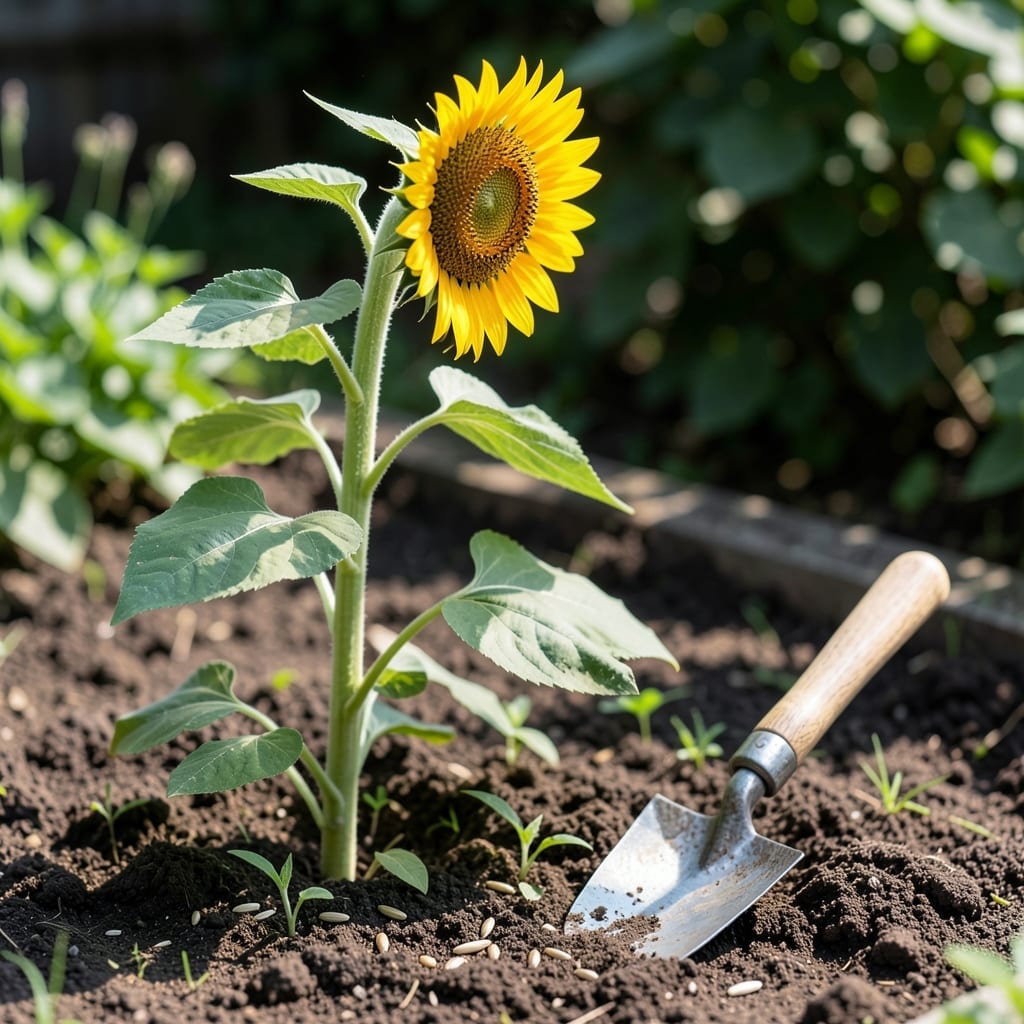
Timing is everything when growing Sunflowers in South Carolina’s unique climate. Plant too early and frost may kill your seedlings; wait too long and the summer heat can stunt their growth.
I’ve seen gardeners struggle with this balance, but there’s a perfect window that ensures vibrant, towering blooms all season. The secret lies in understanding our region’s quirks.
Whether you’re in the coastal plains or the upstate, knowing when to start makes all the difference. Let me guide you through the optimal months for success.
With the right timing, you’ll enjoy those cheerful 🌻 faces from July through September. Here’s how to get it just right.
South Carolina’s diverse climate means planting timing varies by region. In the coastal areas, the last frost typically arrives in mid-March, allowing for earlier planting than inland zones.
For the Piedmont region, where frost lingers until mid-April, gardeners should wait a bit longer to ensure soil temps hit 55°F, which sunflowers require for germination.
| Region | Last Frost Date | Optimal Planting Window | Soil Temp Requirement |
|---|---|---|---|
| Coastal | Mid-March | Late March to early April | 55°F minimum |
| Piedmont | Mid-April | Mid-April to early May | 55-60°F ideal |
| Upstate | Late April | Late April to mid-May | 60°F preferred |
In the Upstate region, the last frost often comes in late April, so planting should begin in late April to mid-May. This ensures the soil has warmed sufficiently for strong root development.
For early-season varieties, like ‘Moulin Rouge’, you can plant as soon as the soil reaches 55°F. These varieties mature faster, often blooming in 60-70 days, which is perfect for avoiding late-summer heat stress.
Mid-season sunflowers, such as ‘Autumn Beauty’, thrive when planted in April to early May across most of South Carolina. They need 75-85 days to mature, making them ideal for a summer bloom.
If you prefer late-season varieties, like ‘Mammoth’, aim for a May planting in all regions. These giants take 90+ days to reach full height, so earlier planting risks frost damage to tender sprouts.
South Carolina’s USDA zones 7b-8a provide a long growing season, but sudden summer storms can topple tall sunflowers. Plant in sheltered spots or use stakes for support to prevent wind damage.
For drought-tolerant varieties, such as ‘Lemon Queen’, planting in May helps them establish deep roots before the hottest months. These types handle South Carolina’s humidity and occasional dry spells better than others.
Always check local soil temps with a garden thermometer before planting. If the soil is still cold, wait a few days—sunflower seeds won’t germinate below 50°F, and you’ll waste precious growing time.
By following these regional guidelines, you’ll give your sunflowers the best start for a vibrant, long-lasting display that thrives in South Carolina’s climate. ☀️
I’ve found that South Carolina’s sandy loam and clay soils need special attention when planting sunflowers. The key is preparing the soil properly before you even think about seeds.
Start by testing your soil’s pH level—sunflowers thrive in 6.0 to 7.5 pH. If it’s too acidic, add lime to balance it out. This step ensures your plants can absorb nutrients effectively.
In my experience, drainage is critical in our humid climate. If your soil retains too much water, consider raised beds to prevent root rot. Sunflowers are drought-tolerant but need consistent moisture early on.
For best results, plant seeds after the last frost when soil temperature hits 55-60°F. This usually falls between mid-April and early May in most South Carolina regions.
Once planted, keep the area weed-free to reduce competition for nutrients. I recommend using mulch to retain moisture and suppress weeds, but keep it 2 inches away from the stem to prevent disease.
With these steps, you’ll see strong sprouts within 7-10 days. Just be patient and resist the urge to overwater—your sunflowers will reward you with stunning blooms by summer 🌻