
Beautiful Plants For Your Interior
Beautiful Plants For Your Interior
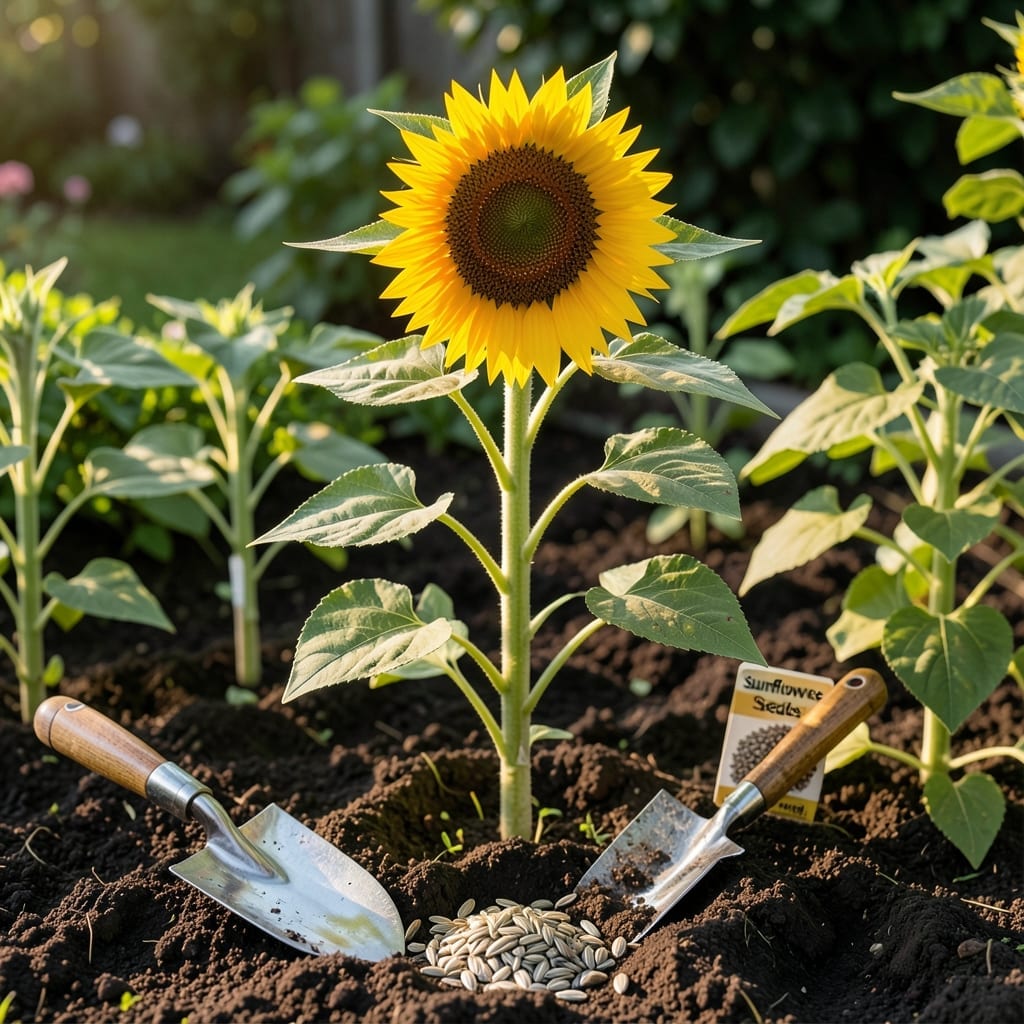
Timing is everything when growing Sunflowers in Portland’s unique climate. Plant too early, and cold soil stunts growth; plant too late, and you’ll miss the peak blooming season.
I’ve learned through experience that April and May offer the sweet spot for these cheerful giants in USDA Zone 8b. The key is waiting until after the last frost date, when the soil warms to at least 55°F.
Portland’s spring rains can delay planting, but don’t rush it. Patience ensures strong roots and vibrant blooms come summer. Whether you’re a first-time gardener or a seasoned pro, nailing this timing makes all the difference.
Discover the exact window for towering, sun-kissed 🌻 that thrive in the Rose City’s conditions. Let’s dig into the details that’ll set your garden up for success.
Portland’s USDA Zone 8b climate gives us a unique advantage for growing sunflowers. The last frost typically hits around April 15, making this the earliest safe planting date for most varieties.
Soil temperature is critical—sunflower seeds need at least 55°F to germinate properly. In Portland, this usually aligns with mid to late April, but I always check with a soil thermometer to be sure.
| Variety | Planting Window | Soil Temp | Height |
|---|---|---|---|
| Dwarf | Mid April to May | 55°F+ | 2-4 ft |
| Standard | Late April to May | 60°F+ | 6-12 ft |
| Giant | Early May | 65°F+ | 12+ ft |
| Perennial | May to early June | 60°F+ | 4-6 ft |
For dwarf sunflowers, I start seeds indoors in early April to get a head start. This helps avoid the unpredictable spring rain that can delay outdoor planting in Portland.
Standard varieties like the classic Helianthus annuus thrive when direct-sown after the last frost. I’ve found they establish best when planted in late April with consistent sunlight.
If you’re aiming for giant sunflowers, wait until early May. These varieties need warmer soil and more time to reach their impressive height before summer heat kicks in.
Perennial sunflowers are a bit different. I plant these in May or early June to ensure they establish strong roots before winter. They’ll return year after year with minimal effort.
Portland’s clay-heavy soil can be a challenge. I amend my planting beds with compost to improve drainage, especially for taller varieties that need stable footing against wind.
Remember, microclimates matter in Portland. South-facing spots warm up faster, so I prioritize these areas for early planting. North-facing or shaded areas may need to wait until late May.
Finally, keep an eye on the 10-day forecast. If a late cold snap is predicted, I delay planting or use row covers to protect young seedlings. This extra care ensures a strong start for vibrant blooms. 🌻
Portland’s climate presents unique challenges for sunflower enthusiasts. The spring rains can delay planting, but I’ve found that choosing the right microclimate can make all the difference for strong, healthy growth.
I always recommend selecting the sunniest spot in your garden, especially in areas where buildings or trees might cast shadows. Sunflowers need at least 6 hours of direct sunlight to thrive in our region.
5 Portland Tips for Sunflowers
Portland’s clay-heavy soil can be tough on sunflower roots. I’ve had great success mixing in organic compost to improve drainage and provide essential nutrients for those towering stems.
The wind exposure in some Portland neighborhoods can topple young sunflowers. I use temporary windbreaks or stakes until the plants establish strong root systems, especially for the taller varieties.
Don’t forget about pest prevention. Slugs love Portland’s damp springs as much as we do, and they’ll munch on young sunflower seedlings. I use organic slug bait or copper tape around my beds.
Finally, remember that consistent watering is key, especially during dry spells. While sunflowers are drought-tolerant once established, they’ll reward you with bigger blooms if you keep the soil moist during their growth phase.
☀️