
Beautiful Plants For Your Interior
Beautiful Plants For Your Interior
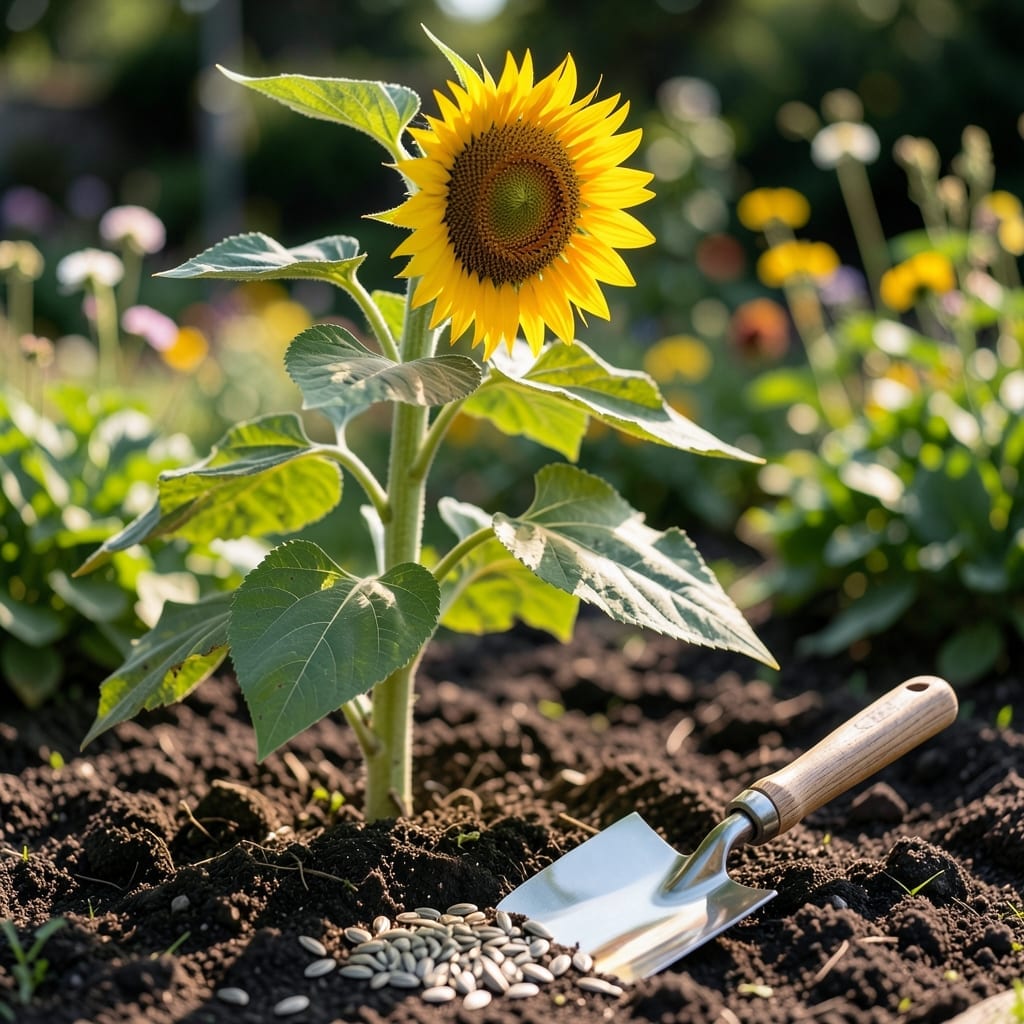
Timing is everything when it comes to planting Sunflowers 🌻 in Pennsylvania—plant too early, and frost can wipe out your seedlings.
Too late, and you’ll miss the peak growing season. The difference between a struggling plant and a towering beauty often comes down to just a few weeks.
I’ve tested various planting windows in my own garden, and the results were eye-opening. There’s a perfect window that ensures vibrant, healthy blooms.
Let me show you exactly when to get those seeds in the ground for the best summer display in zones 6a-7b.
In Pennsylvania, the ideal time to plant sunflowers depends on your USDA hardiness zone. Most of the state falls in zones 5-7, which means you can start sowing seeds after the last frost date, typically around April 15th.
For the best results, wait until the soil temperature reaches at least 55-60°F. In warmer areas like Philadelphia, you might plant earlier, while cooler regions like Pittsburgh may need to wait until late April or early May. Sunflowers thrive in warm soil, so timing is key. 🌻
| Zone | Last Frost Date | Planting Window | Soil Temp |
|---|---|---|---|
| 5 | April 20-30 | Late April – May | 55°F+ |
| 6 | April 10-20 | Mid April – Early May | 55-60°F |
| 7 | April 1-10 | Early April – May | 60°F+ |
If you’re in zone 5, it’s safer to wait until late April to avoid unexpected frosts. For zone 7, you can start as early as early April, provided the soil is warm enough. Always check your local frost dates for precision.
For fast-maturing varieties like ‘Autumn Beauty’ or ‘Moulin Rouge’, you can push the planting window to early June if you want late-summer blooms. These types mature in about 60-70 days, making them ideal for shorter seasons.
In Pennsylvania, the growing season typically lasts 180 days, giving you plenty of time for multiple plantings. If you’re aiming for continuous blooms, stagger your plantings every 2-3 weeks through early summer.
Remember, sunflowers need full sun and well-draining soil. If your garden has heavy clay, amend it with compost or sand to improve drainage. This ensures your seeds won’t rot before they sprout.
For those in urban areas with warmer microclimates, you might get away with planting a week or two earlier. However, rural areas or higher elevations should stick to the standard timeline to avoid frost damage. 🌱
If you’re unsure about your soil temperature, use a soil thermometer. It’s a small investment that can save your sunflower seeds from poor germination. I always recommend testing a few spots in your garden, as temperatures can vary.
Finally, keep an eye on the 10-day forecast before planting. If a cold snap is predicted, hold off until temperatures stabilize. Sunflowers are hardy, but young seedlings are vulnerable to frost. 🌿
Planting sunflowers in Pennsylvania starts with picking the right seeds for your space. I love dwarf varieties like ‘Teddy Bear’ for small gardens and ‘Mammoth’ for tall, dramatic displays. Choose high-quality seeds from reputable suppliers.
Prep your soil thoroughly—sunflowers thrive in well-draining, slightly alkaline soil with a pH of 6.0 to 7.5. I always mix in compost or aged manure to boost fertility before planting.
Once planted, water deeply once a week, giving each plant about 1-2 inches of water. I’ve found that morning watering helps prevent fungal diseases while keeping roots happy.
Avoid overwatering—sunflowers are drought-tolerant once established. If you notice yellowing leaves, it’s often a sign of too much water or poor drainage. Adjust accordingly.
For maximum growth, place your sunflowers in a full-sun location with at least 6-8 hours of direct sunlight daily. In Pennsylvania, south-facing spots work best for these sun-loving giants.
Finally, fertilize lightly with a balanced 5-10-10 fertilizer every 4-6 weeks during the growing season. This encourages strong stems and vibrant blooms without excessive foliage. 🌻