
Beautiful Plants For Your Interior
Beautiful Plants For Your Interior
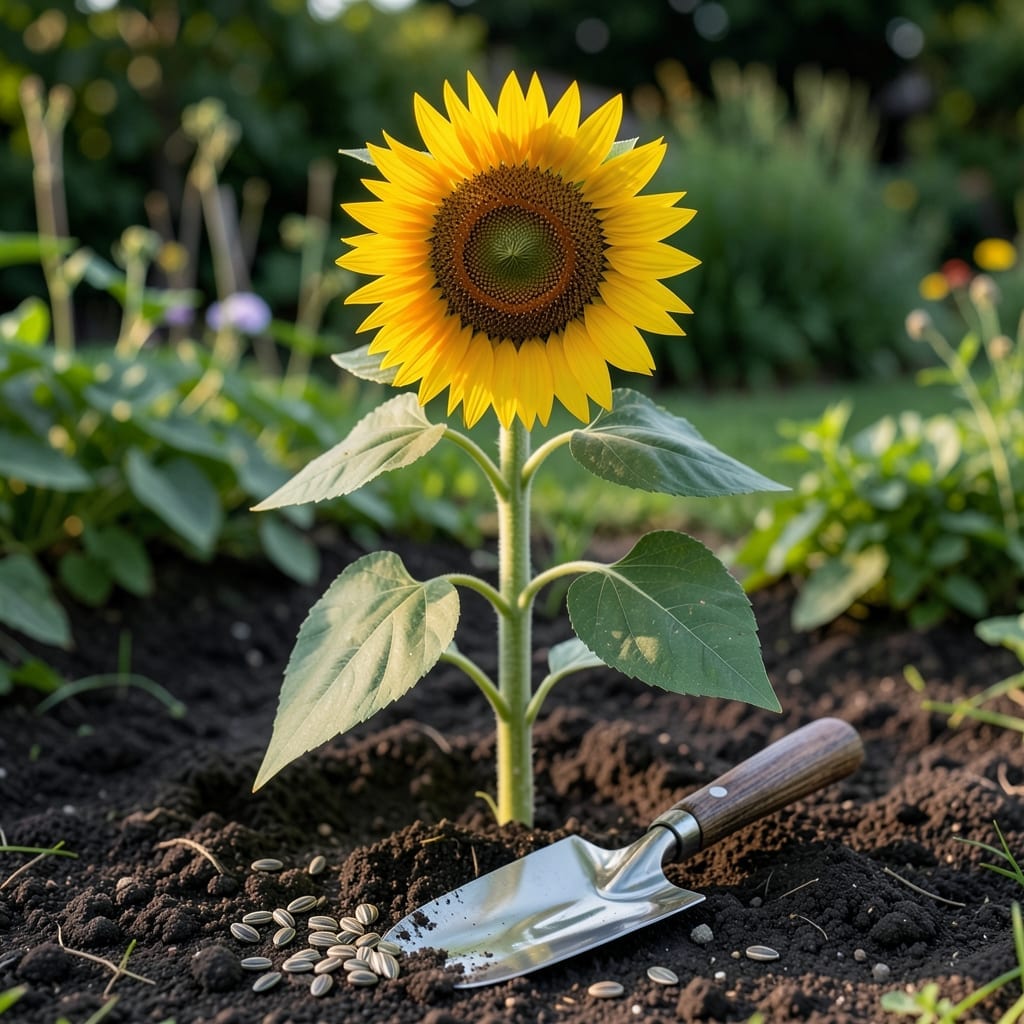
Timing is everything when growing Sunflowers in North Texas, where the fierce summer heat can make or break your blooms. Plant too early, and a late frost might wipe out your seedlings.
Plant too late, and the scorching sun could stunt their growth. This delicate balance is what separates thriving gardens from disappointing ones.
I’ve learned the hard way that getting the timing right is the key to those magnificent 8-12 ft tall stalks with vibrant yellow faces. The good news? There’s a sweet spot that works perfectly for our 8a climate.
Let me show you exactly when to get those seeds in the ground for the best results. We’ll cover all the seasonal nuances that make North Texas unique.
In North Texas, sunflower planting hinges on avoiding late frosts and extreme heat. Our USDA Zone 8a climate means we can start seeds March through May for summer blooms. Soil temperature must be 55-60°F for germination.☀️
The last frost date in North Texas is typically March 15. Planting 2-3 weeks after this date ensures your sunflower seedlings won’t be damaged by cold snaps. For fall blooms, sow seeds in late July or early August.🌱
| Season | Planting Window | Bloom Time | Soil Temp |
| Early Spring | March – April | July – August | 55-60°F |
| Late Spring | May | August – September | 60-70°F |
| Late Summer | July – August | October – November | 75-85°F |
For spring planting, aim for March 20 to April 15. This window gives sunflowers time to establish before summer heat arrives. I always check the 10-day forecast to avoid unexpected cold snaps. Dwarf varieties can handle slightly cooler soil.🌻
If you miss the spring window, don’t worry. Late summer planting works well for fall sunflowers. Sow seeds from July 20 to August 10 for blooms before the first frost in mid-November. These flowers often thrive with less pest pressure.
Soil preparation is key. I till the ground to 12 inches deep and mix in compost for better drainage. Sunflowers hate waterlogged roots, so ensure your soil drains well. Full sun exposure is non-negotiable—at least 6-8 hours daily.💧
For giant sunflowers, start seeds indoors 4-6 weeks before transplanting. This head start helps them reach maturity before peak summer heat. Smaller varieties like ‘Teddy Bear’ or ‘Autumn Beauty’ do fine with direct sowing.
Succession planting extends your bloom season. I plant a new batch every 2-3 weeks from March to July. This way, I enjoy continuous sunflowers from early summer through fall. Just adjust watering as temperatures rise.✂️
Watch for soil crusting in our clay-heavy North Texas soil. If the surface hardens after rain, gently break it up to help seedlings emerge. A light mulch of straw or shredded leaves can prevent this issue while retaining moisture.
Finally, remember that sunflowers are drought-tolerant once established, but consistent moisture is crucial during germination and early growth. I water deeply once a week, adjusting for rain. With the right timing, you’ll have stunning blooms all season long.🌿
Choosing the right sunflower variety for North Texas can make all the difference in your garden’s success. Our hot summers and mild winters create unique growing conditions that favor some types over others.
I’ve tested several varieties and found that dwarf sunflowers thrive in containers, while giant varieties need more space and careful timing to avoid heat stress.
| Variety | Best Planting Time | Days to Maturity | Heat Tolerance |
|---|---|---|---|
| Dwarf (2-4 ft) | Mid-March to April | 60-70 days | High |
| Standard (8-12 ft) | Early April to May | 80-120 days | Moderate |
| Multi-branching | Late March to early April | 70-90 days | High |
The standard sunflowers we all love need extra attention in our climate. I recommend starting them in early April when the soil has warmed to at least 55-60°F. This gives them time to establish before the summer heat kicks in.
For fall blooms, try planting multi-branching varieties in late July. They’ll mature just as the worst heat passes, giving you beautiful flowers through October. These types handle our Texas summers particularly well.
Dwarf varieties are perfect for container gardening or small spaces. Their compact size makes them less susceptible to wind damage, which can be a problem for taller sunflowers in our occasionally stormy springs.
Remember that soil preparation is key regardless of variety. Our North Texas clay benefits from compost amendment to improve drainage. I always mix in 2-3 inches of organic matter before planting.
Each variety brings something special to your garden, from the cheerful faces of dwarfs to the impressive height of giants. Experiment to find your favorites!