
Beautiful Plants For Your Interior
Beautiful Plants For Your Interior
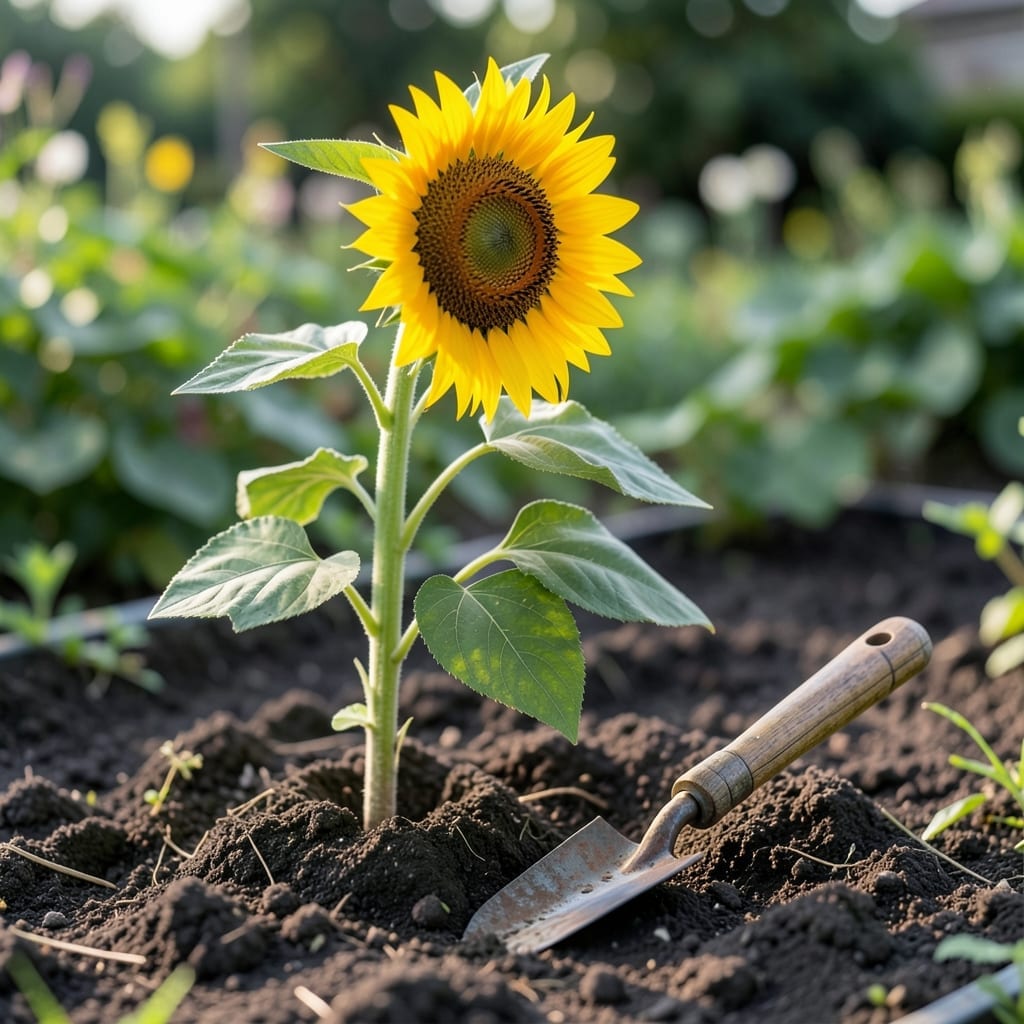
Timing is everything when it comes to growing Sunflower in Georgia’s unique climate. Plant too early, and a late frost could ruin your crop; plant too late, and the summer heat may stunt their growth.
I’ve learned the hard way that getting the timing right makes all the difference. In zone 8a, the window is narrow but perfect for vibrant blooms. You’ll want to aim for that sweet spot when the soil is warm enough to welcome those seeds.
Whether you’re a seasoned gardener or just starting out, knowing the ideal planting window ensures your Sunflower will thrive. The good news? It’s simpler than you might think.
Discover the best time to plant and how to set your garden up for success. Let’s make this your most colorful growing season yet.
Georgia’s diverse climate spans USDA zones 7a-8b, making sunflower planting times vary slightly. In zone 7a, I wait until mid-April to avoid late frosts, while zone 8b gardeners can start early April for longer blooms. ☀️
The last frost date is your green light—April 15 for most of Georgia. I always check soil temperature too; it should hit 55-60°F before sowing seeds directly outdoors. 🌱
| Zone | Planting Window | Last Frost Date | Soil Temp |
|---|---|---|---|
| 7a | Mid-April to May | April 10-15 | 55°F+ |
| 7b | Early April to May | April 5-10 | 55°F+ |
| 8a | Early April to May | March 25-April 5 | 55°F+ |
| 8b | Late March to April | March 20-25 | 55°F+ |
For dwarf sunflowers, I plant 2-3 weeks earlier since they mature faster. Giant varieties need the full season, so I stick to April-May planting to ensure they reach 10-16 ft before fall. 🌻
Georgia’s humid subtropical climate means summer heat can stress sunflowers. I avoid June plantings unless I’m in the mountain regions, where temperatures stay milder. Early planting also helps beat drought conditions. 💧
If you’re in north Georgia, watch for late frosts in zone 7a. I’ve lost seedlings to a surprise cold snap in mid-April, so I now use row covers for early plantings. It’s better to wait than risk it! 🌡️
For succession planting, I sow new seeds every 2-3 weeks until early July. This gives me continuous blooms from June to October, perfect for pollinators and fresh-cut flowers. ✂️
In south Georgia, zone 8b gardeners can push the envelope. I’ve seen sunflowers planted in late March thrive, but I still recommend waiting until soil warms to avoid slow germination. Patience pays off! 🌿
Remember, sunflowers are drought-tolerant once established, but young seedlings need consistent moisture. I water deeply once a week unless we’re in a dry spell, then I increase to twice weekly. 💧
Finally, test your soil before planting. Sunflowers prefer well-draining soil with a pH of 6.0-7.5. I amend heavy clay with compost to improve drainage and give my sunflowers the best start. 🪴
Georgia’s humid subtropical climate creates unique conditions for growing sunflowers. The key is preparing your soil properly and timing your watering schedule to match the season’s demands.
I always start by ensuring my soil is well-draining and enriched with organic compost. Sunflowers in Georgia thrive in loamy soil with a pH of 6.0-7.5, which helps them withstand the summer heat.
In Georgia, pest control is crucial, especially for squirrels and birds that love sunflower seeds. I use netting or protective cages once the flowers start forming seeds to keep critters at bay.
For fungal disease prevention, ensure good air circulation between plants. Spacing your sunflowers 12-24 inches apart helps reduce humidity-related issues like powdery mildew.
If you’re dealing with clay-heavy soil, amend it with sand or compost to improve drainage. Georgia’s red clay can be tough on sunflower roots if not properly prepared.
Finally, remember that drought-tolerant varieties like ‘Moulin Rouge’ or ‘Autumn Beauty’ perform exceptionally well in Georgia’s dry summers. These types need less frequent watering once established.
With these Georgia-specific tips, your sunflowers will grow tall and strong, ready to brighten your garden from summer to fall 🌻