
Beautiful Plants For Your Interior
Beautiful Plants For Your Interior
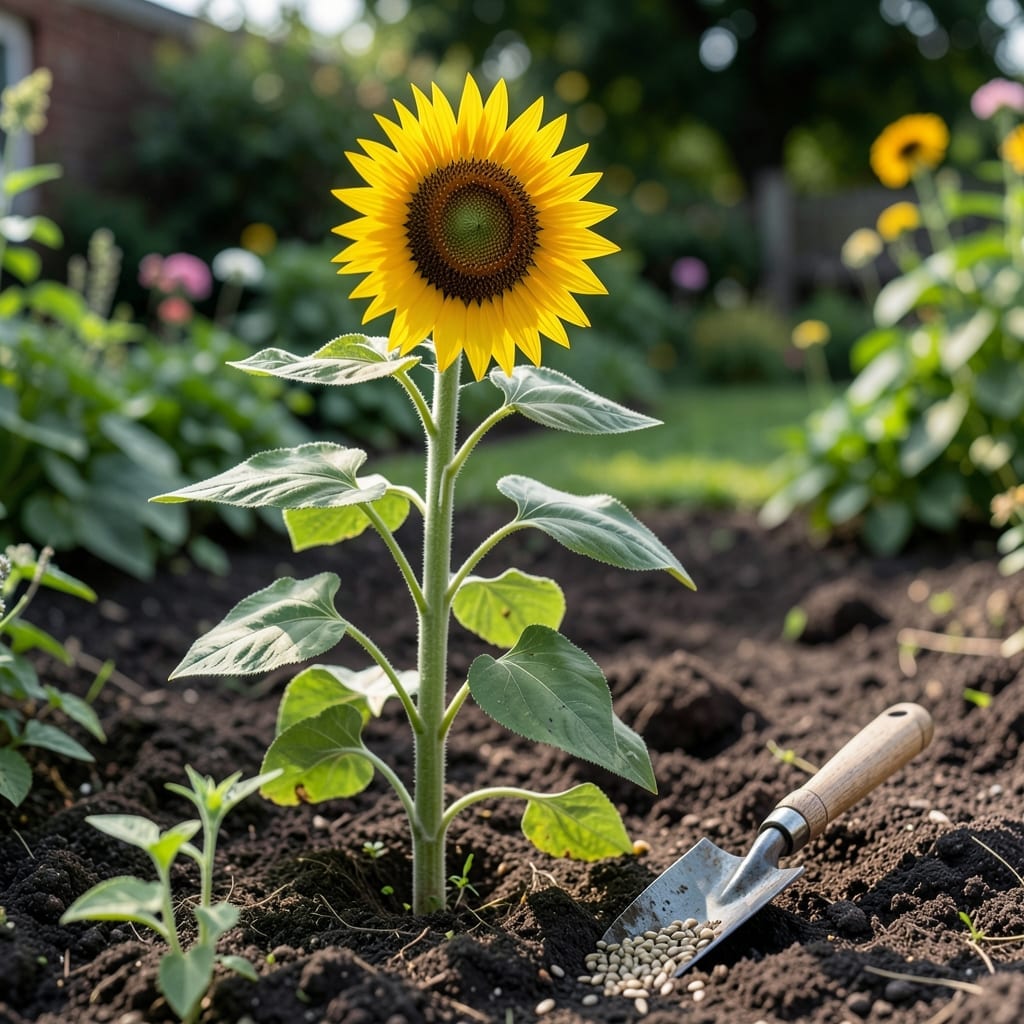
Timing is everything when it comes to growing vibrant sunflowers in East Texas. Plant too early, and a late frost could ruin your crop; too late, and you’ll miss the peak growing season.
The 🌻 Sunflower thrives when the soil warms up in our 8a zone, but knowing the exact window makes all the difference.
I’ve tested different planting times in my own garden, and the results were eye-opening. The right schedule ensures strong stems and bigger blooms.
Discover the simple, zone-specific approach that guarantees your sunflowers will stand tall and proud all season long.
In East Texas, timing your sunflower planting is crucial for success. Our USDA zones 8a-8b mean we enjoy a long growing season, but late frosts can still catch us off guard. I always wait until soil temps hit 60-70°F before sowing seeds.🌻
For most varieties, mid-March to early April is the sweet spot. This timing avoids the last frost (typically March 15) while giving plants enough time to mature before summer heat peaks. Dwarf varieties can go in slightly earlier, while giant sunflowers need the full warmth of April.🌱
I’ve found that succession planting works wonders in East Texas. Start with dwarf varieties in early March, then plant standard types two weeks later. This staggering gives you continuous blooms from June through September. Just be sure to check soil temps with a thermometer.☀️
Our last average frost is March 15, but I always watch the 10-day forecast before planting. A sudden cold snap can stall growth. If you’re eager to start earlier, consider indoor sowing 2-3 weeks before transplanting. This works especially well for giant sunflowers that need a head start.🌿
For perennial sunflowers, like Helianthus maximiliani, I plant in late March. These come back year after year and are incredibly drought-tolerant once established. They’re perfect for East Texas gardens that see hot, dry summers.
Remember that soil preparation is just as important as timing. I always test my soil pH (aim for 6.0-7.5) and work in compost before planting. East Texas clay can be heavy, so improving drainage is key for healthy root development.
If you’re in a microclimate with slightly cooler temps, you might need to adjust. Areas near Tyler or Longview can plant a week earlier than Lufkin or Beaumont. Local garden centers are great resources for hyper-local advice.🌻
For cut flower production, I plant new seeds every 2-3 weeks through early May. This ensures a steady supply of fresh blooms for arrangements. Just be mindful of space requirements—some varieties need 2-3 feet between plants.
Finally, don’t forget about pest control. In East Texas, squirrels and birds love sunflower seeds. I use net covers for young plants and organic repellents to protect my investment. Timing your planting right helps, but vigilant care ensures success.
Preparing your East Texas soil for sunflowers starts with understanding the region’s clay-heavy composition. I always recommend testing your soil pH first—sunflowers thrive in a range of 6.0 to 7.5. This simple step can save you a lot of trouble down the line.
East Texas soil often drains poorly, which can suffocate sunflower roots. To fix this, I mix in organic compost or aged manure to improve aeration and drainage. This also adds the nutrients sunflowers crave for strong stems and vibrant blooms.
If your garden has poor drainage, consider planting sunflowers in raised beds. This gives you more control over the soil mix and prevents waterlogging, which is a common issue in East Texas after heavy rains.
Sunflowers are drought-tolerant once established, but they need consistent moisture during germination. I water my sunflower patches deeply once a week unless we’ve had significant rainfall. Mulching helps retain moisture in our hot climate.
Don’t forget about sunlight exposure. Sunflowers need full sun, meaning at least 6-8 hours of direct light daily. In East Texas, this is usually easy to achieve, but watch for shading from trees or buildings.
Finally, consider succession planting to extend your sunflower season. I plant a new batch every 2-3 weeks from early March through May. This ensures continuous blooms and a longer harvest window for seeds or cut flowers. 🌻