
Beautiful Plants For Your Interior
Beautiful Plants For Your Interior
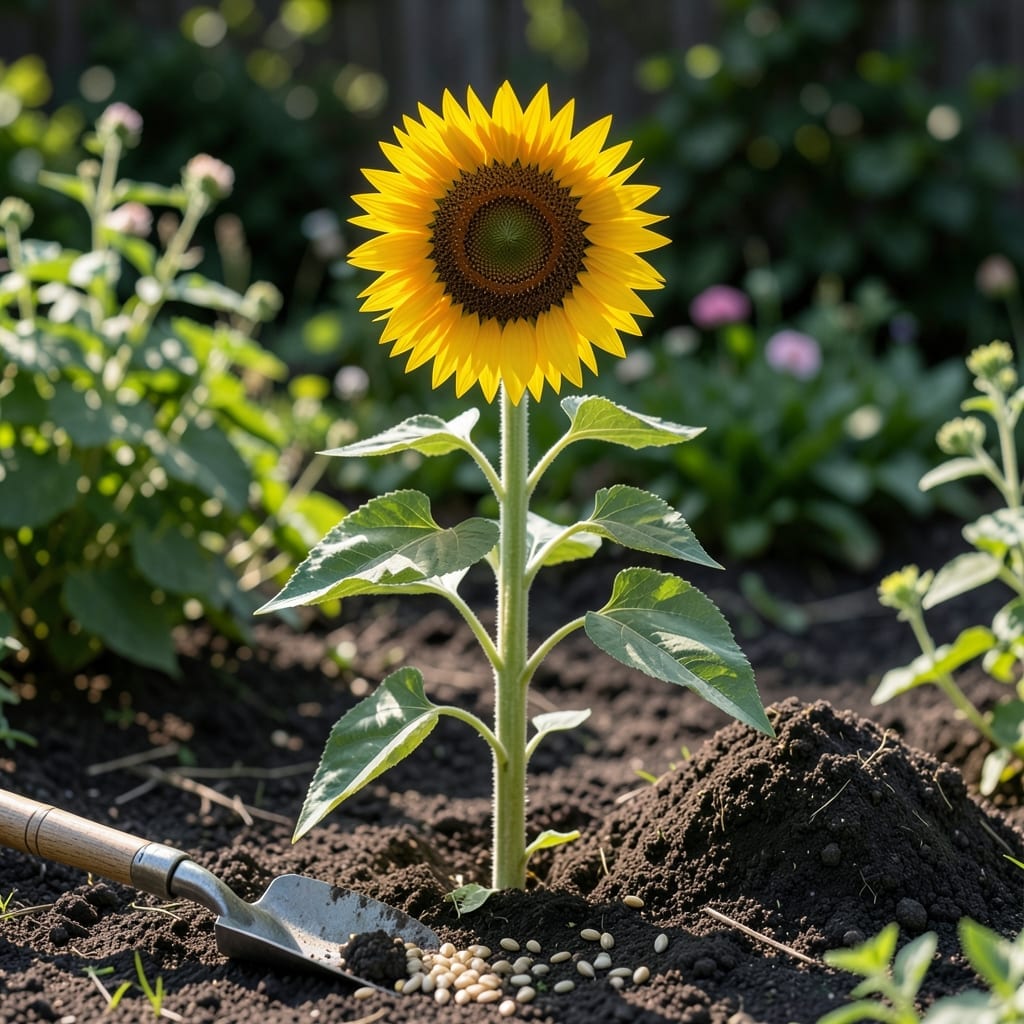
Timing is everything when growing vibrant sunflowers in East Tennessee. Plant too early, and frost may wipe out your seedlings. Wait too long, and you’ll miss the peak blooming season entirely.
As someone who’s tested different planting windows in zone 7a, I can tell you the difference between a mediocre harvest and a spectacular one comes down to just a few weeks.
The 🌻 Sunflower thrives when the soil warms up properly, and in our region, that means paying close attention to the calendar and the thermometer.
Discover exactly when to get those seeds in the ground for the biggest, brightest blooms East Tennessee has ever seen.
East Tennessee’s USDA zones 6b-7a give us a unique window for sunflowers. The last frost date typically falls around April 15, but soil temperature is the real deciding factor. I never plant until the soil hits 55-60°F at least 2 inches deep.
For most varieties, this means mid-April to early May is your sweet spot. But the exact timing shifts slightly depending on whether you’re growing dwarf, giant, or perennial sunflowers. Here’s how to nail it for each type 🌻
| Sunflower Type | Ideal Planting Window | Days to Maturity | Key Notes |
|---|---|---|---|
| Dwarf Varieties | Early April – Mid May | 50-60 days | Tolerates slightly cooler soil |
| Standard Varieties | Mid April – Early May | 70-85 days | Wait for 60°F soil |
| Giant Varieties | Late April – Mid May | 90-120 days | Needs warmest soil |
| Perennial | May – Early June | 200+ days | Plant after all frost risk |
Our region’s humidity and summer heat can be both a blessing and a challenge. The good news is that sunflowers thrive in heat, but they do need consistent moisture during germination. I’ve found that morning planting helps reduce transplant shock.
For dwarf varieties like ‘Teddy Bear’ or ‘Sunspot’, you can push the envelope slightly. These smaller types handle cooler soil better than their taller cousins. I’ve successfully planted these as early as late March in protected microclimates.
Standard sunflowers, like the classic ‘Moulin Rouge’ or ‘Autumn Beauty’, do best when planted 2-3 weeks after the last frost. This usually aligns with mid-April in most of East Tennessee. They need that extra warmth to develop strong stems.
The real giants—think ‘Russian Giant’ or ‘Mammoth’—require the warmest soil. I wait until late April or even early May for these. They take longer to mature, and rushing them can lead to stunted growth. Patience pays off with 12-foot tall beauties!
Perennial sunflowers are a different story. These come back year after year, so you want to give them the best start possible. I plant these in May when the soil is thoroughly warmed. They establish slowly the first year but reward you with bigger blooms in subsequent seasons.
Remember, these are guidelines, not hard rules. East Tennessee’s microclimates vary dramatically. If you’re in a low-lying area or near a body of water, your planting window might shift by a week or two. When in doubt, check your soil temperature with a simple thermometer 🌡️
Planting sunflowers in East Tennessee starts with soil prep. I always test my soil first to ensure it’s well-draining and slightly acidic. Our region’s clay-heavy soil can be tricky, so amending with compost is a game-changer.
Once the soil is ready, I plant seeds 1 inch deep and 6-12 inches apart, depending on the variety. Tall sunflowers like Mammoth need more space, while dwarf types can be closer. Always check the seed packet for specifics.
After planting, I water deeply to help roots establish. In East Tennessee’s summer heat, I water 2x weekly if rain is scarce. Mulching helps retain moisture, but avoid piling it too high around the stem.
For tall varieties like Russian Giant, staking is essential. Our region’s occasional strong winds can topple even the sturdiest stems. I use bamboo stakes and soft ties to support them without damaging the plant.
East Tennessee’s humidity can invite fungal issues, so I ensure good air circulation by spacing plants properly. Companion planting with marigolds can deter pests like aphids, which love sunflowers.
Finally, I monitor for pests and diseases regularly. Early intervention with neem oil or row covers can save your crop. With the right care, your sunflowers will reward you with stunning blooms all season long. 🌻