
Beautiful Plants For Your Interior
Beautiful Plants For Your Interior
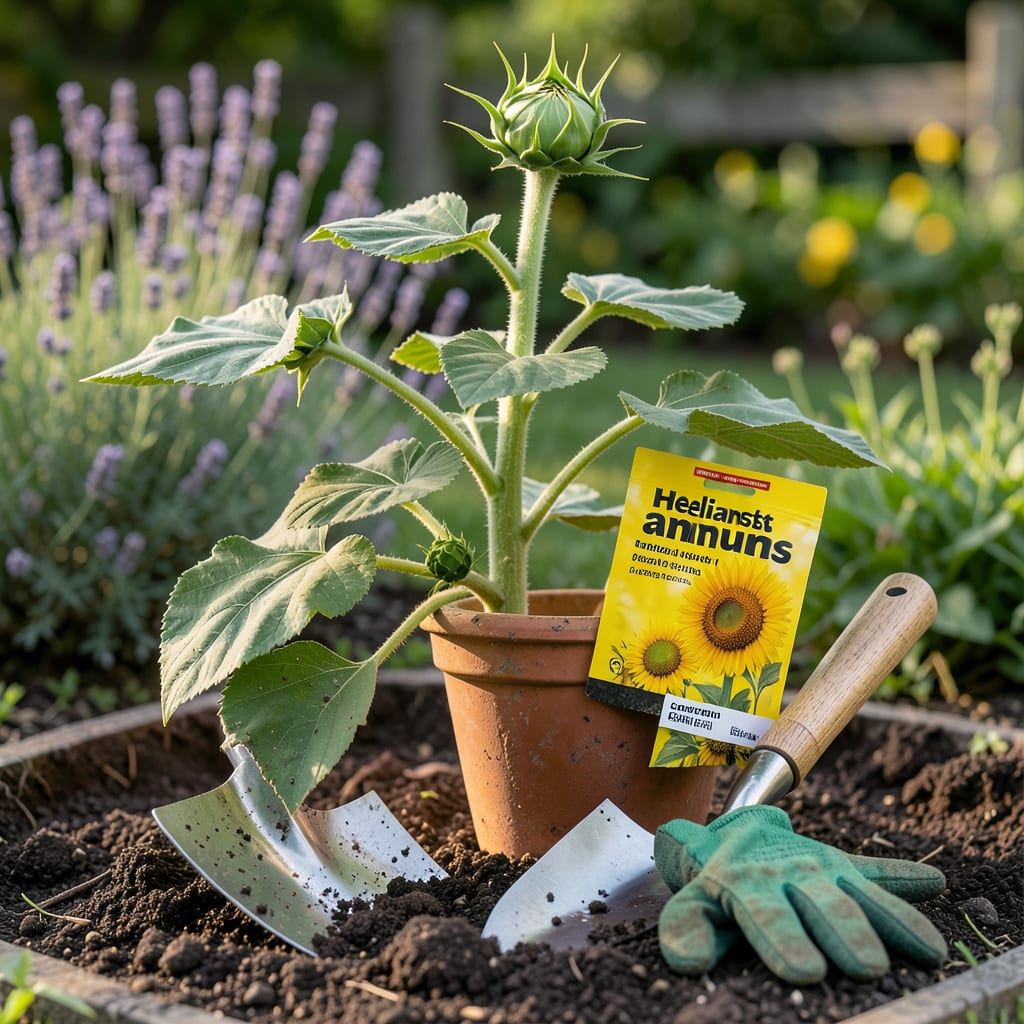
Colorado’s unpredictable springs can turn sunflower dreams into frost-bitten disappointments—unless you know the exact window to plant. One week too early or late, and you risk stunted growth or missed blooms entirely.
After testing varieties from the Front Range to high-country gardens, I’ve cracked the code for towering, vibrant 🌻 sunflowers that thrive despite elevation swings and late frosts. Here’s how to time your planting for maximum impact—no guesswork required.
Colorado’s diverse elevations mean your sunflower planting window shifts dramatically—what works in Denver’s Zone 5 won’t fly in Aspen’s Zone 3. I’ve tested this firsthand: seeds sown too early in the High Country rot in cold soil, while late plantings along the Front Range bake in summer heat.
The secret? Soil temperature—not just calendar dates. Sunflower seeds need 55–60°F soil to germinate, and Colorado’s microclimates vary wildly. Below, I’ve broken down the ideal planting windows by region, adjusted for last frost dates and elevation quirks.
| Region | USDA Zone | Planting Window | Last Frost Date | Notes |
|---|---|---|---|---|
| Denver/Front Range | 5a–6a | April 20–May 10 | May 5 | Watch for late frosts—cover seedlings if temps dip below 32°F. |
| Boulder/Foothills | 5b–6b | May 1–May 20 | May 10 | Soil warms slower here—use black plastic mulch to speed germination. |
| Colorado Springs | 5a–6a | April 25–May 15 | April 28 | Drought-prone—amend soil with compost to retain moisture. |
| High Country (7,000+ ft) | 3–4 | May 20–June 5 | June 1 | Short season! Stick to fast-maturing varieties like ‘Teddy Bear’ (60 days). |
| Western Slope | 6a–7a | April 10–April 30 | April 15 | Warmer climate—succession plant every 2 weeks for continuous blooms. |
💡 Pro Tip: Use a soil thermometer to confirm temps—don’t rely on air temperature!
In the High Country, I’ve had the best luck starting seeds indoors 3–4 weeks early. Use biodegradable pots to avoid root shock when transplanting. Along the Front Range, direct-sowing works well, but soak seeds overnight to speed germination in our arid soil.
For giant varieties like ‘Mammoth’ (90+ days), aim for the earliest safe date in your zone. Smaller types such as ‘Sunspot’ (50 days) can go in later. Always harden off seedlings for 3–5 days before transplanting—Colorado’s wind and sun intensity can shock tender plants.
Don’t forget soil prep! Work in 2–3 inches of compost and a balanced fertilizer (10-10-10) before planting. Sunflowers are heavy feeders—skipping this step leads to weak stems and smaller blooms. In clay-heavy soil (common in Denver), mix in perlite or sand to improve drainage.
Water deeply after planting, then keep soil evenly moist until seeds sprout (7–14 days). Once established, sunflowers are drought-tolerant, but consistent moisture in early stages prevents stunted growth. Mulch with straw or shredded leaves to retain moisture and regulate soil temp.
Watch for late spring frosts—especially in May. Keep frost blankets or plastic jug cloches handy. If frost threatens, water the soil late afternoon; moist ground retains heat better. In windy areas (looking at you, Eastern Plains), stake tall varieties at planting to prevent toppling.
For extended blo
Even with perfect timing, Colorado gardeners often sabotage their sunflowers with avoidable errors. After rescuing countless stunted seedlings and wilted stalks, I’ve pinpointed the top 3 mistakes that derail sunflower success in our climate. Fix these, and you’ll double your bloom power.
The biggest culprit? Ignoring soil temperature. I’ve seen eager gardeners plant in early April when air temps hit 60°F, only to watch seeds rot in 45°F soil. Sunflowers need 55–60°F soil to germinate—no exceptions. Use a soil thermometer (not guesswork) to avoid this costly error.
💡 Bonus Tip: Soak seeds overnight in lukewarm water to speed germination in arid soil.
Another silent killer: clay-heavy soil. Colorado’s native soil drains poorly, drowning roots. I lost an entire patch of ‘Moulin Rouge’ sunflowers until I learned to mix in 3 inches of compost and 1 inch of sand. This simple step prevents root rot and boosts stem strength.
Don’t overlook microclimates either. A south-facing Denver yard might be 10°F warmer than a shady Boulder plot—adjust planting dates accordingly. In windy areas (common east of the Rockies), plant sunflowers near a fence or wall or choose bushier varieties like ‘Teddy Bear’ that resist toppling.
Finally, fertilizer misuse stunts growth. Sunflowers need low-nitrogen fertilizer (5-10-10). Too much nitrogen = leafy giants with tiny blooms. Feed once at planting, then again when buds form. In poor soil, add bone meal for phosphorus—critical for those showstopping 12-inch blooms.
Watch for early pests too. Cutworms love young stems. Wrap seedlings with cardboard collars or sprinkle diatomaceous earth around bases. In drought years, mulch with straw to conserve moisture—sunflowers are drought-tolerant but thrive with consistent watering their first month.
Remember: Colorado’s intense sun can scorch young plants. If transplanting, acclimate seedlings for 5–7 days in partial shade. Direct-sown seeds? Plant 1 inch deep to protect from drying out. With these fixes, you’ll avoid the 3 deadly mistakes 90% of gardeners make—and enjoy sunflowers that tower over your neighbors’!
Colorado’s 120–150 day growing season demands smart variety selection. I’ve tested dozens of sunflowers and found the fast-maturing types outperform giants in our climate—unless you start early. The key? Matching days-to-maturity with your region’s frost-free window.
For High Country gardens (Zones 3–4), stick to 60-day varieties like ‘Teddy Bear’ or ‘Sunspot’. Along the Front Range (Zones 5–6), you can push to 75–90 day giants like ‘Mammoth’ if planted by early May. Below, I’ve compared top performers for Colorado’s unique conditions.
| Variety | Days to Maturity | Height | Best For | Colorado Tip |
|---|---|---|---|---|
| Teddy Bear | 60 days | 2–3 ft | High Country | Plant May 20+; wind-resistant |
| Sunspot | 50–60 days | 2 ft | Containers | Perfect for patios; drought-tolerant |
| Autumn Beauty | 70–80 days | 5–7 ft | Front Range | Plant April 25–May 10 for fall color |
| Moulin Rouge | 60–70 days | 4–6 ft | Drought Areas | Deep roots; needs no extra water |
| Mammoth | 90–100 days | 10–12 ft | Low Elevation | Start indoors April 1 for summer giants |
💡 Pro Tip: For continuous blooms, plant fast varieties every 2 weeks through June.
For giant sunflowers, I recommend starting seeds indoors 4–6 weeks before your last frost. Use 4-inch pots and a heat mat to maintain 70°F soil. Transplant after hardening off—Mammoth varieties need this head start in Colorado’s short season.
Spacing matters too! Plant dwarf varieties 12 inches apart, medium types 18–24 inches, and giants 3 feet apart. Crowding leads to smaller blooms and disease risk. In windy areas, plant in a sheltered spot or use a trellis for support.
For cut flower production, choose branching varieties like ‘Autumn Beauty’. These produce multiple blooms per stem. Harvest when petals just open—cut stems early morning and sear ends in boiling water for 30 seconds to extend vase life.
Remember: Colorado’s intense UV can fade petals. For longest-lasting color, plant in morning sun/afternoon shade or choose dark-red varieties like ‘Moulin Rouge’ that resist fading. With the right variety and timing, you’ll enjoy sunflowers from July through September! 🌻
For Denver’s Zone 5–6, aim for April 20–May 10 after the last frost (typically May 5). Use a soil thermometer to confirm temps are 55–60°F before sowing.
Yes, but wait until May 20–June 5 for areas above 7,000 ft. Stick to fast-maturing varieties like ‘Teddy Bear’ (60 days) and use black plastic mulch to warm soil faster.
Cover young plants with frost blankets or plastic jug cloches if temps dip below 32°F. Water soil in late afternoon—moist ground retains heat better overnight.
For quick results, choose ‘Sunspot’ (50–60 days) or ‘Moulin Rouge’ (60–70 days). These thrive in drought-prone areas and mature before early fall frosts.
For varieties like ‘Mammoth’ (90+ days), start seeds indoors 4–6 weeks early using biodegradable pots. Transplant after hardening off to avoid shock.
