
Beautiful Plants For Your Interior
Beautiful Plants For Your Interior
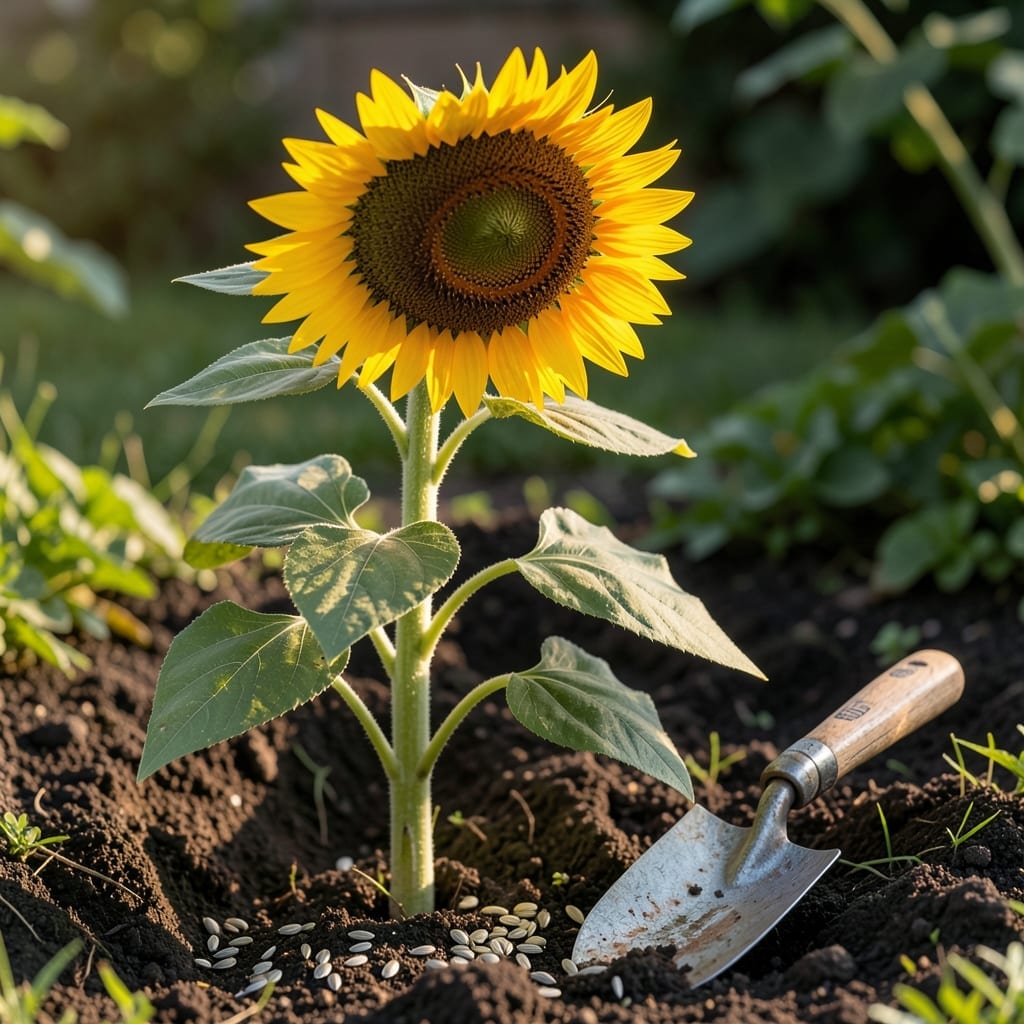
Timing is everything when planting Sunflowers in Cape Town—get it right, and you’ll be rewarded with vibrant, towering blooms that thrive in the region’s unique Mediterranean climate.
The fall season offers the perfect window to start your 🌻 seeds, ensuring they establish strong roots before the warmer months arrive.
With Cape Town’s 9b zone providing a long growing season, you have more flexibility than you might think. But knowing the exact timing makes all the difference.
I’ll walk you through the best months to plant and how to set your Sunflowers up for success from the very beginning.
Cape Town’s Mediterranean climate gives us a unique advantage for growing sunflowers. The mild winters and warm summers create ideal conditions for these cheerful blooms to thrive. I’ve found that timing your planting right is the key to success.
For the best results, aim to plant your sunflower seeds from September to November. This window allows them to establish strong roots before the hot summer months, ensuring robust growth and vibrant blooms.
| Season | Optimal Months | Notes |
|---|---|---|
| Spring | August | Early start possible |
| Fall | September-November | Best planting window |
| Summer | December | Late planting possible |
The coastal areas of Cape Town tend to be cooler, so you might want to plant a bit later, around October, to avoid the cooler spring temperatures. Inland areas, which are warmer, can handle earlier planting in September.
If you’re growing dwarf varieties, you can extend the planting window slightly. These smaller sunflowers mature faster and can handle the cooler temperatures of early spring or late fall better than their taller counterparts.
Remember that sunflowers need full sun to thrive. In Cape Town, this means at least 6 hours of direct sunlight daily. Choose a spot in your garden that gets plenty of morning and afternoon sun.
The region’s rainfall pattern also plays a role. Cape Town’s winter rainfall means the soil is often moist in spring, which is perfect for sunflower seeds. However, ensure your soil has good drainage to prevent waterlogging.
For early blooms, start your seeds indoors in August and transplant them outside once the soil has warmed up. This can give you a head start on the growing season, especially in cooler coastal areas.
If you miss the ideal window, don’t worry. Sunflowers are quite forgiving, and you can still plant as late as December in many parts of Cape Town. Just be prepared to provide extra water during the hotter months.
Finally, consider the microclimate of your specific garden. Factors like wind exposure, soil type, and nearby structures can all affect the best planting time. When in doubt, observe your garden’s conditions and adjust accordingly.
With the right timing, you’ll be rewarded with stunning sunflowers that brighten up your garden and attract pollinators 🌻
Cape Town’s Mediterranean climate means your soil prep is key to Sunflower success. I always start by testing the pH level—aim for 6.0 to 7.5 for optimal growth. 🌱
Add plenty of organic compost to improve drainage, as Sunflowers hate waterlogged roots. A sandy loam mix works best in this region’s dry summers. 🌿
Sunflower Soil Prep & Variety Tips
For Cape Town’s coastal areas, I recommend dwarf Sunflowers like ‘Teddy Bear’ or ‘Sunspot’. These handle windy conditions better than taller varieties. ☀️
Inland gardeners can opt for standard Sunflowers like ‘Autumn Beauty’ or ‘Moulin Rouge’. These thrive in the warmer microclimates away from the coast.
Don’t forget to mulch heavily to retain moisture during the dry summer months. A 2-inch layer of organic mulch works wonders.
Finally, water deeply after planting to help seeds settle. Sunflowers are drought-tolerant once established, but consistent moisture is crucial early on. 💧