
Beautiful Plants For Your Interior
Beautiful Plants For Your Interior
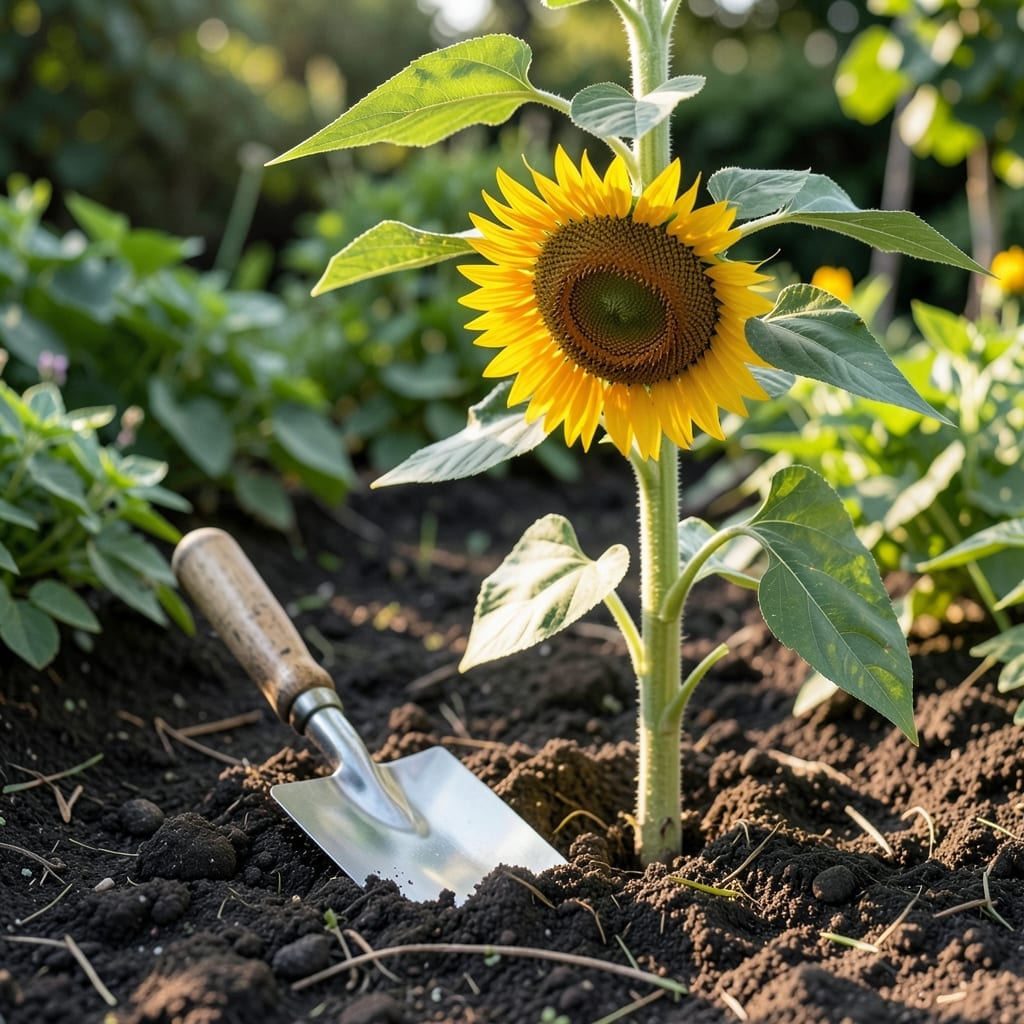
Timing is everything when it comes to planting sunflower seeds outside. Plant too early, and frost can wipe out your seedlings. Wait too long, and you might miss the perfect growing window entirely.
For the 🌻 Sunflower, getting it right means the difference between a vibrant garden and a disappointing one. In Zone 6, the sweet spot is typically between April and May, after the last frost has passed.
I’ve learned that soil temperature is just as important as the calendar. Aim for at least 55-60°F to give those seeds the best start.
Discover how to align your planting schedule with nature’s rhythm for sunflowers that thrive. Let’s break it down step by step.
Timing your sunflower seed planting perfectly means understanding your USDA hardiness zone and local conditions. In most areas, the optimal window falls after the last spring frost when soil warms to 55-60°F. 🌻
For warmer zones like 7-11, you can plant as early as March. Cooler zones (3-6) should wait until April or May to avoid frost damage to tender seedlings.
| USDA Zone | Planting Window | Soil Temp | Frost Consideration |
|---|---|---|---|
| 3-4 | May-June | 60°F+ | After last frost |
| 5-6 | April-May | 55-60°F | Mid-spring |
| 7-8 | March-April | 55°F+ | Early spring |
| 9-11 | Feb-March | 50°F+ | Late winter |
I always check my local frost dates using the USDA Plant Hardiness Zone Map. For zone 6, where I garden, the last frost is typically April 15, so I aim to plant 2-3 weeks after that date.
The soil temperature is just as crucial as air temperature. Use a soil thermometer to confirm it’s consistently above 55°F at a 1-inch depth before planting. Cold soil can delay germination or cause rot.
For giant sunflower varieties, start earlier in the season to give them enough time to mature. Dwarf varieties can be planted a bit later since they have shorter growing seasons. Always follow the seed packet instructions for specific timing.
In regions with short growing seasons, consider starting seeds indoors 2-3 weeks before the last frost. This gives them a head start but requires careful hardening off before transplanting outside.
Remember that microclimates in your yard can affect timing. South-facing slopes or urban areas warm up faster, while low-lying spots may stay cooler longer. Observe your garden’s specific conditions.
For successive blooms, I plant a new batch of seeds every 2-3 weeks until midsummer. This extends the sunflower season and ensures continuous color in my garden.
Finally, watch the 10-day forecast before planting. If a late frost is predicted, hold off until temperatures stabilize. It’s better to wait than risk losing your seedlings to an unexpected cold snap. 🌱
I always start by choosing a sunny spot with at least 6-8 hours of direct light. Sunflowers are sun-worshippers, and they’ll reward you with taller stems and bigger blooms when they get enough light.
Next, I test the soil temperature with a simple thermometer. Sunflower seeds need 55-60°F soil to germinate properly, so I never plant until the earth has warmed up.
I’ve found that well-draining soil is key—sunflowers hate soggy roots. If your soil is heavy clay, consider amending it with sand or organic matter to improve drainage.
For seed spacing, I recommend 6 inches apart initially, then thinning to 12-24 inches once the seedlings are a few inches tall. This gives them room to grow without competing for nutrients.
After planting, I water deeply but avoid soaking the soil. Sunflowers are drought-tolerant once established, but they need consistent moisture during germination. A gentle sprinkle daily keeps the soil moist without waterlogging.
Finally, I always mulch around the base to retain moisture and suppress weeds. A 2-3 inch layer of straw or shredded leaves works perfectly.
With these steps, my sunflowers always start strong and grow into vibrant, towering beauties by summer ☀️🌻