
Beautiful Plants For Your Interior
Beautiful Plants For Your Interior
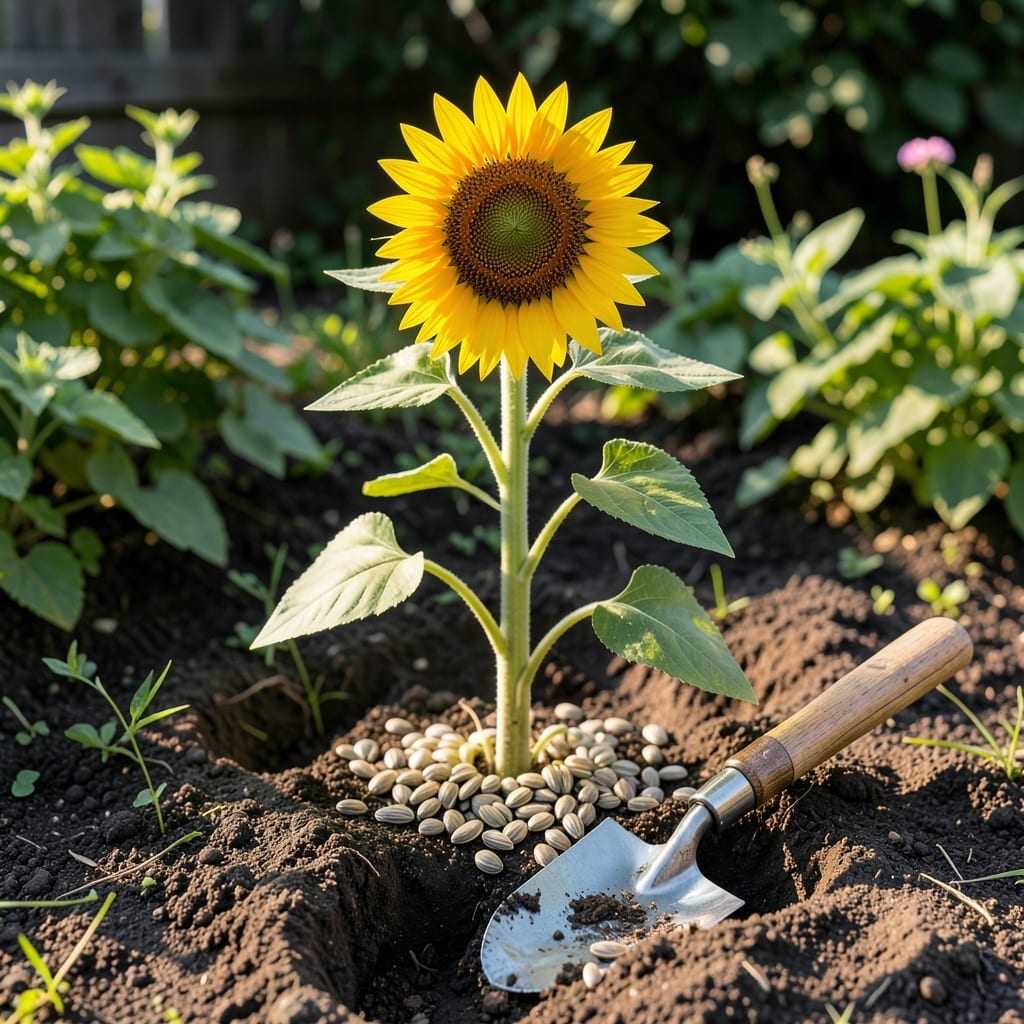
Timing is everything when planting Sunflower seeds in Virginia, where the Piedmont and Tidewater regions demand different approaches.
Get it right, and you’ll enjoy towering 🌻 blooms by summer. Get it wrong, and your seeds might rot or struggle to sprout.
Virginia’s varied climate means what works in one area may not in another. I’ll show you how to navigate these regional differences for best results.
Discover the precise windows and techniques to ensure your sunflowers thrive, no matter where you are in the state.
Virginia’s diverse climate means sunflower planting times vary by region. In Tidewater, the coastal warmth allows earlier sowing, while the Piedmont’s colder springs demand patience. Timing it right ensures strong, healthy blooms.
I’ve found that soil temperature is the key factor—wait until it reaches 55-60°F at a 1-inch depth. This usually aligns with your last frost date, but microclimates can shift the window by weeks. 🌱
| Region | Planting Window | USDA Zone | Last Frost Date | Soil Prep |
|---|---|---|---|---|
| Tidewater | Late March – Early April | 8a | March 15-30 | Amend sandy soil with compost |
| Piedmont | Mid-April – Early May | 7a-7b | April 15-20 | Loosen clay soil, add organic matter |
In Tidewater, the milder winters and earlier springs let me start seeds 2-3 weeks sooner than in the Piedmont. I always check the 10-day forecast for late frosts, though—Virginia weather can be unpredictable!
The Piedmont region’s clay-heavy soil stays cold longer, so I wait until mid-April or even early May. Planting too early here often leads to rotten seeds or stunted growth. Patience pays off. 🌿
For both regions, I recommend direct sowing since sunflowers dislike transplanting. Choose a sunny spot with at least 6-8 hours of daily light. If you’re in USDA Zone 6a, lean toward the later end of the window.
I’ve learned that soil thermometers are worth the investment. They take the guesswork out of planting times. When the soil hits 55°F, it’s go-time—your seeds will germinate in 7-10 days under ideal conditions.
Don’t forget about microclimates in your yard. A south-facing slope or urban heat island might warm up faster. I’ve had success planting near paved areas that retain heat, but avoid low-lying spots where cold air pools.
If you’re eager to start earlier, cold frames or row covers can help. I’ve used them in the Piedmont to get a head start, but they’re rarely needed in the milder Tidewater climate. Just remove them once temperatures rise. ☀️
Finally, remember that sunflower varieties matter. Dwarf types (like ‘Teddy Bear’) can handle slightly cooler soil, while giant varieties (like ‘Mammoth’) need warmer conditions. Always check your seed packet for specific advice.
Preparing your Virginia soil properly is the secret to vibrant sunflowers. Whether you’re in the clay-heavy Piedmont or the sandy Tidewater, soil prep makes all the difference. I always start with a soil test to check pH levels.
Sunflowers thrive in pH 6.0-7.5, so adjust with lime or sulfur if needed. In Piedmont regions, I mix in compost to loosen the dense clay. For Tidewater’s sandy soil, organic matter helps retain moisture 🌱
Drainage is critical—sunflowers hate soggy roots. I create raised beds in low-lying areas to improve water flow. A light fertilizer (5-10-10) worked into the top 6 inches gives seeds a strong start.
In Tidewater, where humidity is high, I’m careful not to over-amend. Too much organic matter can retain too much moisture, leading to fungal issues. Balance is key for healthy sunflowers in Virginia’s varied climates.
For best results, prepare your soil 2-3 weeks before planting. This gives amendments time to integrate. I’ve found this simple step doubles my success rate with sunflower germination.
Remember, sunflowers are heavy feeders. Plan to fertilize again when plants are 12 inches tall and just before blooming. This keeps them growing strong through Virginia’s hot summers ☀️